What Materials Can a Phone Case Printing Machine Print On
Phone case printing materials for B2B. Specs like TPU ≥42 dyn/cm & PC ≤38° contact angle ensure profit. Reliable wh...

I'm the COO of GOBEAR. We help entrepreneurs, mall operators, 3C mobile stores, event venues, and campus retailers tap into high-margin, low-maintenance vending models.
Vending machine marketing is no longer about placing machines in random high-traffic spots. Performance depends on how well operators connect audience demand, product selection, and location strategy into a single system. Without this structure, even good locations can produce unstable returns.
A clear marketing framework helps operators improve conversion rates, reduce inventory waste, and scale more predictably across multiple sites. The following strategies break down how this system is built step by step.

Understanding the target audience is the first step in building a vending machine strategy that works. User behavior changes based on background, location, and immediate needs.
| Segment | Behavior Pattern | Product Preference |
|---|---|---|
| Age | Speed vs simplicity | Digital vs simple UI |
| Income | Price sensitivity | Premium vs essential |
| Lifestyle | Routine-driven | Occasion-based demand |
Purchasing behavior varies by customer profile, making demographic segmentation essential for product positioning and pricing strategy.
User demand shifts significantly across environments, meaning location context directly influences product preference and purchase behavior.
Product performance depends on how accurately offerings match real consumption needs in each location, rather than general demand assumptions.
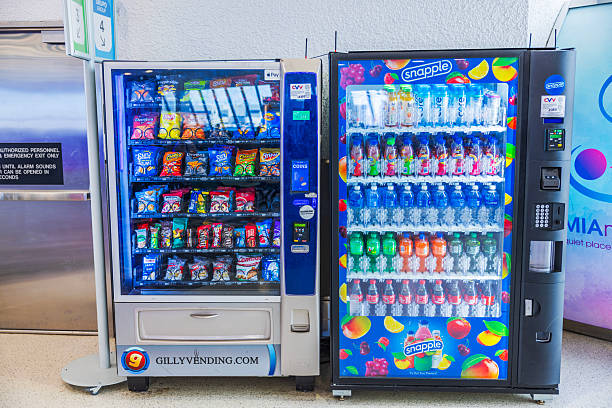
Focus on selecting locations based on traffic quality and user behavior, which have a greater impact on long-term performance than raw foot traffic alone.
Location value is primarily determined by the quality of exposure and movement patterns, not just the volume of foot traffic
| Location Type | Visibility | Dwell Time | Conversion Strength |
|---|---|---|---|
| Entrance | Very High | Low | Impulse-driven |
| Corridor | Medium | Medium | Passive exposure |
| Food Court | Medium | High | Strong conversion |
Purchase behavior is driven by user intent, which varies depending on whether the environment encourages impulse or goal-driven decisions.
In impulse-driven locations such as malls or transit hubs, users usually make quick decisions with minimal consideration. In intent-driven environments like gyms or specialty stores, users are more focused and selective because they already have a clear need. Some locations sit between these two patterns, where user behavior shifts depending on timing and context.
Location performance is defined by how effectively physical visibility and user dwell time translate into actual conversion opportunities.
Dwell time is one of the strongest indicators, since longer staying periods increase the likelihood of engagement. Visibility also plays a key role, especially when machines are placed directly in the natural line of sight. These factors together influence how efficiently a location can convert traffic into actual sales.
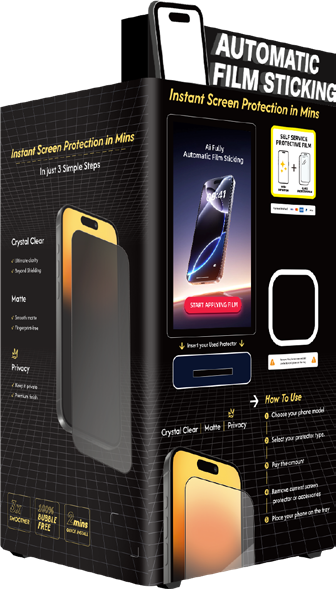
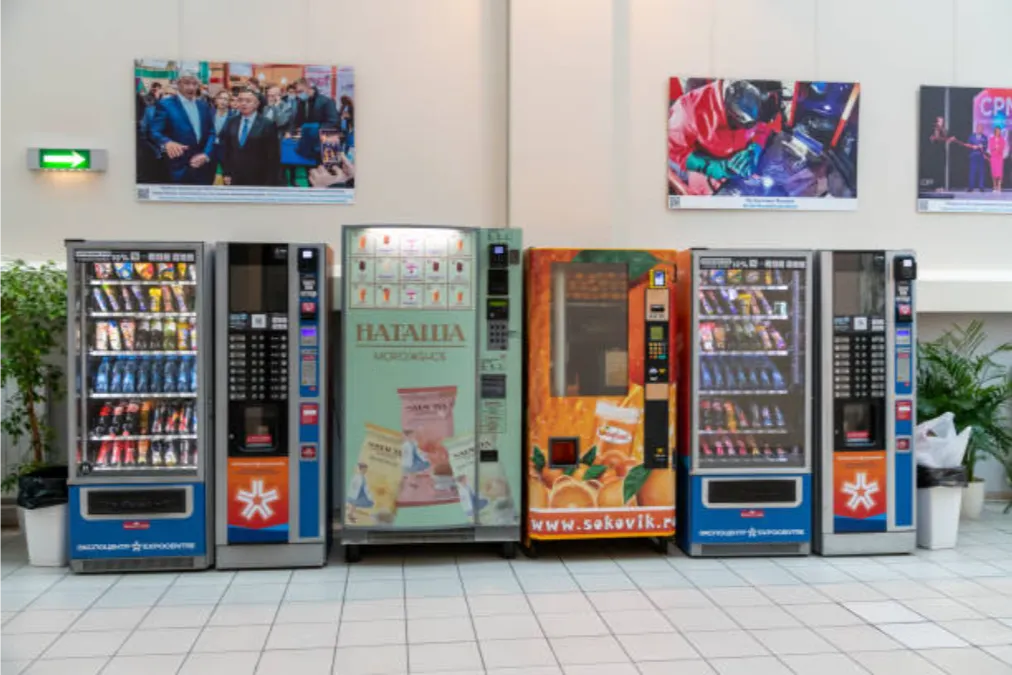
Align product selection with each environment to balance sales volume and profit margin across different location types.
Sustainable profitability depends on balancing high-frequency products with higher-margin items to stabilize revenue across different traffic conditions.
Fast-moving products such as snacks and drinks help maintain consistent daily sales, especially in high-traffic environments. These items ensure steady turnover and reduce the risk of idle inventory. At the same time, higher-margin products contribute more profit per transaction and are more effective in locations with stronger purchasing power. The balance between these two types of products determines overall profitability more than any single item category.
Inventory performance is driven by how closely product selection reflects both audience type and traffic intensity in each location.
High-traffic areas require a broader selection of fast-moving products to avoid stockouts and capture more frequent purchases. In contrast, lower-traffic locations benefit from a more focused inventory that prioritizes higher-margin or niche items. Audience type also matters, since office workers, gym users, and transit passengers all have different consumption patterns. Matching inventory to these patterns improves conversion efficiency without increasing operational complexity.
Product demand changes over time due to usage patterns, time-of-day behavior, and seasonal shifts, requiring continuous adjustment of stock strategy.
Certain products perform better during specific times of the day, such as coffee and snacks in the morning or hydration products in the afternoon. Seasonal changes also affect demand, especially for temperature-sensitive items like cold drinks or comfort snacks. Over time, user habits may shift due to changes in work schedules or lifestyle trends, which means inventory needs to be reviewed and adjusted regularly to maintain consistent performance.

Improve conversion by optimizing machine visibility and simplifying user interaction after installation.
Onsite performance is strongly influenced by placement visibility, which determines how frequently users notice and engage with the machine.
Entrances tend to generate the highest exposure because every visitor passes through them at the beginning of their visit. Corridors provide repeated visibility as people move between different areas, which increases passive awareness over time. Food courts and resting areas usually create the strongest conversion opportunities because users stay longer and are more likely to notice and interact with nearby machines.
User interaction is affected by how clearly and attractively the machine communicates its products in a visually competitive environment.
Lighting helps the machine stand out in busy environments where visual competition is high. Screen layout also matters because clear and organized displays make it easier for users to understand product options quickly. A well-structured product display reduces hesitation and encourages faster decision-making, especially in impulse-driven environments.
Conversion rate depends on reducing decision friction through pricing clarity and simplified purchase cues that support fast decision-making.
Simple and transparent pricing helps users understand value immediately without needing comparison. Clear product offers reduce uncertainty and make selection faster. When users do not need to spend time evaluating options, they are more likely to complete a spontaneous purchase, especially in high-traffic or time-sensitive environments.
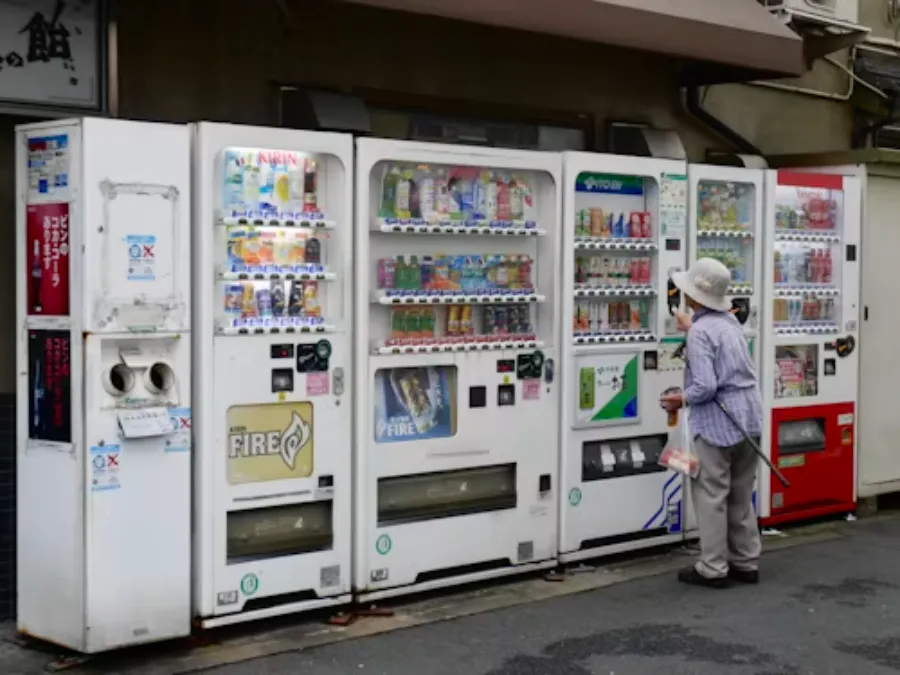
Increase machine usage by combining local search visibility, geo-targeted advertising, and partner-driven exposure.
| Channel | Intent Level | Strength |
|---|---|---|
| Local SEO | High intent | Passive conversion |
| Geo Ads | Medium | Controlled reach |
| Partner promo | Trust-based | Internal audience |
Machine discoverability relies on local search visibility, which captures users with immediate intent in nearby areas.
Google Maps and local SEO play a key role in increasing visibility for users searching for nearby convenience options. When a machine or its location is properly indexed, it becomes easier for nearby customers to discover it during high-intent moments, such as searching for snacks, drinks, or quick purchases in the area. This makes local search a passive but highly effective traffic source.
Traffic generation improves when outreach is geographically constrained, ensuring ads reach users within realistic visiting distance.
Instead of targeting broad audiences, these campaigns focus on users within a specific radius of the machine location. This ensures that traffic generated from ads is more likely to convert because users are already close enough to visit. Over time, this helps stabilize traffic volume, especially in locations that depend on repeat exposure or seasonal demand.
External visibility increases when property owners actively promote vending machines through their own internal communication channels.
Many locations already have built-in audiences, such as employees, members, or tenants. When property owners promote the vending machine through internal channels like notices, apps, or signage, it creates additional awareness without extra advertising cost. This type of exposure is particularly effective because it comes from a trusted source within the environment.

Track performance and standardize operations to build a scalable vending machine network.
| Metric | Purpose | Impact |
|---|---|---|
| Transactions | Demand strength | Core KPI |
| AOV | Revenue quality | Profit driver |
| Revenue | Total output | Scaling indicator |
Operational efficiency is measured through structured performance indicators that reveal both revenue strength and location quality.
Key indicators such as transaction volume, average order value, and total revenue provide a clear picture of machine efficiency. These metrics help identify strong locations, weak placements, and opportunities for improvement. Without consistent tracking, it becomes difficult to understand what is driving performance differences across machines.
Real-time data tracking improves decision-making by providing visibility into inventory levels, sales patterns, and machine status.
Live data on inventory levels, sales activity, and system status helps reduce stockouts and prevent wasted inventory. It also improves decision-making for restocking and product adjustments, especially in multi-location operations. Over time, this data creates a more accurate understanding of user behavior patterns and demand trends.
Scalable growth depends on consistent operational systems that ensure predictable performance across multiple machine deployments.
Standardized processes for inventory management, machine setup, and pricing help ensure that each new location performs in a predictable way. When operations are consistent, it becomes easier to expand into new sites while maintaining control over costs and performance. This is what turns vending machines from individual units into a scalable network.
Place your vending machine in high-traffic areas like offices, schools, and urban centers to maximize visibility. Pitch the machine to business owners as a free, zero-hassle amenity for their staff. Optimize your product selection by balancing high-margin favorites with healthy, sustainable options. Integrate smart technology, such as touchless payments and AI-driven recommendations, to create an engaging user experience that drives repeat visits.
Yes, loyalty programs actively increase customer spending and repeat purchases. Industry data shows members spend significantly more per visit and return more frequently than non-members. Because vending machines lack in-person staff, operators get the best results by integrating reward programs into mobile apps. Offer points, digital vouchers, or tiered status levels to build buying habits. Personalizing these offers based on purchase history directly reduces customer churn.
Using digital ads on vending machines effectively drives impulse buys and increases average basket sizes. Built-in screens capture customer attention during the brief dwell time required for product selection and payment. Display dynamic promotions, run interactive QR code campaigns, and monetize the screens by hosting third-party advertisements. Upgrading machines with digital displays proves highly profitable in high-footfall environments like corporate offices and transit hubs.
Vending machine marketing only works when audience, product, and location are properly aligned. When these elements are structured as a system instead of isolated decisions, operators can achieve more stable performance and a clearer path to ROI.
If you are looking to expand into automated retail, GOBEAR provides factory-direct vending solutions designed for scalable deployment and long-term growth. Contact us to explore how our systems can support your next-stage vending expansion.
Share your business vision with us. Our automated retail experts will craft a tailored strategy and a comprehensive profitability report to unlock your next revenue stream.