What Phone Accessories Sell Best in Australia
Discover top categories and high-margin phone products that sells best in Australia. Ideal for wholesale, dealers, and p...

I'm the COO of GOBEAR. We help entrepreneurs, mall operators, 3C mobile stores, event venues, and campus retailers tap into high-margin, low-maintenance vending models.
Shopping malls are well-suited for screen protector vending machines because they combine consistent foot traffic with strong impulse buying conditions. The longer dwell time and structured visitor flow naturally increase exposure to retail touchpoints, improving the likelihood of spontaneous purchases.
At the same time, heavy mobile usage during shopping makes screen damage more noticeable, creating immediate demand for fast, self-service protection solutions. This alignment between behavior and environment is what makes malls a high-performance location for vending deployments.
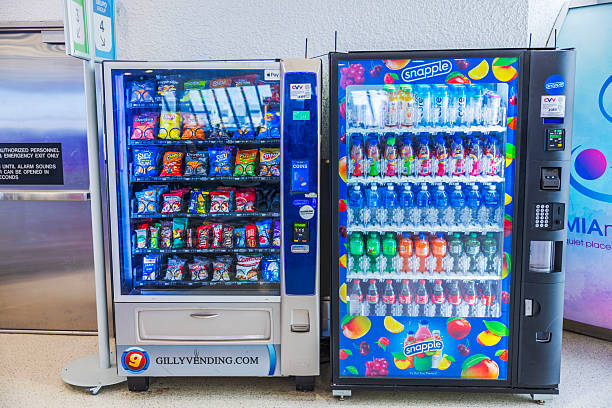
Malls provide a controlled retail environment where high traffic volume, predictable movement, and consumer openness to browsing create strong conditions for vending-based retail success.
Mall environments are designed around structured visitor circulation, which naturally increases repeated exposure to vending machines. Unlike open urban spaces, customer movement here is constrained by layout design, which makes traffic patterns highly predictable for operators.
These patterns make malls significantly more predictable compared to random foot traffic environments, which improves placement efficiency and conversion stability.
Shopping behavior in malls is largely driven by leisure intent rather than necessity. This reduces psychological resistance to low-cost purchases and increases the likelihood of spontaneous buying decisions, especially for convenience-based products.
This creates a natural environment where vending machines can capture unplanned but high-frequency transactions.
Mobile devices are constantly in use throughout the shopping experience, which directly influences demand for screen protection products. The combination of frequent handling and continuous interaction makes device condition highly visible during mall visits.
This creates immediate purchase intent that aligns perfectly with self-service vending solutions.

Revenue performance is primarily driven by location quality, transaction volume, and pricing efficiency, with stable returns in well-positioned mall environments.
Revenue varies significantly depending on mall tier and placement visibility. The key driver is not product difference, but exposure quality and customer access frequency.
Location selection remains the most important factor in overall revenue outcomes.
Daily transaction frequency is the most accurate indicator of machine performance. Because pricing is fixed and standardized, scalability depends entirely on user interaction volume.
This makes traffic quality more important than individual sale value.
A simple pricing structure combined with high-margin unit economics ensures consistent profitability across different mall environments. Payment efficiency further enhances conversion performance.
This combination ensures stable revenue capture in high-traffic environments.
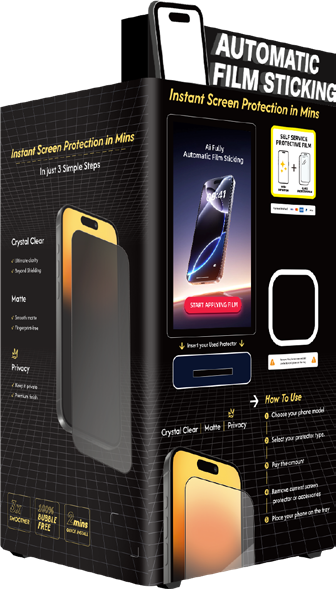
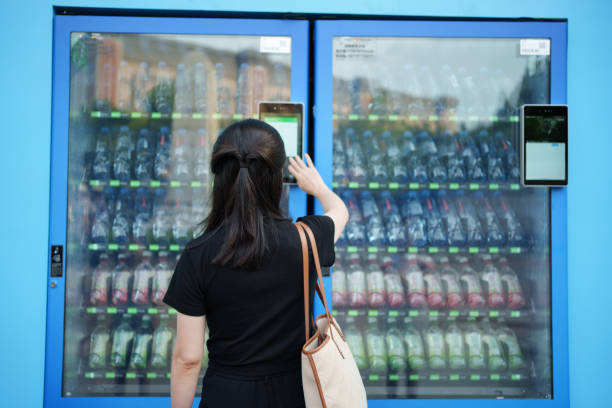
Mall performance depends heavily on how visitors move, stop, and interact within different zones. The right placement strategy focuses on balancing visibility, dwell time, and purchase intent.
Entrance, exit points, and corridor bottlenecks are high-exposure areas where almost every visitor passes through. These locations create repeated visibility and strong impression frequency.
These zones are most effective for consistent visibility and high foot traffic exposure.
Food courts and rest areas generate longer dwell time, which significantly increases the likelihood of interaction with vending machines. Visitors are seated, relaxed, and more attentive to their devices
These environments are strong drivers of impulse-based conversions.
Areas near anchor stores, especially electronics or technology retailers, attract visitors with higher purchase intent. These users are already in a decision-making mindset.
Although traffic volume may be lower than central corridors, conversion quality is typically higher.
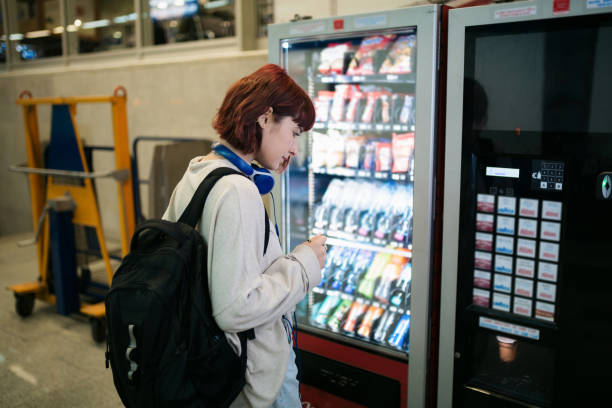
Stable performance in mall environments depends on system speed, reliability, hardware resilience, and remote control capability, ensuring machines can consistently handle high-frequency public usage.
Transaction speed directly impacts conversion rates, as mall customers operate in short attention windows and are unlikely to tolerate delays during impulse decisions. A streamlined interaction process reduces drop-off and increases completion probability.
This ensures the machine captures attention at the moment of intent without losing users due to operational delay.
System reliability is critical in mall environments where usage intensity fluctuates significantly throughout the day and peaks during weekends and seasonal shopping periods. Any downtime directly translates into lost revenue opportunities.
Stable system behavior ensures consistent revenue capture during the most profitable time windows.
Public mall deployment exposes machines to frequent physical interaction and environmental stress, requiring robust structural design to ensure long-term operational stability without constant supervision.
Durability directly reduces maintenance cost and supports scalable multi-location deployment.
Remote system management is essential for operating multiple machines across different malls, allowing operators to maintain performance visibility and respond quickly to operational issues.
This infrastructure enables scalable operations without proportional increases in manpower.

Mall deployment costs are determined by location quality, revenue-sharing expectations, and additional operational obligations, all of which directly influence final profitability and ROI stability.
Rental costs vary based on visibility, foot traffic intensity, and proximity to high-performing retail zones. Standard placements remain relatively affordable, while premium zones require significantly higher fixed commitments.
Cost variation reflects direct correlation between exposure quality and expected revenue output.
Many malls prefer revenue-sharing models that align rental income with actual machine performance, especially in high-traffic environments where revenue potential is more dynamic.
This model reduces fixed cost pressure but introduces variability into monthly net profit.
Hybrid agreements combine fixed rent with revenue-sharing components, creating a balanced structure that distributes risk between operators and mall management.
This structure is often preferred in mid-to-high traffic locations where both parties seek predictable returns with performance upside.
Beyond leasing fees, operators must account for regulatory, maintenance, and logistical expenses that support long-term machine operation across multiple mall environments.
These costs, while secondary to rent, directly affect overall margin efficiency and scalability.

Multi-mall expansion relies on centralized control, standardized operations, and data-driven decision-making to ensure machines can scale efficiently without increasing operational complexity at the same rate.
Managing multiple machines across different malls requires unified visibility to maintain performance consistency and operational control. Centralized systems reduce fragmentation and improve response efficiency.
This structure ensures operators can manage large fleets without relying on site-level supervision.
Operational standardization reduces variability between locations and improves overall efficiency as the network scales across different malls and regions.
Consistency across locations reduces training cost and improves system reliability at scale.
Expansion decisions are guided by measurable performance data rather than assumptions, allowing operators to prioritize high-return locations and avoid underperforming placements.
This approach significantly reduces deployment risk during scaling phases.
Automation and remote management systems allow vending networks to scale without proportional increases in manpower, improving long-term profitability.
This model enables sustainable growth while maintaining controlled operational costs.
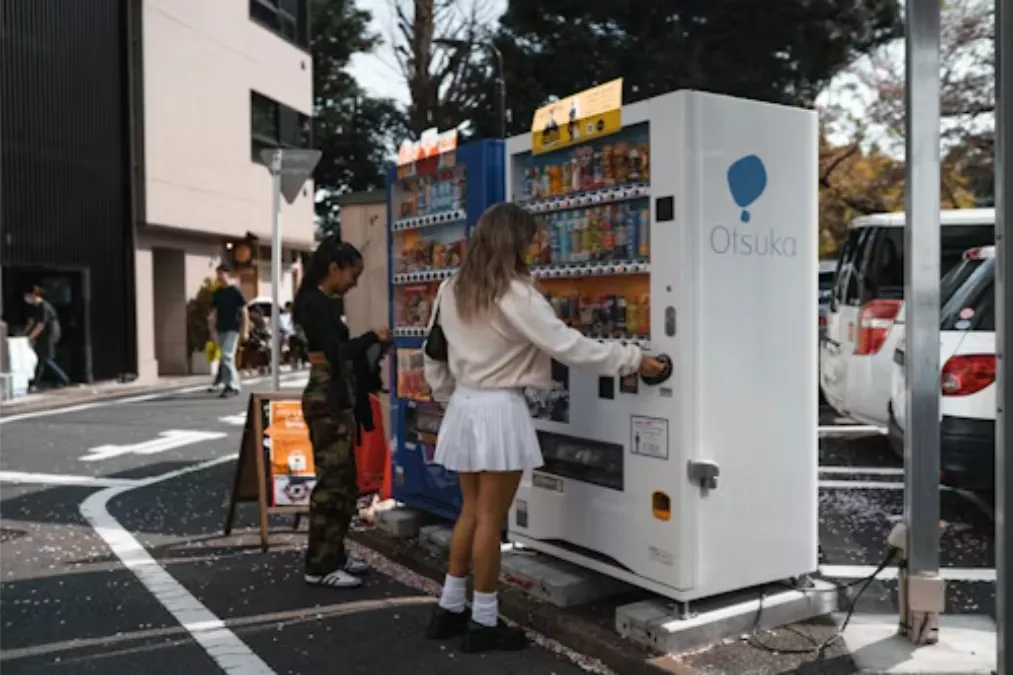
Successful mall deployment depends on positioning vending machines as low-risk, automated retail assets while securing stable leasing terms that support long-term scalability and predictable revenue performance.
Mall operators focus on stability, operational simplicity, and consistent performance when evaluating new retail partners. A strong leasing proposal must reduce perceived risk while highlighting predictable value contribution.
This approach improves acceptance rates and speeds up leasing negotiations.
Short-term pilot programs are widely used to validate performance before committing to long-term contracts. They help both parties evaluate real-world results with minimal risk.
Successful pilots often lead to improved placement terms and extended contracts.
Exclusivity agreements and scalable operational systems are key to protecting revenue and enabling expansion across multiple mall locations.
This structure supports long-term growth while maintaining operational efficiency.
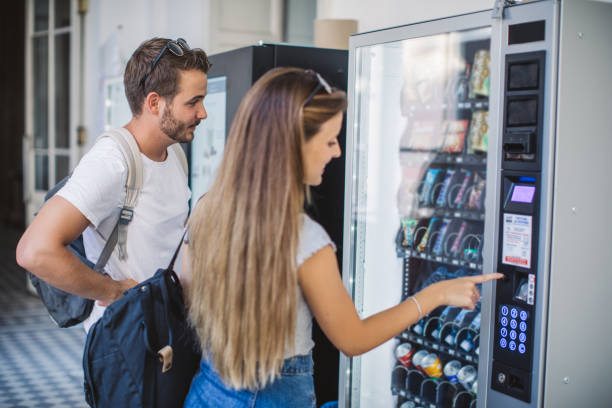
Mall-based screen protector vending machines achieve measurable ROI through predictable transaction volume, controlled cost structure, and high-margin unit economics under stable traffic conditions.
ROI is primarily driven by consistent daily transactions combined with location quality, which determines how quickly initial investment can be recovered across different mall tiers.
Revenue predictability makes payback periods relatively easy to model once placement category is defined.
Profitability is supported by a strong price-to-cost spread, allowing each transaction to maintain healthy margins even after accounting for mall commissions and operating expenses.
This structure ensures profitability remains resilient even under varying lease conditions.
ROI efficiency depends less on raw traffic volume and more on how effectively foot traffic is converted into completed transactions within high-intent zones.
Higher conversion efficiency directly improves overall ROI without changing product structure.
Payback periods vary significantly depending on mall category, placement quality, and daily transaction consistency.
This variability highlights the importance of site selection in overall investment performance.
Target high-traffic zones near natural decision points. Entrances, food courts, escalators, and central corridors work best. You want to place screen protector machines exactly where shoppers naturally pause. This captures existing foot flow and triggers impulse buys. Always prioritize the customer journey over easy electrical access. Keep machines in highly visible areas and avoid isolated corners.
Malls use flat monthly fees or revenue-share models. Flat fees typically run from $200 to $500, scaling with visibility and foot traffic. For revenue sharing, expect malls to take 10% to 25% of your total sales. Premium locations like entrances and food courts carry higher price tags. High-performing machines easily absorb these costs through sheer sales volume.
Expect malls to ask for 15% to 25% of your gross revenue. This premium rate directly reflects the massive foot traffic these environments deliver. Your final percentage relies on negotiation skills, traffic density, and whether you secure an exclusivity agreement. Even after paying these commissions, screen protector machines in malls regularly hit net profit margins of 40% to 70%.
Entrances and food courts dominate performance metrics. Entrances catch shoppers right as they arrive with a ready-to-buy mindset. Food courts capitalize on extended dwell times—people pull out their phones while eating or waiting, notice a cracked screen, and buy a protector. Machines in these high-traffic categories pull in $4,000 to $8,000 monthly. They easily outpace general corridors and small retail shops.
Set your baseline at 5,000 to 10,000 daily visitors. You need this volume to sustain viable conversion rates for impulse buys. Super-regional and open-air malls pulling over 10,000 daily visitors offer the highest profit potential. Indoor and regional malls hitting 5,000 to 8,000 visitors provide solid, moderate returns. Avoid strip centers with fewer than 5,000 daily visitors—they simply lack the raw traffic required for consistent profits.
Identify high-traffic malls and track down the retail leasing managers or tenant relations directors. Build a tight pitch focused on their benefits: a zero-cost amenity, a tiny physical footprint, and a reliable revenue share. Ask for a brief 15-minute meeting to demo the machine. Suggest a short-term pilot in a premium zone. This lets you prove the revenue model with minimal risk to the mall.
Mall-based screen protector vending machines perform best when deployment decisions are guided by placement quality, operational reliability, and scalable system design rather than isolated location factors. The strongest results consistently come from environments where traffic flow, dwell time, and leasing structure align with predictable conversion behavior.
For operators planning large-scale deployment, GOBEAR provides automated screen protector vending machines and case DIY solutions designed for fast installation, remote monitoring, and multi-mall fleet management.
Share your business vision with us. Our automated retail experts will craft a tailored strategy and a comprehensive profitability report to unlock your next revenue stream.