How Much Money Do I Need to Start a Phone Case Business in USA
Phone Case Business Startup Cost: Explore investment from $500 (POD) to $284K (retail). Get B2B cost models and rapid RO...

I'm the COO of GOBEAR. We help entrepreneurs, mall operators, 3C mobile stores, event venues, and campus retailers tap into high-margin, low-maintenance vending models.
University campuses and airports represent high-traffic, high-capture environments that are well suited for screen protector vending machines. These locations combine predictable foot traffic with strong mobile dependency, creating consistent demand for fast and convenient device protection solutions.
However, successful deployment goes beyond simply placing a machine in a busy area. Operators must also understand institutional regulations, access requirements, and operational constraints that directly affect profitability and scalability.
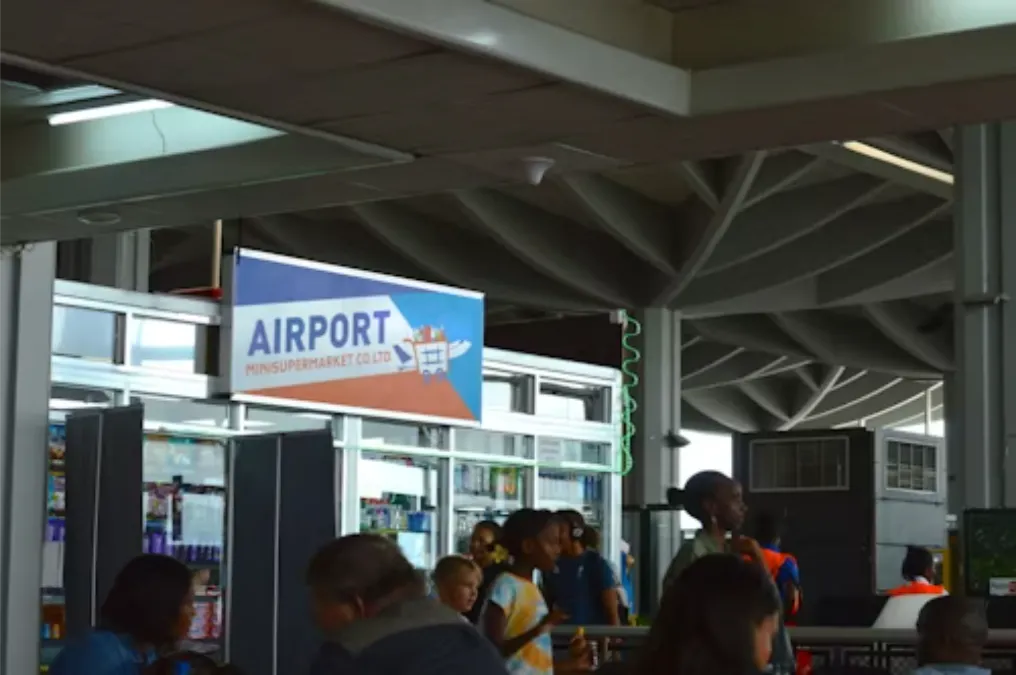
University campuses and airports generate strong demand for screen protector vending machines due to concentrated populations of mobile-dependent users operating within structured, high-density environments.
These environments create repeated exposure to physical retail points because user movement is organized, predictable, and highly centralized around key infrastructure nodes.
Campus and airport environments organize large populations into fixed movement routes, creating repeated exposure patterns throughout the day.
Users in both environments remain continuously engaged with smartphones for essential daily functions, increasing interaction with devices during idle time.
Both environments operate on predictable cycles that create repeated exposure opportunities rather than one-time traffic events.

Screen protector vending machines deployed in campuses and airports generate predictable revenue output driven by transaction volume, product pricing structure, and operating margin efficiency.
| Location Type | Daily Sales | Gross Monthly Revenue | Monthly Net Earnings |
|---|---|---|---|
| Campus Edge | 5 to 8 | $1.5K to $3K | $1K to $2.85K |
| Airport Terminals | 10 to 15 | $3K to $12K | $9K to $11.85K (Peak) |
Profitability is determined by the cost-to-sale spread and standardized retail pricing.
Revenue performance scales directly with machine deployment scale and venue category.
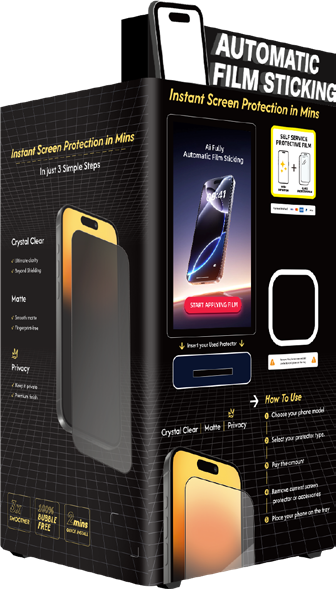
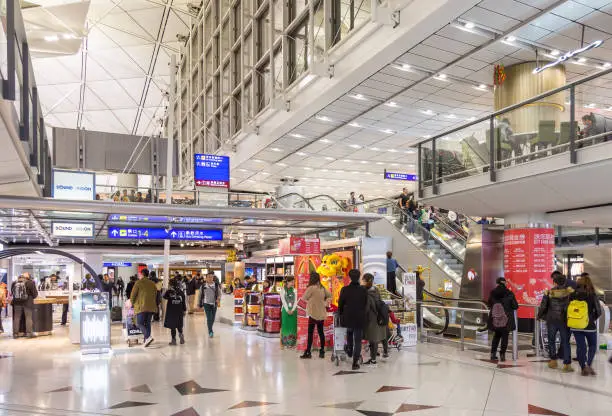
Successful deployment of screen protector vending machines in campuses and airports depends on consistent machine performance under continuous public usage. The focus is on system execution, physical reliability, and controlled interaction flow.
Machines must maintain fast and stable processing performance to ensure uninterrupted self-service operation.
Machine positioning is determined by physical movement routes and infrastructure layout within each venue.
Public deployment requires durable physical construction and continuous system monitoring to ensure stable operation.

Deploying screen protector vending machines in universities and airports requires formal approval processes and adherence to institutional operational standards. Access is strictly controlled to ensure safety, regulatory compliance, and proper use of shared commercial space.
University deployment requires coordination with internal administrative departments responsible for facility management, campus safety, and procurement oversight. Approval is granted only after verifying that installation aligns with campus operational standards and infrastructure policies.
Airport deployment follows stricter commercial and security-controlled frameworks governed by airport authorities. Operators must typically pass formal selection procedures and meet operational and security compliance requirements before installation approval.
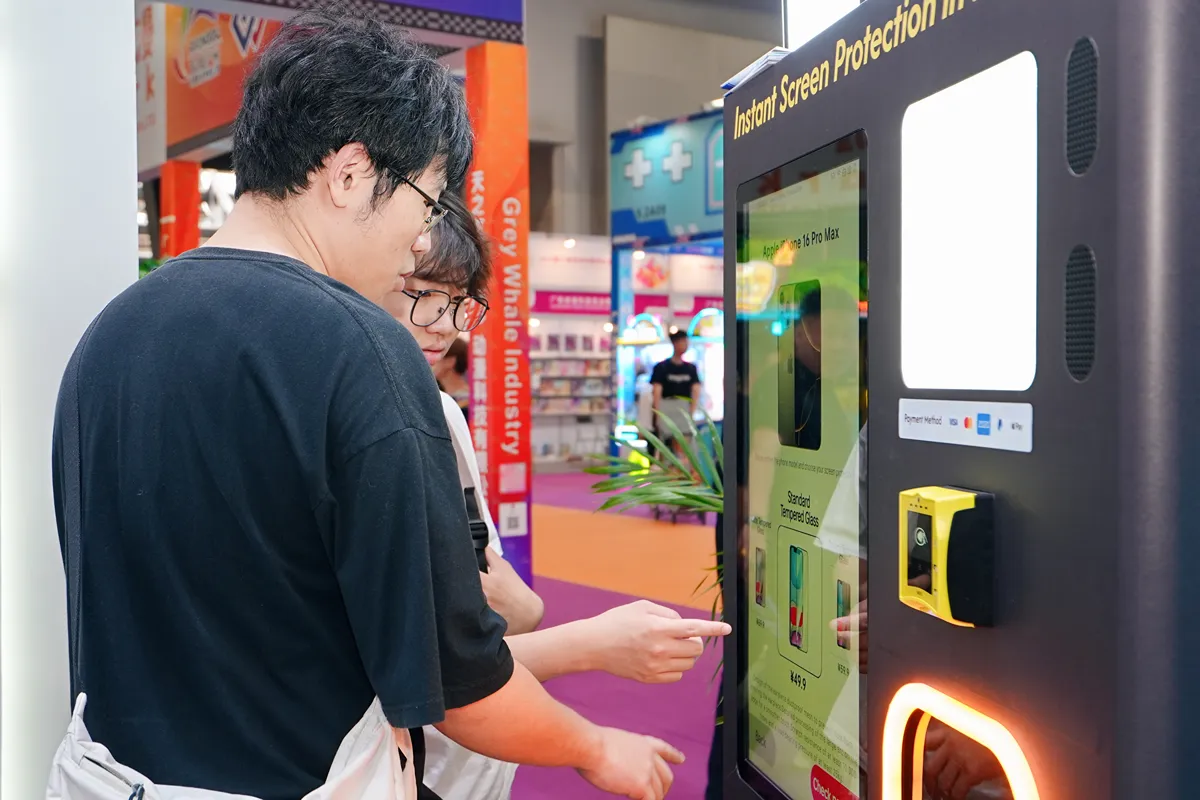
Scaling screen protector vending machines across universities and airports relies on centralized management systems and standardized operational frameworks. Once individual units demonstrate stable performance, expansion focuses on replication and system-level coordination rather than manual oversight.
Large-scale deployment is managed through cloud-based infrastructure that consolidates machine monitoring, reporting, and maintenance functions into a unified system.
Operational consistency across different venues ensures uniform performance and reduces variability between deployments.
Expansion is driven by replication of proven deployment models across comparable environments.
Operators usually secure commercial contracts or facility use agreements rather than standard business licenses. Airports require TSA compliance for products and ADA-compliant machines. Campus placements require coordination with university procurement to meet local fire codes and electrical safety standards.
Constant exposure to smartphone-dependent users drives volume. A machine needs just 10 to 15 daily transactions to reach profitability. Busy campus locations typically generate $2,000 to $5,000 monthly, while high-volume airport hubs can exceed $6,000 to $10,000 in monthly revenue.
Value-based pricing succeeds here because customers prioritize immediate convenience. Operators typically charge $15 to $30 for screen protector installations. Offering tiered options, like basic, premium, and privacy glass, along with bundled complementary accessories helps increase the average transaction value.
Yes, multi-service vending machine perform exceptionally well by catering to transit and study needs. Operators expand core vending offerings to include charging cables, protective cases, and wellness items, capturing more revenue from consumers dwelling in the area.
University campuses and airports offer strong opportunities for screen protector vending due to high traffic, predictable movement patterns, and strong mobile dependency. However, performance depends not only on location but also on compliance, placement strategy, and fast cashless transaction flow. To scale successfully, operators must align deployment with both institutional constraints and consistent user behavior in high-density environments.
GOBEAR provides Screen Protector Machine and Case DIY Machine designed for high-traffic, fully automated retail deployment. Partner with us to explore scalable solutions for campus and airport locations.
Share your business vision with us. Our automated retail experts will craft a tailored strategy and a comprehensive profitability report to unlock your next revenue stream.