How Much Money Do I Need to Start a Phone Case Business in USA
Phone Case Business Startup Cost: Explore investment from $500 (POD) to $284K (retail). Get B2B cost models and rapid RO...

I'm the COO of GOBEAR. We help entrepreneurs, mall operators, 3C mobile stores, event venues, and campus retailers tap into high-margin, low-maintenance vending models.
Enhancing your phone repair shop with a self-service vending machine eliminates the front-counter bottlenecks that trap technicians in manual data entry. Relying on staff to process routine diagnostics and payments restricts your daily repair volume and forces you to leave high-margin accessory sales on the table.
This analysis evaluates how hardware integration cuts average store wait times by 40 percent and automates impulse upsells. We detail CRM syncing methods and cross-sell strategies that reliably add $15 to $30 to standard baseline tickets, pushing your accessory profit margins past 75 percent.
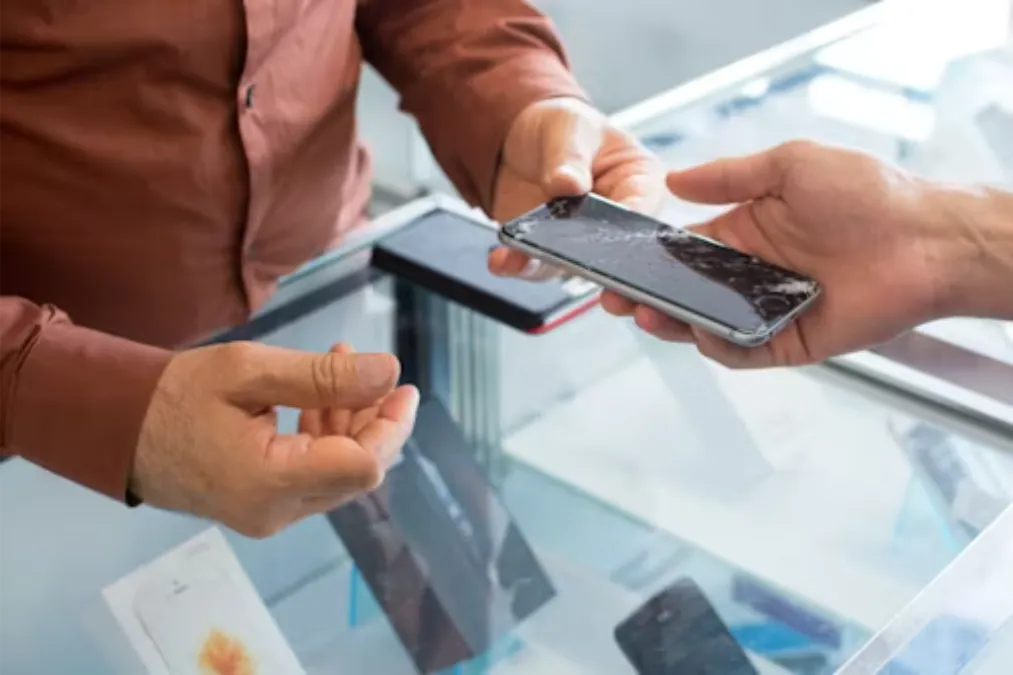
Connecting vending machines to your POS, CRM, inventory databases, and shop network automates workflows, prevents inventory errors, and speeds up technician routing and customer service operations.
You need your vending machines connected directly to your existing systems. This setup removes manual data entry, accelerates checkout, and improves repair workflow visibility.
When these systems sync in real time, you eliminate the risk of overselling. Technicians know exactly what parts sit in the back room, and customers get precise status updates without tying up your phone lines.
Physical hardware and cloud software must work together to manage diagnostics, customer check-ins, and remote operations efficiently.
Integrated workflows keep operations lean, reduce manual workload, and help repair shops scale more efficiently.
Vending machines transform baseline repair tickets by capturing high-margin impulse buys and on-demand accessory sales, increasing transaction values without requiring additional floor staff.
| Strategy | Baseline Ticket | Boosted Ticket | Margin Gain |
|---|---|---|---|
| Impulse Add-Ons (Protectors/Chargers) | $85–$150 | +$15–$30 | 75–90% |
| On-Demand 3D Printed Cases | $15 | $45+ | 90–95% |
Customers waiting for device fixes represent a highly profitable captive audience. Vending machines actively prompt these users to purchase relevant bundles, such as screen protectors and chargers, right when they think about device safety.
This automated upselling turns a single-purpose maintenance visit into a multi-item transaction. You maximize the revenue from foot traffic you already own.
Traditional accessory retail ties up capital in dead stock and outdated phone models. Vending machines equipped with on-demand production systems bypass this issue entirely by creating custom items exactly when the customer requests them.
You eliminate the risk of unsold inventory. The vending machine handles the payment and the dispensing, adding pure-margin revenue directly to the bottom line.
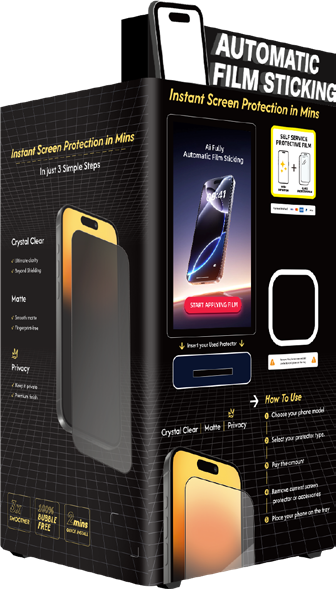
Vending machines turn single-service repair visits into multi-item transactions. Strategic accessory prompts at checkout increase profit margins by up to 30% without adding staff overhead.
Cross-selling through a self-service vending machine allows repair shops to maximize revenue from existing foot traffic. Converting a current customer costs far less than acquiring a new one. When you automate these sales prompts, the financial impact scales immediately across every transaction.
Timing and relevance dictate the success of your upsell strategy. A vending machine gives you complete control over when and how a customer sees an offer. The goal is to capture buyer intent right before they finalize the transaction.
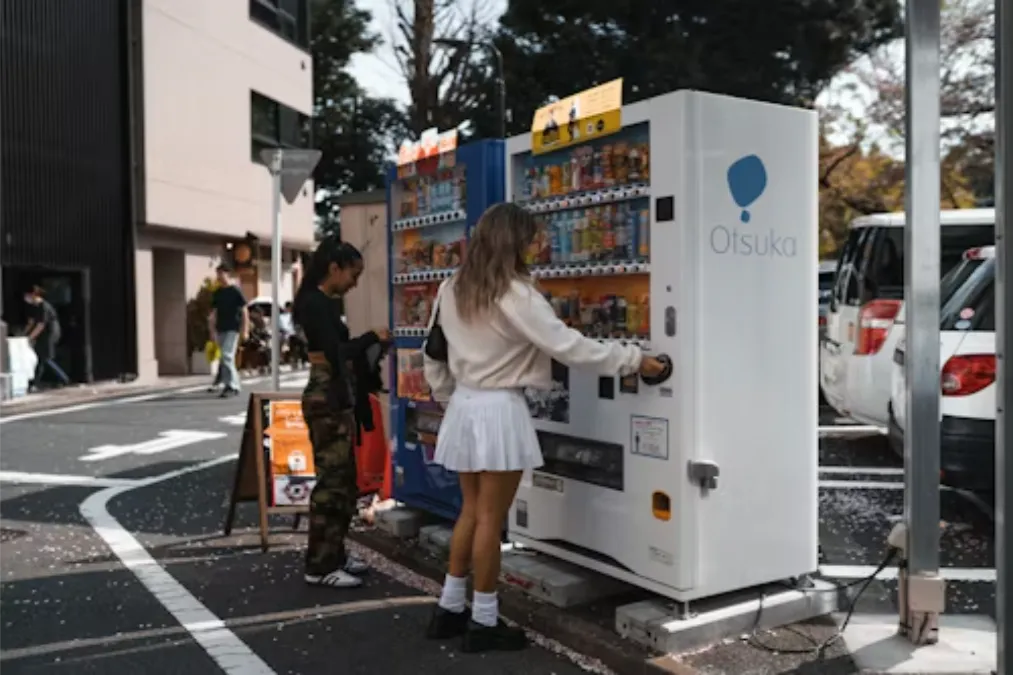
Self-service vending machines change how customers move through a phone repair shop by shifting them from waiting in line to completing key steps independently.
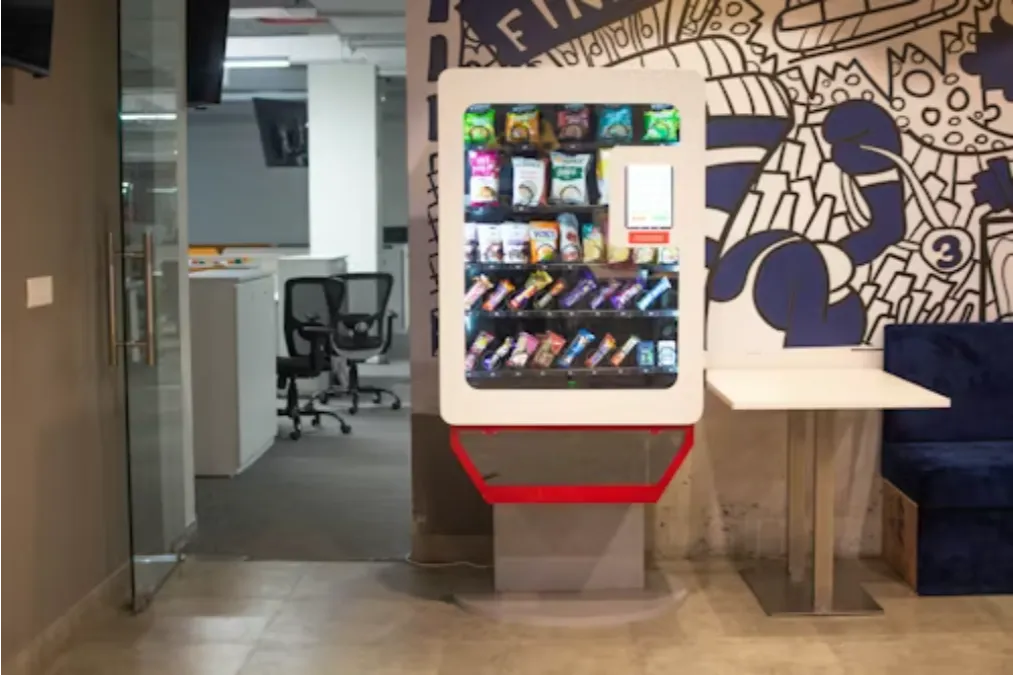
Proper site assessment and strategic vending machine placement ensure smooth installation without disrupting daily repair workflows or blocking critical customer paths.
You need a physical site survey before bringing any hardware into your shop. Measure the available floor space, map out accessibility zones, and check your door widths so the delivery team can actually get the unit inside. Vending machines require continuous power and a stable internet connection to process transactions and sync with your POS system. Map out your electrical outlets early and schedule an electrician if your shop needs dedicated wiring upgrades to handle the load.
Strategic placement directly impacts how often customers use the hardware. Position the units front and center near check-in counters or store entrances. This setup drives immediate self-service triage for walk-ins while keeping your main repair workflows completely unobstructed. You also need to plan the actual delivery route. Coordinate clear transport paths through your shop layout and use industrial moving vehicles for heavy freestanding units to prevent operational downtime during installation.
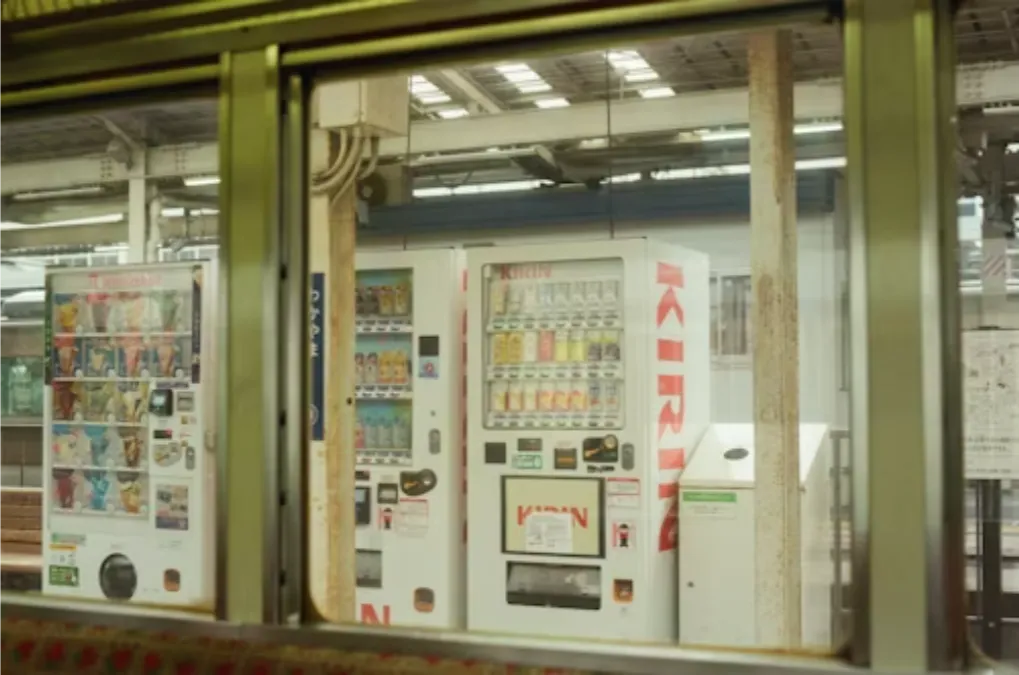
Repair shops can track vending machine performance using different attribution methods to understand which touchpoints actually drive sales. These models help operators measure how kiosks contribute to accessory purchases, repair conversions, and overall ticket value.
Single-touch tracking assigns revenue to one key interaction, making it useful for measuring direct conversions from vending machines.
Multi-touch tracking evaluates the full customer journey, showing how different interactions contribute to the final purchase decision.
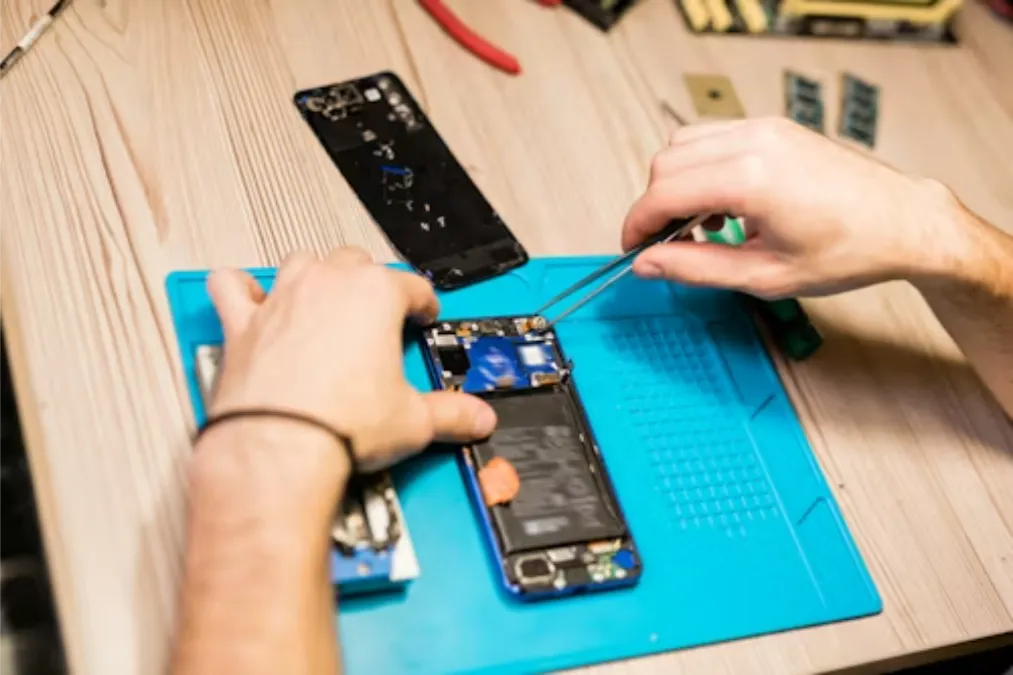
Real-world vending machine deployments process trade-ins automatically, boost customer engagement times by up to 25%, and drive hundreds of weekend sales in high-traffic retail environments.
Operators use vending machines to handle complex workflows without staff intervention. Cellomat runs interactive units that process device trade-ins, document phone conditions using automated photography, and dispense temporary replacement phones directly to the user.
Fast deployment yields immediate returns. One retail operator in Saudi Arabia launched a custom accessory vending machine in just three weeks, capturing more than 300 daily sales during weekend shifts. Looking ahead to 2026, retailers aggressively integrate AI-powered checkout vending machines to automate customer service across high-traffic environments.
Hard data shows that self-service hardware changes how consumers interact with your inventory. When you remove the pressure of a human cashier, buyers take their time and build larger baskets.
A self-service vending machine cuts wait times by up to 40% and speeds up the entire customer check-in process. Automating routine tasks like diagnostics and checkout lets your technicians focus on high-value device repairs instead of ringing up basic accessories. These systems also capture lost revenue by prompting personalized, automated upsells directly on the screen while the customer waits.
Self-service units consistently lift average ticket sizes by 20% to 40% through targeted impulse buys. The software reads the repair ticket and immediately suggests relevant add-ons, such as an exact-fit case or screen protector. Offering these bundled packages at the point of checkout easily adds $20 to $50 to a standard repair visit without any staff intervention.
Yes. Vending machines take over repetitive duties like initial device diagnostics, part lookups, and payment processing. Offloading these tasks frees your bench technicians to concentrate on intricate repairs. During peak lunch or after-work rushes, multiple vending machines manage the queue independently, keeping the shop floor calm, reducing staff burnout, and controlling overall labor costs.
The best cross-sell targets are high-margin accessories: cases, tempered glass, and fast chargers. The vending machine software automatically suggests these items or bundles them with warranty plans during the initial drop-off or final pickup. Putting these products front and center on a digital interface captures impulse buyers and scales your gross profit margins on every single ticket.
Vending machines build customer loyalty by offering the fast, frictionless self-service option that 73% of modern shoppers expect. They streamline the drop-off and pickup workflow to eliminate the frustration of standing in line. You can also integrate loyalty accounts directly into the vending machine system to deploy tailored promotions, track past device repairs, and give customers a clear reason to return.
Combine a mid-range vending machine hardware setup with your existing diagnostic and payment tools to control pricing margins. Program the interface to test time-based deals or discounted accessory bundles directly on the screen. Offering a 10% discount on a charger when paired with a screen repair naturally lifts the average spend and quickly offsets your initial hardware investment.
Scaling a profitable repair operation requires more than skilled technicians; it needs a reliable self-service framework. Manual checkouts and disconnected inventory systems often slow operations and limit upsell potential. A Case DIY Machine or Screen Protector Machine helps turn waiting time into extra revenue while improving customer experience.
As demand for fast, personalized retail grows, automation is becoming a key advantage for repair shops. If you’re ready to upgrade your store, GOBEAR offers Case DIY Machine and Screen Protector Machine solutions to help you scale with ease.
Share your business vision with us. Our automated retail experts will craft a tailored strategy and a comprehensive profitability report to unlock your next revenue stream.