What Phone Accessories Sell Best in Australia
Discover top categories and high-margin phone products that sells best in Australia. Ideal for wholesale, dealers, and p...

I'm the COO of GOBEAR. We help entrepreneurs, mall operators, 3C mobile stores, event venues, and campus retailers tap into high-margin, low-maintenance vending models.
Choosing between tempered glass and hydrogel film affects far more than product preference in vending machines. The material strategy directly influences inventory complexity, compatibility coverage, replenishment efficiency, and long-term profitability.
For vending operators, understanding how these two products perform across different locations and deployment models is essential for reducing dead stock, improving turnover, and building a more scalable automated retail system.
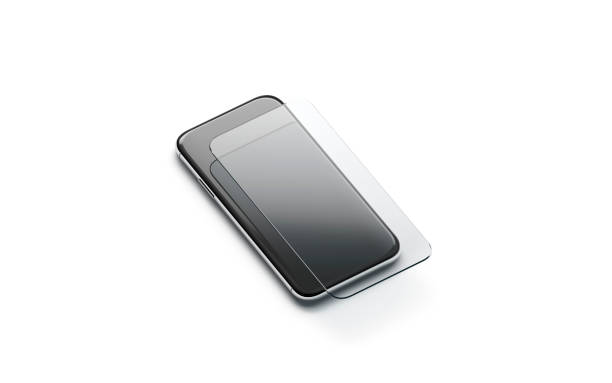
From a vending deployment perspective, tempered glass and hydrogel differ not only in protection performance but also in how they impact inventory structure and operational flexibility.
Tempered glass is a rigid protective material designed to deliver strong surface hardness and a premium tactile experience. It is commonly associated with 9H hardness, which helps resist scratches from everyday usage.
In vending operations, tempered glass is usually sold in model-specific SKUs, meaning each product corresponds to a particular smartphone model. This improves fitting precision and perceived quality, but increases SKU fragmentation and inventory management complexity.
Hydrogel film is designed for operational flexibility rather than rigid protection feel. Its key advantage is on-demand cutting compatibility, allowing operators to serve a wide range of devices using a single roll-based inventory system.
Because of its flexible structure, hydrogel adapts more easily to curved screens and reduces dependency on model-specific stocking. This significantly improves compatibility coverage while lowering inventory pressure in vending environments.
From a vending decision perspective, user preference is shaped less by technical specifications and more by perceived usability and daily interaction experience.
| Dimension | Tempered Glass | Hydrogel Film |
|---|---|---|
| Tactile Feel | Hard, glass-like surface | Soft, adaptive surface |
| Scratch Resistance | Higher surface hardness (9H) | Moderate, wear-sensitive |
| Flexibility | Rigid, fixed form | Highly flexible, curved-screen friendly |
| Daily Usability | Premium feel perception | Comfort and adaptability |
| Purchase Driver | Protection confidence | Compatibility convenience |
In practice, tempered glass is often chosen for its perceived durability and premium feel, while hydrogel is preferred for its adaptability and broader device compatibility.

Once material differences are defined, the next key factor in vending operations is how each option impacts cost structure and profit margins.
Upfront costs for screen protector materials are mainly determined by how inventory must be structured before deployment begins, especially in terms of SKU requirements and initial purchasing scale.
Tempered glass typically requires separate SKUs for different device models, which increases initial inventory fragmentation and raises minimum order quantities. This leads to higher upfront capital pressure when covering a wide range of smartphones.
Hydrogel film operates on a roll-based system, allowing operators to stock a single material that can be cut on demand.
Margin performance is influenced by how easily each material supports different pricing tiers and upselling strategies in vending environments.
Tempered glass generally supports higher unit pricing due to its perceived durability and premium positioning. This allows operators to set stronger upper-tier price points, especially for flagship device models.
Hydrogel film offers more flexible pricing strategies across a wider customer base, since its lower material cost enables consistent margins even at lower price points. This makes it more suitable for impulse-driven environments where transaction volume is prioritized over per-unit pricing.
Inventory risk is primarily driven by how sensitive each material is to device model changes and turnover speed in real-world vending operations.
Tempered glass carries higher risk of dead stock because each SKU is tied to specific smartphone models. When new devices enter the market, older inventory can become obsolete and unsellable.
Hydrogel film significantly reduces this risk because it is not model-dependent. A single material can serve multiple devices, which improves turnover efficiency and minimizes waste caused by device fragmentation or market updates.
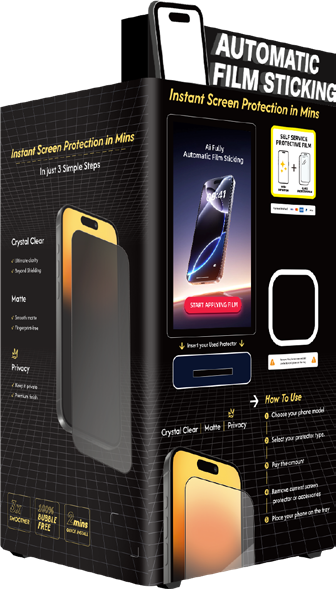
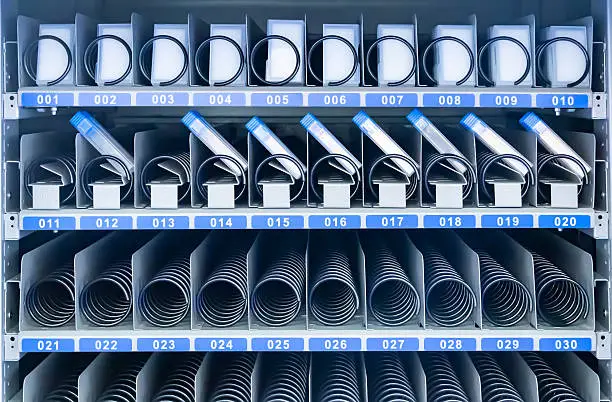
After cost structure is defined, inventory strategy determines how efficiently limited machine space is converted into sellable coverage.
Inventory allocation between hydrogel and tempered glass is primarily determined by traffic diversity and device distribution within a given location.
In high-traffic environments such as malls or transit hubs, operators typically allocate a higher proportion to hydrogel film due to its universal compatibility and ability to serve a wide range of devices. Tempered glass is usually reserved for selected high-demand models to capture premium pricing opportunities.
In more controlled environments like offices or campuses, a more balanced allocation is often used to match stable but narrower device distributions, allowing tempered glass to play a slightly larger role in consistent demand fulfillment.
Inventory efficiency in vending machines depends on how many device models a single machine can support within limited physical space.
Hydrogel film reduces SKU complexity by using a single roll-based material that can be cut on demand for multiple device types. This significantly expands compatibility coverage without increasing storage requirements.
Tempered glass, by contrast, requires pre-defined model-specific units. While this improves precision and perceived quality, it reduces space efficiency and increases the risk of underutilized inventory slots in multi-device environments.
Replenishment strategy is determined by how each material behaves under real-world usage conditions, including turnover speed and physical durability.
Hydrogel inventory is primarily managed through material replenishment cycles, where operators restock rolls and ensure cutting systems remain functional. This process is generally stable and predictable due to the low risk of product obsolescence.
Tempered glass requires more frequent inventory auditing because individual SKUs may become slow-moving or obsolete as device models change. In addition, physical handling during stocking and dispensing increases the need for periodic inspection to remove damaged units and maintain operational reliability.
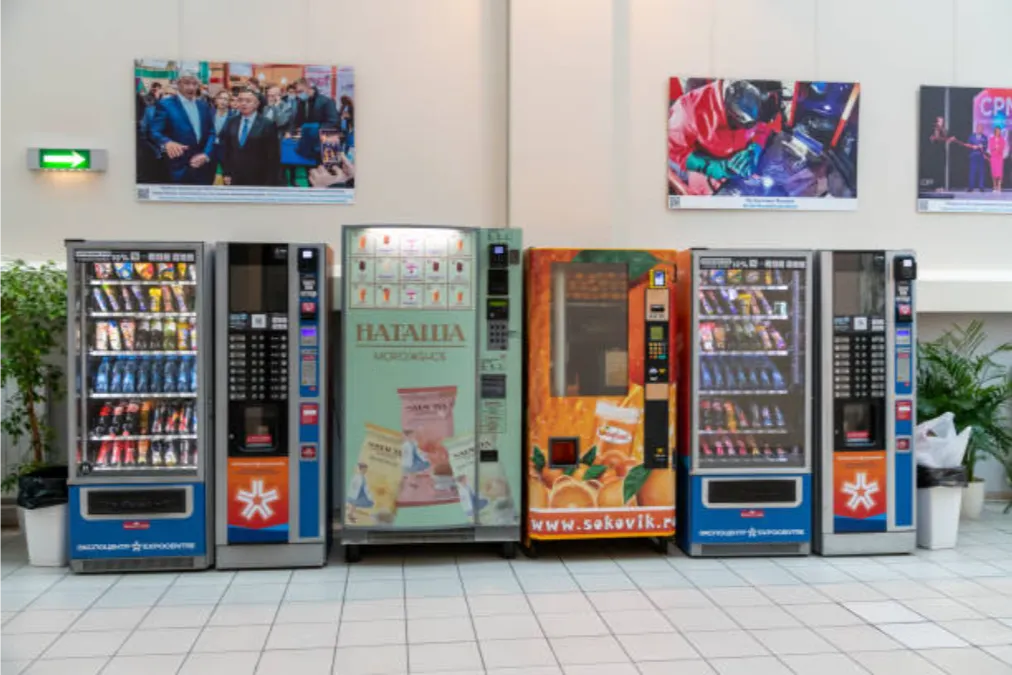
Once inventory structure is set, deployment strategy determines where each product mix performs best. In vending machine operations, deployment strategy is determined by how effectively product structure aligns with user behavior patterns, traffic intensity, and purchase intent across different environments
High-traffic environments such as shopping malls, airports, and transport hubs are characterized by unpredictable device diversity and fast decision-making behavior.
In these locations, vending performance depends heavily on turnover speed and broad compatibility coverage. Users typically make impulse-driven purchases with limited comparison time, which increases the importance of serving as many device types as possible within a single machine footprint.
Hydrogel film tends to perform strongly in these environments due to its ability to cover a wide range of devices without requiring model-specific inventory. Tempered glass is generally used in a more selective way, focusing on high-frequency device models to capture premium transactions. This environment prioritizes compatibility coverage due to high device diversity and fast purchase decisions.
Offices, Schools, and Specialized Locations
Controlled environments such as offices, schools, and institutional settings exhibit more stable user groups and more predictable device distributions.
In these locations, purchasing behavior is often repeat-based rather than impulse-driven, which shifts the focus toward consistency, familiarity, and targeted product relevance. Privacy-oriented or usage-specific preferences may also become more important depending on the setting.
Tempered glass and hydrogel can both perform effectively here, but product selection tends to be more structured, with operators optimizing for repeat consumption patterns rather than maximum device coverage. These environments favor stable usage patterns and more targeted product selection strategies, requiring more consistent and repeat-driven product strategies.
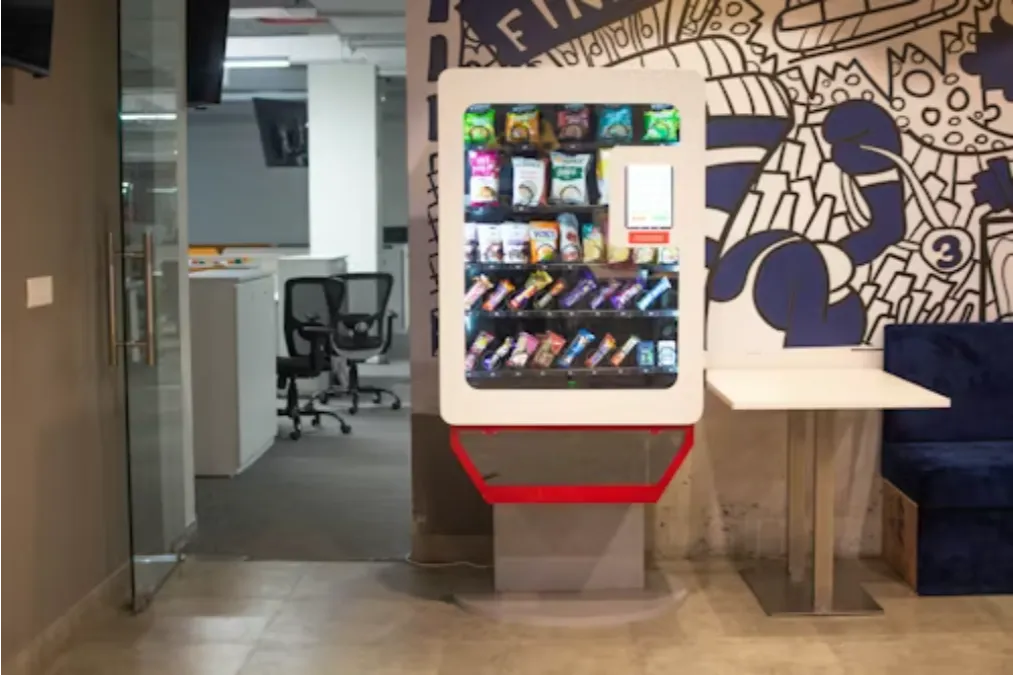
Deployment defines exposure, but product mix determines revenue efficiency and profitability balance.
Product mix efficiency depends on maintaining a balance between fast-moving items and higher-margin upgrades within the same machine.
Hydrogel products typically serve as the primary volume driver due to their broad compatibility and consistent demand across different devices.
Tempered glass functions as a targeted upsell option, positioned for users who prioritize stronger protection and are willing to pay a higher price.
A balanced mix ensures stable daily transactions while still preserving opportunities for higher-value sales.
Pricing structure plays a key role in guiding user decisions and supporting both conversion rate and profit optimization.
Entry-level pricing is generally aligned with hydrogel products to reduce purchase friction and encourage impulse decisions in high-traffic environments.
Premium pricing tiers are supported by tempered glass products, which leverage perceived durability and brand trust to justify higher transaction values.
This tiered structure allows operators to serve both price-sensitive users and value-driven customers within a single vending system.
A balanced product portfolio ensures that vending machines maintain both stable turnover and sustainable profitability without overloading operational complexity.
Hydrogel products typically serve as the high-volume driver due to their broad compatibility and consistent demand across device types.
Tempered glass functions as a controlled premium layer, helping operators capture higher-margin transactions without significantly increasing inventory burden.

After product and deployment strategies are defined, scaling focuses on system-wide performance consistency across multiple locations.
Data plays a central role in improving inventory accuracy by revealing which products consistently generate stable sell-through rates across different environments.
Operators can analyze demand patterns by tracking sales velocity, device coverage performance, and restocking frequency at each machine.
This reduces reliance on assumptions and helps prioritize high-performing SKUs while gradually eliminating slow-moving inventory.
Over time, data-driven selection improves both turnover efficiency and revenue consistency at the machine level.
Scalable vending operations depend on the ability to replicate successful deployment patterns across multiple locations without introducing operational variability.
Standardization typically involves unified product selection rules, consistent inventory ratios, and repeatable restocking workflows.
This ensures repeatable deployment across locations without requiring individual optimization for each machine.
Long-term ROI stability is achieved by minimizing inventory waste and reducing operational uncertainty across the entire vending system.
When product selection and deployment are standardized, stockouts and dead inventory become more predictable and easier to control.
This reduces performance variance across the network, improving long-term return consistency.
Sales depend heavily on the deployment environment. Tempered glass dominates in secure, high-traffic spots like transit hubs because of its high durability and scratch resistance. Hydrogel films excel in space-constrained setups since a single machine cuts films for over 22,000 device models on demand, completely eliminating dead stock. Hydrogel delivers better operational efficiency for broad deployments, while tempered glass secures premium sales in controlled areas.
Tempered glass provides excellent scratch resistance with a 9H hardness rating, strong thermal stability, and premium tactile feedback. The downsides include higher unit costs, a rigid shape that forces you to hold model-specific inventory, and occasional shattering upon severe impact. Hydrogel offers extreme flexibility, impact absorption, and universal compatibility. Operators only stock uncut blank sheets. But hydrogel scratches more easily, degrades faster under heavy outdoor exposure, and lacks the smooth feel of actual glass.
Yes. Stocking both maximizes your market reach without demanding massive infrastructure. Modern automated machines require less than 10 square feet of floor space, making a dual inventory highly practical. You serve users who demand the scratch resistance of tempered glass while capturing a broader audience using hydrogel's universal on-demand cutting capabilities. This strategy balances premium product offerings with highly efficient inventory management.
Choosing between tempered glass and hydrogel film is ultimately a decision about how a screen protector vending machine business scales, not just which product performs better. Tempered glass supports higher-margin, model-specific sales, while hydrogel enables universal compatibility with lower inventory pressure and faster turnover across diverse locations.
As operators expand into more locations, success depends on building a consistent and repeatable deployment system that balances both materials effectively. GOBEAR‘s screen protector vending machine is designed to support this model by combining automated operation and scalable machine deployment, helping turn foot traffic into stable, long-term ROI.
Share your business vision with us. Our automated retail experts will craft a tailored strategy and a comprehensive profitability report to unlock your next revenue stream.