How to Negotiate Vending Machine Placement with Property Owners
Negotiating vending machine placement with property owners is rarely about the machine itself. Most hesitation comes from uncertainty around risk, tenant experience, and operational control rather than the actual value of the equipment.
When the proposal is framed as a low-maintenance upgrade that improves convenience and adds passive income without disrupting daily operations, acceptance becomes much more likely. The key is how the opportunity is positioned and communicated during the negotiation process.
Why Property Owners Accept Vending Machines
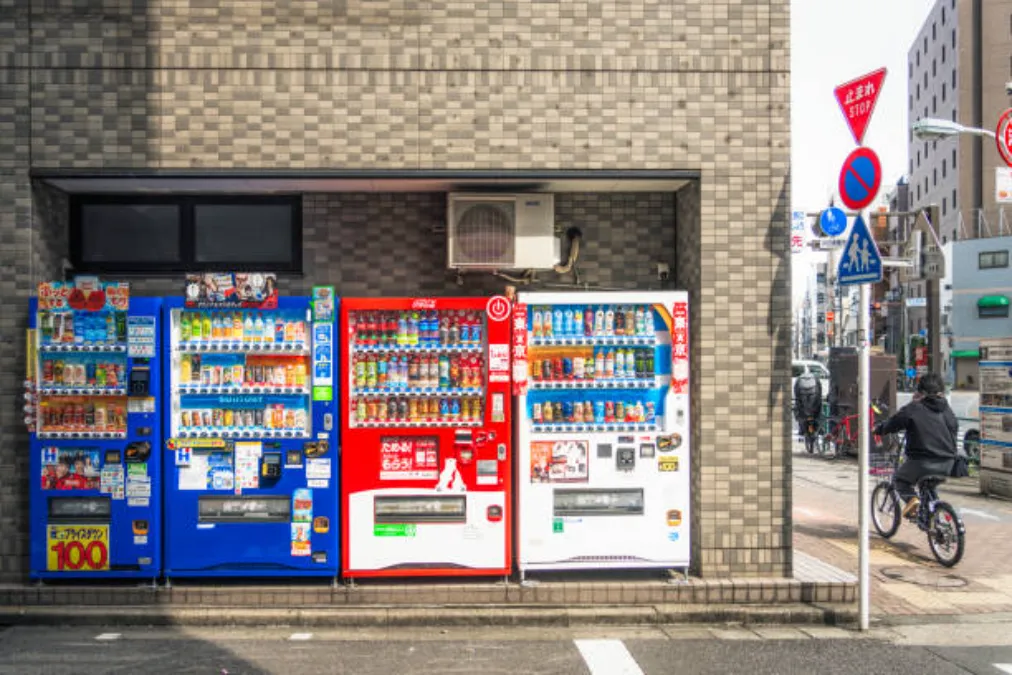
Property owners typically evaluate vending machines based on practicality, operational simplicity, and their ability to enhance space efficiency. When positioned correctly, vending machines act as low-effort assets that improve both revenue potential and tenant experience.
Passive Income With Minimal Operational Burden
Property owners are primarily interested in solutions that generate additional income without increasing management workload or operational complexity. Vending machines fit this requirement because they function as self-running micro revenue units.
- Revenue models: Owners actively compare direct rental income against commission-based profit-sharing structures to find the most stable and predictable financial arrangement.
- Operational burden: The system requires no staffing or inventory management responsibilities, allowing property teams to focus on core building operations.
- Space utilization: The setup monetizes underutilized commercial space by converting idle areas into consistent income-generating points without renovation costs.
Tenant Convenience and Property Value Enhancement
Beyond financial returns, vending machines also contribute to the perceived quality and functionality of a property. This makes them a small but effective upgrade in tenant-facing services.
- User access: 24/7 access improves user experience by offering instant convenience at any time of the day.
- Property appeal: Modern amenities strengthen property appeal by making the environment feel more updated and service-oriented.
- Tenant retention: Convenience services support tenant retention by improving daily satisfaction and reducing friction in everyday needs.
Different Property Types Require Different Approaches
Each property type has different user behavior patterns, which means vending machine positioning and product selection must be adapted accordingly to maximize acceptance and performance.
- Office environments: Offices focus on employee convenience, prioritizing quick access to snacks, drinks, and daily essentials during working hours.
- Fitness centers: Gyms prefer wellness-oriented products that align with health-conscious user expectations and lifestyle habits.
- Residential buildings: Residential buildings value after-hours accessibility, where nighttime and weekend convenience becomes a key advantage.
- Retail and campuses: Retail and campus environments prioritize traffic conversion, where high footfall supports impulse-driven purchases and engagement.
How to Prepare Before Negotiating

Successful vending placement negotiations rarely depend on the machine itself, but on how well the operator understands the location and presents the opportunity. Proper preparation helps reduce objections and improves approval rates from property owners.
Researching Traffic Flow and User Demographics
Before approaching any property owner, operators need a clear understanding of how people move through the space and who the main users are. This determines whether the location can realistically support consistent sales performance.
- Visitor behavior: Understanding visitor behavior helps identify peak hours, movement direction, and natural stopping points within the property.
- Visibility zones: Identifying high-visibility installation zones ensures the machine is placed where it naturally attracts attention without forcing interaction.
- Purchase intent: Evaluating dwell time and purchasing intent helps determine whether users are likely to make impulse or need-based purchases.
Matching Machine Type and Product Mix to the Location
Different environments require different vending configurations, and alignment between machine setup and audience demand is critical for approval and long-term success.
- Product categories: Selecting suitable vending categories ensures the product mix matches the preferences and expectations of the target audience.
- Space constraints: Adapting machine size to physical space conditions helps avoid installation issues and ensures smooth integration into the property layout.
- Location fit: Aligning inventory with property positioning ensures the vending offer supports the overall function and identity of the space.
Building a Professional Placement Proposal
A well-prepared proposal helps property owners clearly understand the value of the vending machine and reduces perceived risk during negotiation.
- Facility upgrade: Presenting vending as a facility upgrade positions it as an added service rather than a commercial intrusion.
- Revenue benchmarks: Using realistic revenue benchmarks helps set clear expectations and builds trust with property owners.
- Operational reliability: Demonstrating low maintenance needs and stable operation reassures owners that the system will not create management burdens.
Turn Foot Traffic Into 24/7 Passive Income
Eliminate labor costs and achieve a rapid 3-6 month ROI with our fully automated, AI-driven installation kiosk. Manage your machine fleet remotely to scale operations and maximize profit margins.
Get Factory-Direct Pricing →
Turn Foot Traffic Into 24/7 Passive Income
Eliminate labor costs and achieve a rapid 3-6 month ROI with our fully automated, AI-driven installation kiosk. Manage your machine fleet remotely to scale operations and maximize profit margins.
Get Factory-Direct Pricing →
How to Negotiate Financial Terms Effectively

Financial negotiation is often the most sensitive stage of vending placement discussions. Property owners want predictable returns, while operators need flexibility to ensure long-term profitability. A clear structure helps both sides reach agreement faster.
Common Commission Structures
Most vending placements rely on a few standard financial models. Understanding how each structure works helps operators choose the most suitable option for different property types.
- Gross commission: Gross sales commission agreements are based on total machine revenue, offering a simple and transparent way for property owners to earn without calculating costs.
- Profit sharing: Net profit-sharing models focus on earnings after expenses, creating a more balanced structure between operator risk and owner return.
- Fixed rent: Fixed rent and hybrid payment structures provide predictable income for owners while giving operators flexibility in pricing and sales strategy.
Factors That Influence Revenue Negotiations
Negotiation outcomes are heavily influenced by location quality and expected performance potential. Operators must be able to justify their financial assumptions with realistic location data.
- Foot traffic: Foot traffic quality and location visibility directly impact expected sales volume and determine the overall earning potential of the machine.
- Exclusivity terms: Placement exclusivity and competition influence pricing power and can significantly affect negotiation leverage for both sides.
- Sales potential: Product pricing and transaction volume potential help define realistic revenue expectations based on customer behavior in the specific environment.
Using Trial Periods to Reduce Risk
Trial periods are a practical way to reduce hesitation from property owners and demonstrate real performance before committing to long-term contracts.
- Pilot duration: Three to six-month pilot agreements allow both parties to evaluate performance under real operating conditions.
- Performance review: Performance-based renewal discussions ensure decisions are made based on actual data rather than projections.
- Entry barrier: Lowering entry barriers for property owners increases acceptance rates and helps operators secure high-quality locations faster.
Contract Terms You Need to Know

A clear contract is essential for preventing misunderstandings after installation. It defines responsibilities, financial expectations, and legal protections so both the operator and property owner can maintain a stable long-term partnership.
Operational Responsibilities
Operational clarity ensures that day-to-day management does not create friction between the operator and property owner. Each responsibility should be clearly assigned from the beginning.
- Restocking duties: Restocking and maintenance obligations define who is responsible for inventory replenishment, cleaning, and general machine upkeep.
- Utility costs: Utility cost allocation clarifies whether electricity and other operational expenses are covered by the operator or shared with the property owner.
- Service response: Machine servicing response expectations set clear timelines for repairs and technical support to minimize downtime and maintain user experience.
Financial and Reporting Terms
Transparent financial agreements help build trust and reduce disputes related to revenue performance. Property owners expect clear visibility into how income is generated and distributed.
- Payment schedule: Commission payment schedules define when and how revenue is distributed, ensuring consistent and predictable cash flow for property owners.
- Revenue tracking: Revenue tracking and telemetry access allow owners to verify machine performance through real-time or system-based data reporting.
- Reporting transparency: Sales reporting transparency ensures both parties work with the same data, reducing misunderstandings and improving long-term cooperation.
Legal Protection and Placement Rights
Legal terms protect both sides from operational and contractual risks, especially in long-term or multi-location agreements. These clauses help ensure stability and accountability.
- Liability coverage: Liability insurance requirements define responsibility in case of damage, accidents, or third-party claims related to the machine.
- Ownership clarity: Equipment ownership clarification ensures the machine remains the property of the operator throughout the contract period.
- Exclusivity rights: Exclusivity clauses and relocation rights control whether competitors can install similar machines and under what conditions relocation is allowed.
- Contract terms: Contract duration and termination conditions define the agreement length and outline how either party can exit the partnership.
How to Build Long-Term Property Partnerships
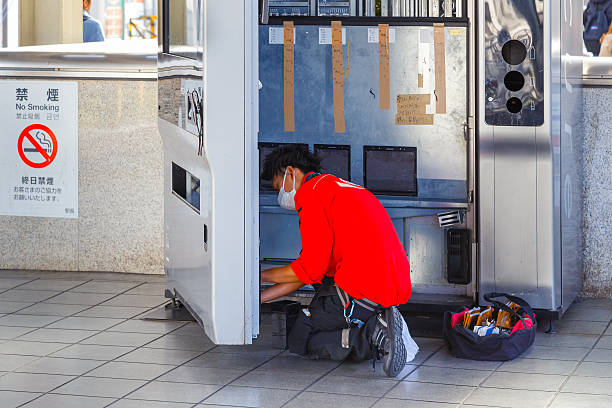
Long-term success in vending placement depends less on the initial agreement and more on how consistently the operator maintains performance and communication after installation. Property owners are more likely to expand cooperation when they see stable results and low management effort over time.
Maintaining Strong Communication After Placement
After a machine is installed, communication becomes the foundation of trust between operators and property owners. Regular updates help reinforce transparency and reduce concerns about performance or operational issues.
- Performance updates: Regular performance updates keep property owners informed about sales trends, machine status, and overall contribution to their space.
- Revenue clarity: Transparent revenue discussions ensure both sides understand earnings distribution and avoid misunderstandings over financial outcomes.
- Operational feedback: Collaborative operational adjustments allow both parties to refine placement strategy based on real customer behavior and usage data.
Improving Performance Through Operational Consistency
Consistent operation is one of the strongest factors influencing whether a property owner continues or expands a partnership. Stability in service quality directly affects customer experience and revenue reliability.
- Machine uptime: Maintaining high machine uptime ensures continuous availability and prevents missed sales opportunities due to technical downtime.
- Service speed: Fast servicing and refill schedules reduce product shortages and help maintain smooth daily operations without disrupting user experience.
- Experience consistency: Consistent customer experience across locations strengthens brand reliability and improves user trust in automated services.
Expanding From Single Locations to Multi-Site Agreements
Once a single placement proves stable and profitable, it becomes significantly easier to expand into additional locations within the same property network or across multiple sites. This is where vending operations scale efficiently.
- Contract renewal: Renewing successful placements builds long-term stability and reinforces trust between operators and property owners.
- Network expansion: Scaling into additional properties allows operators to leverage proven performance to secure new placement opportunities.
- Standardized operations: Standardizing operations for larger vending networks improves efficiency, reduces management complexity, and supports scalable growth.
Common Mistakes During Placement Negotiations
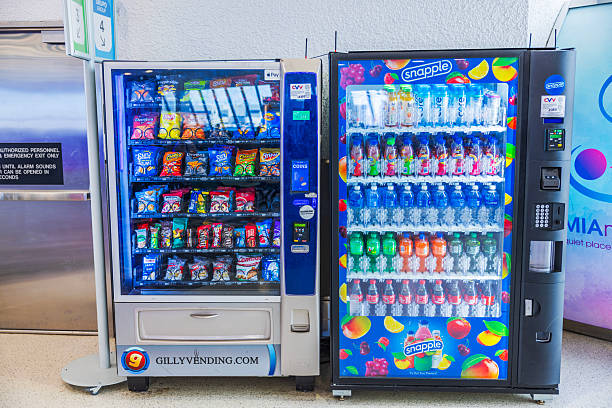
Even when operators understand the negotiation process, certain recurring mistakes can still reduce approval rates or create long-term operational problems. Avoiding these issues helps build stronger trust with property owners and more stable placements.
Overpromising Revenue Expectations
One of the most common mistakes is presenting overly optimistic revenue expectations that do not reflect real-world conditions. Property owners value accuracy and transparency more than aggressive projections.
- Revenue projections: Unrealistic projections damage trust and often make property owners more cautious during negotiation.
- Traffic assumptions: Ignoring location-specific traffic differences leads to incorrect performance expectations across different property types.
- Operational clarity: Failing to explain operational limitations clearly can create misunderstandings about maintenance, uptime, and real earning potential.
Neglecting Contract and Operational Details
Strong agreements depend on clearly defined responsibilities and legal protections. When these details are ignored, disputes and operational inefficiencies are more likely to occur later.
- Maintenance roles: Undefined maintenance responsibilities often lead to confusion over who handles repairs, refills, and service issues.
- Exit terms: Weak termination clauses can create risk for both parties if performance does not meet expectations or conditions change.
- Placement rights: Lack of placement protection and exclusivity terms increases competition risk and reduces long-term stability of the location.
Focusing Only on Revenue Instead of Property Value
Negotiations that focus only on financial return often miss the broader value vending machines bring to a property. Owners make decisions based on both income and overall space improvement.
- Tenant experience: Ignoring tenant experience benefits reduces the perceived value of the installation as a property upgrade.
- Short-term view: Treating placements as short-term transactions weakens trust and limits long-term cooperation opportunities.
- Amenity positioning: Failing to position vending as a long-term amenity solution makes it harder to justify installation in higher-quality properties.
Frequently Asked Questions
How much commission do property owners expect?
Property owners typically expect between 5% and 30% of gross sales, with most deals landing in the 10% to 25% range. Premium locations like shopping malls demand 15% to 30%, while standard office buildings sit around 10% to 15%. You can negotiate alternative setups, such as a flat monthly fee or a hybrid model, depending on the foot traffic and projected sales volume of the site.
What is a fair contract term for a vending machine placement?
A standard contract term lasts between one and five years. This timeframe gives you enough runway to recover equipment costs without making property owners feel locked in indefinitely. A solid agreement clearly outlines your revenue-sharing structure, payment schedules, and exact rules for maintenance, liability, and early termination.
How do I overcome common objections from property owners?
Property owners usually worry about space, maintenance, and aesthetics. You resolve space limits by offering compact machines and proposing a short trial period. Address maintenance fears by guaranteeing remote support and zero out-of-pocket costs for the location. If they already have a vendor, pitch your service as an upgraded employee perk and offer a side-by-side trial to prove your machines generate better sales and tenant satisfaction.
Final Thoughts
Small-scale vending expansion depends on clear location strategy and consistent execution, not just machine deployment. Operators who treat placement as a structured negotiation process are more likely to secure stable partnerships and avoid costly operational mistakes over time.
As automated retail continues to evolve, solutions like Case DIY Machine and Screen Protector Machine make it easier to turn high-traffic commercial spaces into efficient, low-maintenance revenue points. Contact us to discuss deployment strategies and explore suitable vending opportunities for your business.