What Materials Can a Phone Case Printing Machine Print On
Phone case printing materials for B2B. Specs like TPU ≥42 dyn/cm & PC ≤38° contact angle ensure profit. Reliable wh...

I'm the COO of GOBEAR. We help entrepreneurs, mall operators, 3C mobile stores, event venues, and campus retailers tap into high-margin, low-maintenance vending models.
Gyms create a controlled commercial environment where purchasing behavior is shaped by recurring visitor flow, limited decision time, and convenience-driven consumption.
These conditions make fitness spaces highly compatible with automated retail systems, especially for products tied to immediate utility and high-frequency demand. The following sections examine how traffic structure, purchase triggers, product strategy, and operational systems influence vending performance in gym environments.
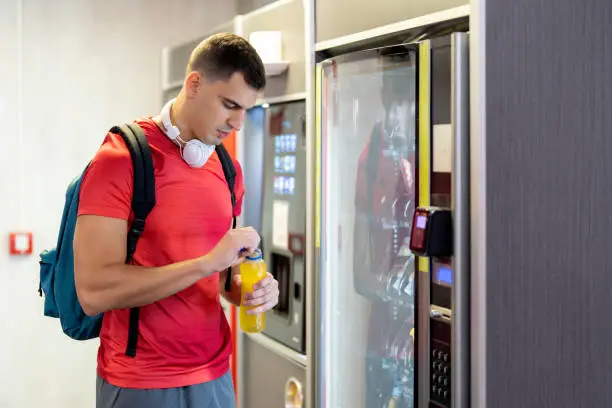
Gym environments combine steady foot traffic, limited outside purchasing access, and convenience-driven behavior patterns. These conditions create a strong fit for vending-based retail systems.
Gym traffic is built around recurring attendance patterns rather than one-time visits. Members often follow fixed workout schedules, creating predictable daily activity throughout the week.
Peak traffic periods are usually concentrated before and after standard working hours, which helps create stable purchasing windows for vending operations.
Most gym members remain inside the facility during workouts instead of leaving to purchase products elsewhere. This increases the value of immediate on-site retail access during training sessions.
Limited movement flexibility also reduces comparison shopping behavior, especially during short workout visits where convenience becomes more important than searching for alternatives.
Gym environments naturally favor fast purchasing behavior, where users operate under limited time and minimal decision bandwidth. This creates a structural preference for immediacy rather than price comparison.
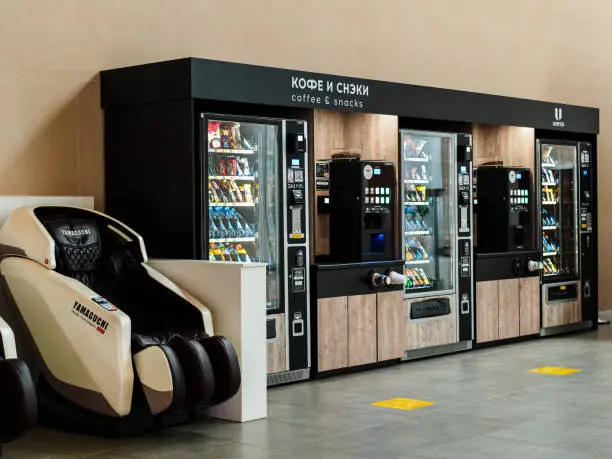
Gym environments naturally produce structured usage rhythms driven by repeat visits and consistent training habits. These patterns define how users interact with the space over time and create predictable behavioral cycles inside the facility.
Users typically follow stable weekly training routines, which creates recurring patterns of gym attendance throughout the week. These routines are influenced by lifestyle structure, work schedules, and personal fitness goals, making usage behavior relatively consistent over time.
Seasonal variation also plays a role in shaping attendance levels. Activity often increases during motivation peaks such as early-year fitness periods and declines during lower engagement months, creating a cyclical but predictable demand structure.
Gym visits are naturally divided into distinct phases centered around training activity. The pre-workout phase focuses on preparation behaviors such as energy intake, hydration, and mental readiness before exercise begins.
The post-workout phase shifts attention toward recovery needs, including hydration replenishment and physical restoration. These two phases form a clear interaction structure that defines when and why users engage with supporting services inside the gym environment.
Gym visits operate within a limited time window, which compresses user interaction and decision-making behavior. Members tend to move quickly between workout stages, leaving little room for extended evaluation or comparison.
This creates a fast-paced environment where actions are driven by immediacy and convenience rather than planned consideration, resulting in highly time-sensitive behavior patterns.
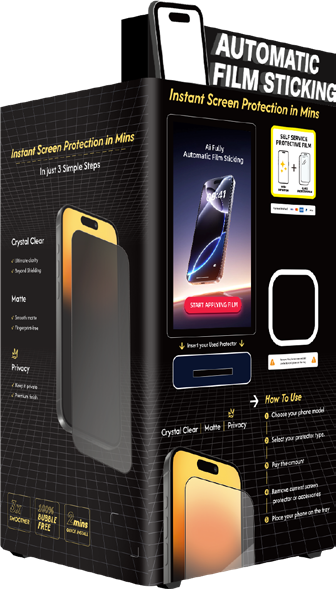
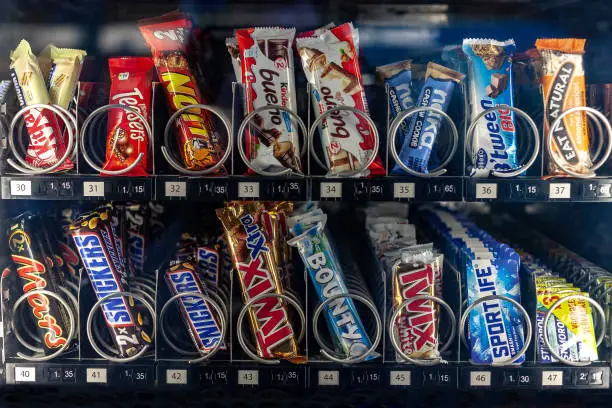
Gym environments convert latent needs into immediate actions through situational awareness, physical fatigue, and missing-item dependency. These triggers operate in real time and directly influence whether users make on-the-spot purchasing decisions.
Post-workout conditions create a short but intense decision phase where physical fatigue and recovery needs become dominant. Users often experience immediate demand for hydration, energy replenishment, or recovery support right after training ends. This urgency reduces evaluation time and increases the likelihood of instant purchasing behavior driven by physical state rather than planned intention.
A common trigger arises when users realize they have forgotten essential items such as water, towels, or small training accessories. This creates an immediate functional gap that must be resolved within the facility. In most cases, users prefer in-place replacement rather than leaving the gym, which makes on-site availability a direct driver of conversion behavior.
Typical forgotten items include:
Purchase behavior is triggered by real-time visual exposure rather than planned intent. Product visibility along high-traffic movement paths creates spontaneous attention shifts, which often lead to immediate, unplanned decisions during gym visits.
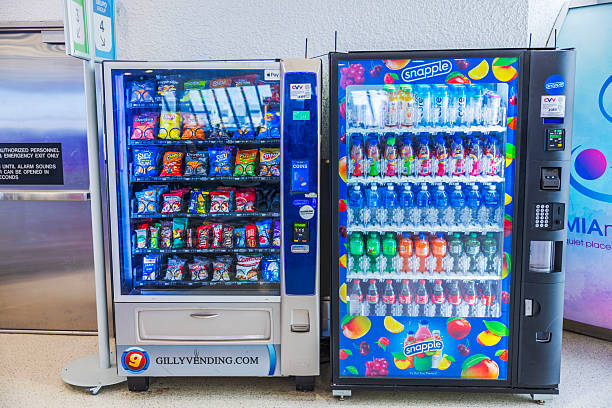
Gym vending product selection is driven by functional immediacy, recovery needs, and lightweight portability. The goal is to match high-frequency demand moments with simple, ready-to-use product categories that require minimal decision effort.
Hydration products represent the core demand layer in gym environments, driven by immediate physical depletion during and after training. These items are typically consumed on the spot and require no decision complexity, making them the most consistent revenue driver in vending systems. Electrolyte balance and quick hydration are the primary value points.
Core items include:
Nutrition products support energy intake and recovery needs, particularly around training cycles. These items are often selected based on convenience and perceived fitness alignment rather than deep comparison. They serve as a secondary but stable consumption layer that complements hydration demand.
Core items include:
Accessory products address functional gaps rather than physiological needs, making them highly situational but high-margin. These items are often purchased when users realize they are missing essential tools during training sessions. Their value lies in convenience and immediate problem-solving.
Core items include:

Gym vending operations become commercially viable when traffic conversion, product margins, and operational efficiency are integrated into a scalable system. The focus shifts from individual machine performance to repeatable deployment and predictable revenue outcomes across multiple locations.
Revenue performance is primarily determined by traffic volume, product pricing structure, and category-level margin differences. High-foot-traffic locations generate more frequent purchase opportunities, while premium fitness-oriented products allow for higher per-transaction value. Together, these factors define the baseline earning potential of each installation.
| Driver Type | Impact |
|---|---|
| Traffic Volume | Determines purchase frequency |
| Premium Pricing | Increases average transaction value |
| Category Margins | Controls overall profitability structure |
Operational efficiency depends on how well machines are positioned, stocked, and maintained over time. Strategic placement near high-flow zones increases conversion probability, while structured inventory cycles ensure product availability aligns with demand patterns. Data-driven restocking further reduces downtime and improves consistency of sales performance.
Core operational elements:
Scaling relies on replicating successful unit economics across multiple locations while maintaining operational consistency. Once a single machine achieves predictable ROI, expansion becomes a function of standardized deployment and centralized management. Automation and remote monitoring systems further reduce labor dependency and support multi-site growth.
Scaling advantages include:
Gym vending machines generate consistent revenue by capturing high foot traffic and immediate demand for fitness products. Operators earn between $400 and $1,800 per month based on facility size. Boutique gyms usually bring in $400 to $700, while high-traffic commercial centers easily exceed $1,800. A captive, health-focused audience gladly pays a premium for convenience. This allows owners to recoup initial machine costs within three to six months.
Focus primarily on functional beverages and high-protein snacks. Electrolyte-enhanced waters and low-sugar energy drinks dominate sales, making up nearly half of the revenue mix. Complement these with protein bars, meat sticks, and trail mixes. These health-oriented items yield high profit margins between 43% and 80%. You can also add specialty accessories like protein shaker bottles or gym towels to create additional income streams.
Plan to restock your machines every two to seven days. High-volume gyms deplete inventory rapidly, especially top sellers like sports drinks and energy bars. Track your sales closely during the first few weeks to build a precise, data-driven schedule. Always restock during off-peak hours, such as early mornings or late evenings. This keeps you from disrupting members and missing prime sales opportunities.
Scaling a profitable gym vending operation depends on structured execution across placement strategy, product selection, and ongoing operational optimization. When these elements are aligned, vending machines become a reliable and repeatable revenue channel within high-traffic fitness environments.
To streamline deployment and improve operational efficiency, operators can leverage GOBEAR’s Case DIY Machine and Screen Protector Machine. Partner with us to deploy vending solutions and scale effortlessly.
Share your business vision with us. Our automated retail experts will craft a tailored strategy and a comprehensive profitability report to unlock your next revenue stream.