Are Vending Machines Profitable in Small Towns?
Are vending machines profitable in small towns? Yes! Ditch spoiled food for high-margin tech accessories. Scale your rur...

I'm the COO of GOBEAR. We help entrepreneurs, mall operators, 3C mobile stores, event venues, and campus retailers tap into high-margin, low-maintenance vending models.
Stop thinking about vending machines as those clunky metal boxes that eat your dollar bills. That era is over. Today’s smart vending machines are sophisticated, connected retail assets, which are more like an unattended Apple Store than the soda machine in your old breakroom.
If you are an investor or retailer, you need to understand this shift to stay profitable. In this guide, we’ll break down exactly how this technology works, from interactive touchscreens to remote management dashboards. So you can leverage these tools to boost revenue and automate your business operations.
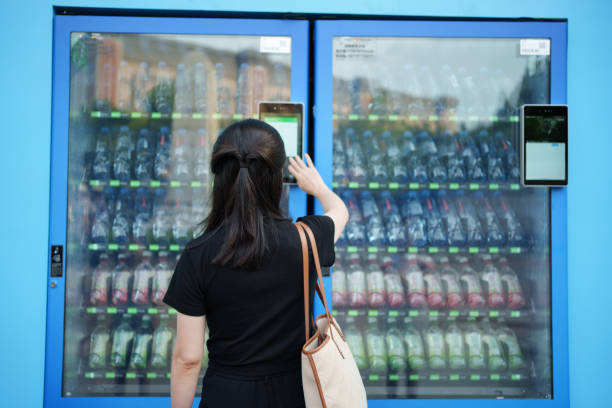
The key difference between old and smart vending machines? It’s connectivity. Traditional machines are essentially lonely, standalone islands. You have to physically drive to them just to see if they need stock or maintenance. By contrast, smart machines use IoT and cloud systems to talk to you constantly, enabling real-time remote management, multiple payment options, and proactive alerts.
The evolution from basic vending to smart retail becomes obvious when you look at the day-to-day operations. Intelligent vending machines leverage connectivity to solve the exact operational headaches that used to plague older models.
| Feature | Traditional Vending Machine | Smart Vending Machine |
|---|---|---|
| Payment Methods | ❌ Limited to cash and coins. | ✅ Accepts credit/debit cards, mobile payments, and other digital wallets. |
| Inventory Management | ❌ Requires manual, on-site checks to track stock. | ✅ Provides real-time inventory tracking with automated low-stock alerts. |
| User Interface | ❌ Basic mechanical buttons with static displays. | ✅ Interactive touchscreens offering rich product information and promotions. |
| Remote Management | ❌ No remote access; all management happens on-site. | ✅ Connects to a cloud platform for remote monitoring of sales, settings, and machine status. |
| Maintenance | ❌ Relies on reactive reports from customers or staff about issues. | ✅ Uses sensors for predictive maintenance, sending alerts for faster repairs. |
So, what does this actually mean for your bottom line? These advanced features directly translate into better business outcomes and a superior customer journey.
For operators: It means you stop operating in the dark. Instead of loading a truck with products you think might sell, data analytics from smart systems tell you exactly what sells best and when. You can optimize product placement and restocking trips to maximize profitability. This transforms a vending machine from a simple dispenser into a dynamic retail asset.
For customers: It means reliability. No more eating their money. No more "Out of Stock" signs on their favorite item. It’s a smooth, modern shopping experience that feels convenient and engaging.
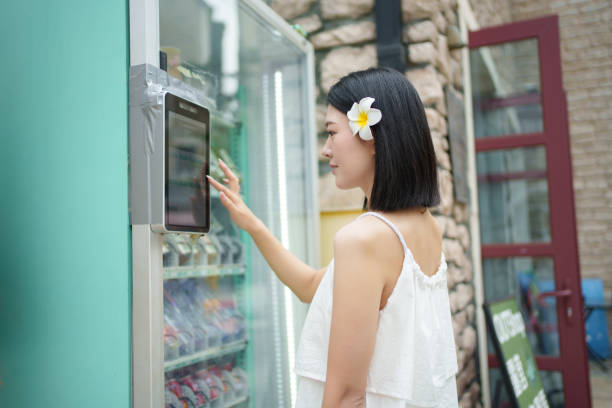
Let's talk about the face of your business. Touchscreens are the interactive heart of a smart vending machine, turning a simple dispenser into an advanced retail platform. They improve the customer experience with rich product visuals and simplify operations with tools for remote management, dynamic pricing, and data collection.
We aren't talking about tiny, pixelated screens here. Modern smart vending machines replace clunky buttons and keypads with large, high-definition touchscreens. In our experience, these displays are typically 43 to 46 inches, providing a vibrant canvas for product videos and interactive guides. They are more than just a display; they are a complete point-of-sale system.
Integrated Payments: It seamlessly accepts credit/debit cards, mobile wallets (like Apple Pay and Google Pay), NFC, and QR code payments, offering customers total convenience.
Interactive Displays: Customers can do more than just stare; they can view products with 3D models, zoom in on details, and access extensive information like ingredients or technical specifications.
High-Definition Visuals: The large screen ensures that product information and promotional videos are clear, crisp, and engaging for every user.
Why does this matter? Because a touchscreen interface makes purchasing feel intuitive and modern, much like using a smartphone. This familiarity lowers the barrier to entry and encourages interaction, which is critical in high-traffic locations like malls or airports.
Simple Navigation: Customers can easily filter products by category or brand, helping them find what they want quickly without frustration.
Inclusive Design: Many machines include multilingual options and accessibility features, ensuring a positive experience for a diverse global audience.
Engaging Process: The interactive journey, from browsing to customization and payment, is far more engaging than a traditional vending machine, boosting customer satisfaction and encouraging repeat business.
For business owners and investors, the biggest advantage of a touchscreen is its connection to a cloud-based management system. This transforms machine maintenance from a manual, time-consuming task into an efficient, remote operation.
Remote Updates: Need to change a price? Launch a holiday promotion? You can update inventory counts or content across your entire fleet of machines instantly from a single dashboard.
Real-Time Analytics: You can access live sales data and performance reports without ever visiting the machine. This allows for quick, data-driven decisions to optimize stock and promotions.
Reduced Costs: By minimizing the need for physical site visits for simple tasks, you save significant time and money on labor and travel.
Here is where it gets profitable. A smart vending machine's touchscreen serves two key functions: selling products and generating additional value. It acts as both a retail storefront and a digital media platform, creating multiple revenue streams from a single asset.
Consumer Data Collection: You can track which products are viewed most, how long customers interact with certain items, and peak sales times. This insight is invaluable for optimizing inventory and marketing efforts.
Digital Advertising Space: That large HD screen is prime real estate for advertising. Operators can display third-party ads or promote their own brand messaging to earn extra revenue.
Dual-Revenue Asset: By combining direct product sales with advertising income, the machine's ROI potential increases dramatically, making it a far more attractive investment.
Don't let the term "AI" intimidate you. AI logic in smart vending machines uses machine learning and IoT sensors to automate operations. It processes real-time data to track inventory, predict demand, and detect issues, shifting management from manual oversight to a data-driven approach for enhanced efficiency and profitability.
The "brain" of a smart vending machine relies on a few key technologies working together. These components gather data, analyze it, and make decisions that drive automated operations. In our experience, integrating these systems is what separates a basic dispenser from a smart retail asset.
Machine Learning Algorithms: These algorithms are the core intelligence. They analyze historical sales data, traffic patterns, and even local events to forecast product demand and identify customer preferences. This allows operators to stock what sells, not just what they guess will sell.
Computer Vision & IoT Sensors: Cameras and sensors provide a live view of the machine's status. They track inventory levels for each slot, monitor internal temperatures, and detect any physical tampering, sending real-time alerts to the operator's dashboard.
Cloud Connectivity: All this data is transmitted to a central cloud platform. This enables remote management, allowing operators to monitor sales, update software, and manage inventory from anywhere without needing to physically visit the machine.
Once the core components are in place, the AI can perform specific tasks that directly boost revenue and cut down on manual work. These functions turn raw data into profitable actions.
Real-time Inventory & Demand Prediction: The system uses sales data to predict when an item will sell out and automatically suggests reordering. This minimizes stockouts on popular items and reduces waste from overstocking slow-moving products.
Dynamic Pricing: AI can adjust product prices based on real-time factors like high demand, remaining stock, or product freshness. This allows the machine to maximize revenue during peak hours or clear inventory before it expires.
Automated Anomaly Detection: The AI constantly monitors for operational issues. It can instantly flag problems like coin jams, temperature deviations in a refrigerated unit, or suspicious activity, sending an alert for immediate attention.
Cashless Payment Integration: AI logic seamlessly manages a variety of modern payment methods, including mobile wallets, contactless cards, and QR codes. This ensures a fast, secure, and convenient transaction for every customer.
The CaseDIY machine turns high-traffic spots into revenue streams. It prints premium, personalized phone cases in about two minutes, targeting a 30-day return on investment. With cloud-based management, no monthly software fees, and a 3-year warranty, you get a low-overhead, high-throughput business ready to scale.
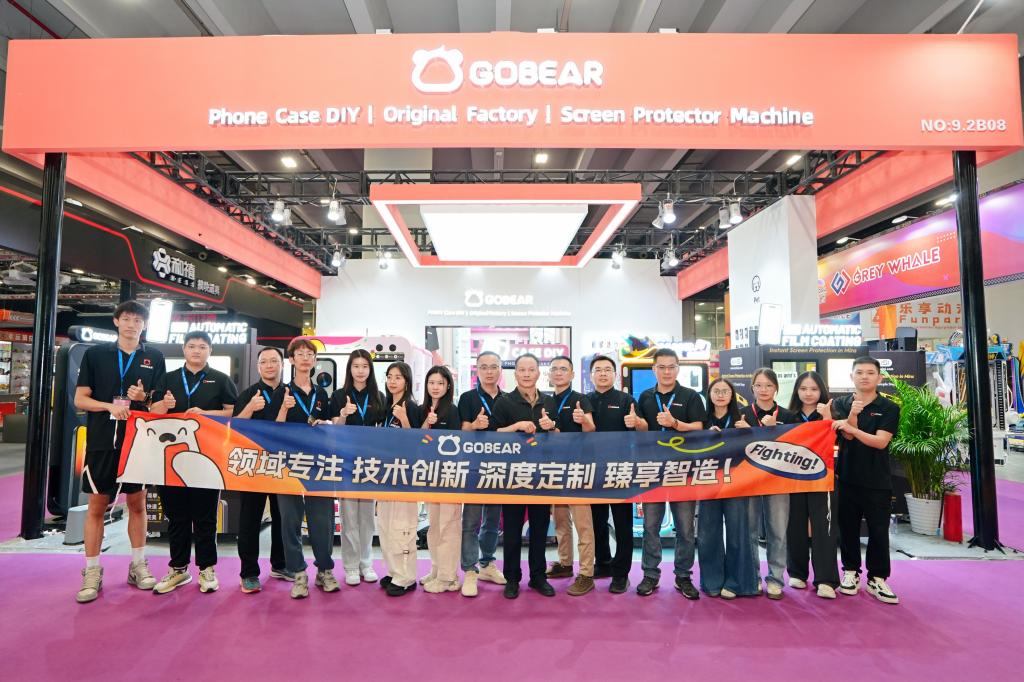
IoT in smart vending machines refers to the network of sensors and internet connectivity that allows machines to communicate in real-time. This technology enables operators to remotely monitor inventory, track sales data, and manage operations, turning a standalone dispenser into a connected part of a larger business ecosystem.
The Internet of Things (IoT) is the core technology that elevates a traditional vending machine from a passive dispenser to an intelligent retail endpoint. By embedding sensors and internet connectivity, IoT creates a constant, two-way communication channel between the machine and a central management platform.
This connection transforms the machine into a rich source of data. Instead of guessing when to restock or what products are popular, operators get real-time, actionable insights on sales, inventory levels, and machine health. This data stream forms the foundation for smarter business decisions and more efficient operations.
Integrating IoT technology isn't just cool; it delivers direct, measurable improvements to a vending business's bottom line. In our experience, operators who leverage cloud-based management systems see significant gains in efficiency and reductions in overhead.
Real-Time Inventory Tracking: Drastically reduces product shortages and prevents wasted trips by optimizing restocking schedules based on actual sales data.
Remote Management: Allows operators to monitor machine status, update software, and manage settings from anywhere. This cuts down on the need for frequent and costly on-site visits.
Automated Alerts: Proactive notifications for low stock, maintenance needs, or system errors enable quick responses, minimizing downtime and lost revenue.
IoT doesn't work in isolation; it serves as the essential infrastructure that enables other modern technologies to function. It's the digital backbone that supports a fully integrated and responsive vending experience.
For example, reliable IoT connectivity is what makes seamless cashless payment systems possible. It also feeds the real-time data that AI algorithms use for dynamic pricing or personalized customer recommendations. IoT sensors can also monitor internal conditions, ensuring product quality and safety are consistently maintained, leading to a better overall customer experience.
Why is everyone talking about this? Because the adoption of IoT is a primary driver behind the rapid expansion of the intelligent vending market. The industry's growth trajectory reflects strong demand for connected, data-driven retail solutions.
Current market trends highlight this shift:
The global intelligent vending market is experiencing sustained double-digit growth as retailers seek automated solutions.
Major growth is expected over the next decade as businesses move away from traditional models.
The Asia Pacific region remains a key player, holding a significant and growing portion of the global market share due to high urbanization and technology adoption.
Your cloud dashboard is the central command center for smart vending machines, offering real-time visibility into inventory, sales, and machine health. It enables operators to remotely manage their entire network, using data to optimize routes, pricing, and maintenance from any internet-connected device.
A modern cloud dashboard consolidates your entire vending operation into a single, intuitive interface. Instead of relying on manual visits and guesswork, you get a live look into every machine's status. This is essential for managing multiple locations efficiently, whether they're across a city or across the country.
Complete Network Overview: View the status of every machine in your network from any PC, smartphone, or tablet.
Live Inventory Tracking: Monitor current stock levels for each product slot, completely eliminating the need for physical spot-checks.
Instant Sales Data: Access live sales figures and transaction histories to track revenue and understand customer consumption patterns as they happen.
Downtime is lost revenue. A cloud platform transforms maintenance from a reactive chore into a proactive strategy. By constantly monitoring the health of critical components, the system can flag potential issues before they cause a machine to go offline.
Component Performance Tracking: Keep an eye on the health of vital parts like payment systems, network connectivity, and compressors in refrigerated units.
Automated Alerts: Receive instant notifications for low inventory, temperature fluctuations, or payment terminal errors so you can act immediately.
Predictive Maintenance: The system helps you anticipate service needs before a failure occurs, reducing unexpected downtime and service call costs.
The best operators don't guess; they look at the data. Your dashboard is a powerful business intelligence tool that collects valuable insights on sales, customer behavior, and operational efficiency, allowing you to fine-tune your strategy for maximum profitability.
Optimize Product Mix: Analyze sales reports to identify top-selling items and underperformers, helping you optimize product placement and pricing.
Remote Price Adjustments: Instantly update prices or push promotional content across your entire network without needing to visit each machine.
Efficient Service Routing: Use built-in algorithms to calculate the most efficient restocking routes, saving significant time and fuel costs.
When you are dealing with payments and data, security is non-negotiable. Operating a modern vending machine involves managing payments, data, and sometimes perishable goods. A professional cloud platform is built with security and compliance at its core, giving you and your customers peace of mind.
These systems ensure every transaction and piece of data is handled correctly:
Payment Security: Protect customer data with systems that meet PCI DSS standards using end-to-end encryption and tokenization.
Food Safety Compliance: For refrigerated units, automated temperature logging and alerts help maintain food safety standards without manual effort.
Role-Based Access Control: Manage your team effectively by granting different permission levels to specific users, such as restockers, technicians, and managers.
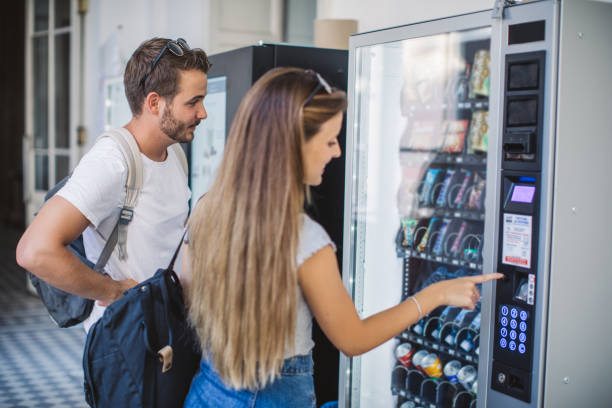
If using the machine is a hassle, people won't buy. It’s that simple. User experience (UX) in modern smart vending machines is a major upgrade from traditional models, driven by interactive touchscreens, AI-powered personalization, and touchless payments. These features create a seamless, engaging retail experience that boosts customer satisfaction and encourages repeat business.
Modern smart vending machines have moved far beyond simple coin slots and buttons. The user experience is designed to be as intuitive and engaging as using a smartphone. This focus on familiar, high-tech interactions simplifies the buying process and makes it more enjoyable for the customer.
Several core components work together to create this seamless experience:
Interactive Interfaces: Large touchscreens are now standard, providing rich visual information and easy navigation. Some models take this further, using a customer's own smartphone as the primary interface after a quick QR code scan, creating an instantly familiar environment for customization and purchase.
Touchless Transactions: To meet consumer demand for speed, security, and hygiene, contactless payment options are essential. Customers can pay with credit cards, mobile wallets, or other digital methods in seconds.
Loyalty Program Integration: Smart machines can connect directly with a brand’s loyalty program, allowing customers to earn and redeem points on the spot. This feature helps build a loyal customer base and encourages repeat visits.
This is where it gets cool. Artificial intelligence transforms a vending machine from a simple dispenser into a smart retail partner. AI algorithms work behind the scenes to tailor the experience to individual users, making them feel recognized and valued. This level of personalization drives higher engagement and can significantly increase sales.
AI achieves this through several key functions:
Personalized Recommendations: AI can analyze a user's purchase history to suggest new products they might like. In our experience with custom phone case machines, AI assists users in the design process, helping them create unique products tailored perfectly to their tastes.
Customer Recognition: Advanced systems can identify returning customers, greeting them with a personalized interface or offering exclusive promotions based on their past interactions.
Adaptive Interfaces: The machine's display can change dynamically. It might highlight certain products based on the time of day—like promoting different designs for a morning commute versus an evening out—or adjust offerings based on aggregated local demographic data.
A superior user experience isn't just a nice-to-have feature; it delivers measurable business results. By making the purchasing process fast, personal, and rewarding, smart vending machines build stronger customer relationships and remove common points of friction that can kill a sale.
The positive outcomes are clear:
Frictionless Purchasing: A smooth, intuitive process increases conversion rates. When a customer can design, pay for, and receive a custom product in a fraction of the time compared to traditional retail, the path to purchase is incredibly efficient and satisfying.
Building Customer Loyalty: The combination of convenient transactions, personalized interactions, and integrated rewards programs gives customers compelling reasons to come back again and again.
Improved Perception Over Retail: Recent trends show a growing number of consumers find the smart vending experience to be faster and more convenient than shopping in a traditional retail store, positioning it as a preferred channel for quick-service purchases.
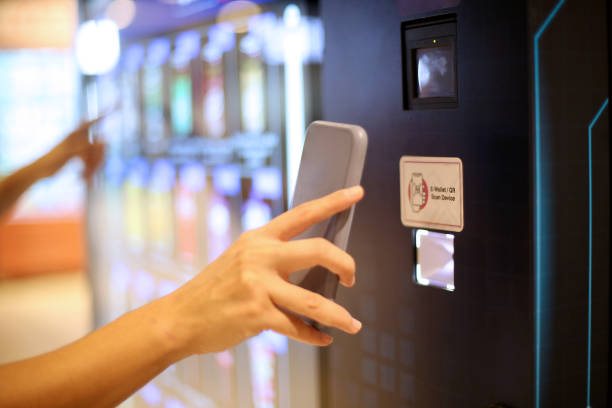
Payment innovation in smart vending machines is the shift from cash to digital ecosystems like mobile wallets, NFC, and QR codes. This change enhances customer convenience, speeds up transactions, and provides operators with valuable real-time sales data for better management.
The move away from cash is a defining feature of modern vending. Today’s machines rely on a flexible ecosystem of payment technologies that meet customers where they are. In our experience, offering multiple digital options is non-negotiable for success.
Dominance of Mobile Payments: NFC (tap-to-pay) and QR code systems have become the standard. They align perfectly with modern smartphone usage, allowing for quick, frictionless transactions.
Support for Diverse Options: Leading systems integrate everything from traditional credit/debit cards to mobile wallets and dominant regional platforms like WeChat Pay and Alipay.
Emerging Technologies: Advanced machines are beginning to incorporate biometrics and even blockchain-based transactions, pushing the boundaries of security and convenience.
Adopting modern payment systems isn't just about customer convenience; it directly impacts your bottom line. The ability to manage a machine remotely, powered by real-time data, transforms operational efficiency.
Enhanced Customer Experience: Near-instant transactions eliminate wait times and purchase friction. A happy customer is more likely to become a repeat customer.
Data-Driven Management: Real-time sales data from digital payments allows operators to optimize inventory, predict maintenance needs, and analyze purchasing patterns without visiting the machine.
Increased Revenue: Offering cashless options directly correlates with higher transaction volumes. It also reduces the operational costs and security risks associated with handling physical cash.
The rapid adoption of digital payments is a primary engine behind the smart vending market's expansion. For investors and operators, a machine’s payment infrastructure is a critical factor for long-term viability and profitability.
Core Growth Driver: The smart vending market is experiencing rapid expansion, with payment innovation being a key enabler of this trend.
Future Market Size: The widespread adoption of cashless payments is a primary reason the intelligent vending market is projected to reach new heights in valuation over the coming decade.
Critical Differentiator: For anyone entering the market, an advanced payment system is essential. It's no longer a feature but a core expectation for staying competitive and meeting modern consumer demands.
We are witnessing a retail revolution. The evolution from traditional to smart vending is driven by connected technology. By integrating IoT for real-time data, cloud dashboards for remote management, and AI for operational logic, these machines become intelligent retail platforms. This shift modernizes everything from inventory control to the customer interface, moving beyond simple transactions to create a fully interactive experience.
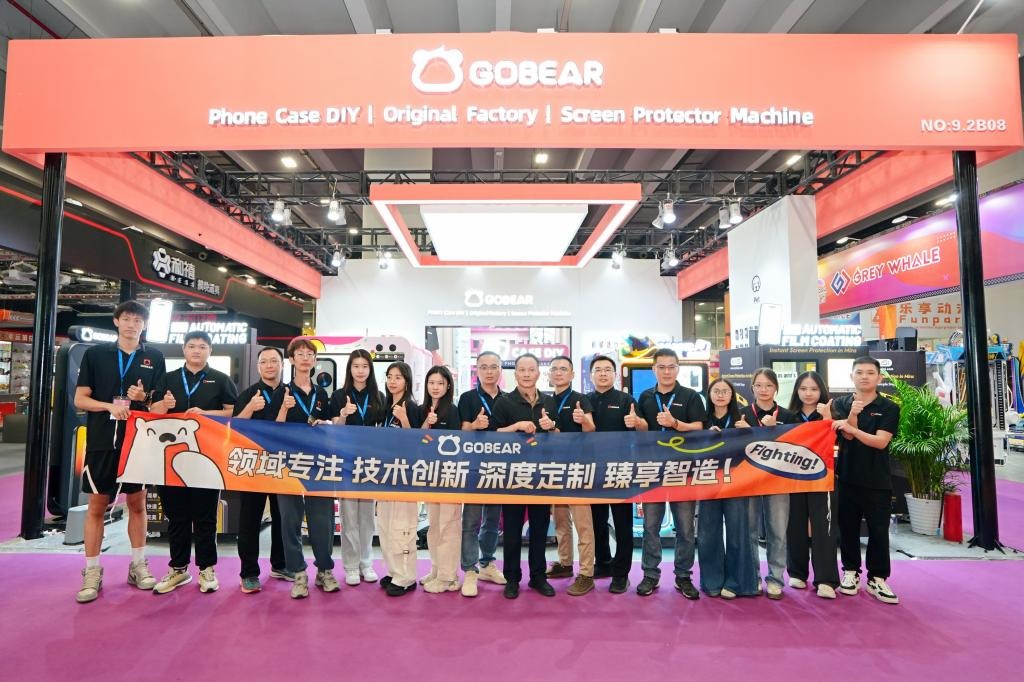
If you are ready to enter this market with the best hardware available, Gobear is your answer. As a specialized manufacturer of phone case vending machines and automatic screen protector machines, we build the exact kind of high-tech, high-engagement assets described in this guide.
👉Partner with us to unlock the full potential of your automated retail business.
Think of unmanned stores as a heavy lift—high rent, complex security, and a big footprint. Smart vending machines are your "retail special forces." They fit in tiny, high-traffic spots (under 20 sq. ft.) and cost a fraction to launch. If you want flexibility and lower initial risk, smart vending is the smarter play.
Smart technology is a game-changer for vending machine profitability. By managing inventory remotely, you slash labor costs. Plus, accepting digital payments captures more sales. If you target high-margin niches like phone cases instead of $1 sodas, you’re often looking at gross margins of 40-60%. It turns a passive box into a lean revenue engine.
Zoning Permit: Depending on where you plan to place your vending machines, zoning regulations may require specific permits to operate in those locations. Additional Local Licenses: Some local governments may have their specific licensing requirements, so it's crucial to check local ordinances.
Cashless systems such as Apple Pay, Google Pay, and tap-to-pay cards rely on an internet connection. While some machines use cellular data, many use Wi-Fi to enable these services. Therefore, if your goal is to offer fast and secure digital payments, the answer to do vending machines need Wi-Fi is yes, absolutely.
The Internet of Things (IoT) can be categorized into four main types: Consumer IoT, Commercial IoT, Industrial IoT (IIoT), and Infrastructure IoT. Consumer IoT includes devices like smart home gadgets, wearable technology, and personal health trackers, enhancing everyday convenience and personal well-being.
Tell us about your business goals, and our experts will provide a tailored solution and a detailed profitability report. Let's start building your new revenue stream together.