How Much Money Do I Need to Start a Phone Case Business in USA
Phone Case Business Startup Cost: Explore investment from $500 (POD) to $284K (retail). Get B2B cost models and rapid RO...

I'm the COO of GOBEAR. We help entrepreneurs, mall operators, 3C mobile stores, event venues, and campus retailers tap into high-margin, low-maintenance vending models.
The Phone Case Vending Machine Market Trends in Australia 2026 reveal a critical challenge: achieving sustainable profitability amidst high capital costs and rapid product obsolescence. Without precise market insight, investments risk becoming operational liabilities.
This analysis evaluates market landscape projections up to USD 3.99 billion by 2030, alongside operator break-even timelines of 12-18 months. We detail strategic placements and technology integration to guide your investment toward scalable, high-yield outcomes.
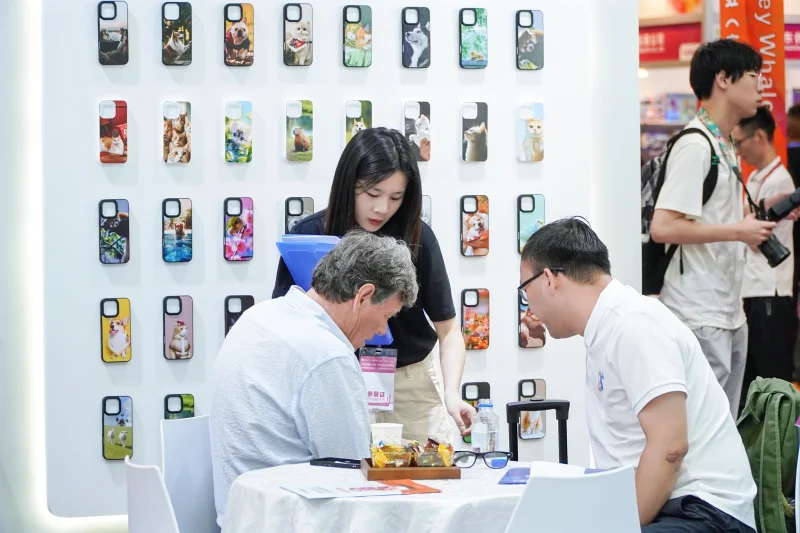
Australia's phone accessory market is growing steadily, driven by high smartphone use, demand for protective cases, and expanding automated retail channels like vending machines.
Australia’s phone accessories market is a mid-sized segment experiencing steady growth. It benefits from high smartphone penetration and robust demand for protective cases. Also, online retail and automated channels, like phone-case vending machines, are expanding quickly.
The Australian mobile phone accessories market grew at an estimated 5.2% CAGR from 2020 to 2026. This shows stable but mature growth. Assessments indicate the market size is around USD 1.9 billion in the mid-2020s. Projections show it will reach about USD 2.85 billion by 2033, growing at a 4.7% CAGR (2025–2033).
Another forecast places Australian mobile phone accessories at USD 3.99 billion by 2030, with a 4.2% CAGR (2024–2030). These figures point to low-to-mid single-digit growth through the second half of the decade.
Australia's growth rate is moderate compared to the global mobile accessories market, which expects 6–8% CAGR through 2030–2035. This moderate growth reflects a high-income, high-penetration market where value comes from premium products and accessory replacements, not first-time smartphone adoption.
These growth rates create a stable but competitive environment for phone-case vending machine operators. Success depends on optimizing location, product mix, and pricing rather than explosive volume growth.
Smartphone ownership exceeds 90% of the Australian population, making it one of the most saturated markets globally. 5G is becoming the default network standard. This drives frequent device upgrades and steady demand for new cases, screen protectors, chargers, and audio accessories.
Accessory demand links closely to shortening device replacement cycles and growth in premium smartphones. Premium phones typically correlate with higher spending on premium cases, tempered glass, and branded accessories.
Globally and in Australia, the phone accessories market covers protective, power, audio, connectivity, and wearable categories. Here’s how phone cases fit in:
Phone cases remain a core, high-volume, moderate-margin category. They are essential for every new device. Cases also play a central role in fashion-oriented customization, making them ideal for impulse purchases in vending environments.
Several demand drivers shape the Australian market for phone accessories:
The market faces pressure from low-quality counterfeit accessories. These restrain growth and erode consumer trust. However, premium brand pricing creates an opportunity for mid-priced, quality cases and non-luxury brands.
Global trends also influence Australia. Wireless audio and charging, fast charging, and premium protective cases with aesthetic designs are examples. These trends suggest multi-category vending, including cases, cables, and power banks, and stocking universal accessories like USB-C cables.
Consumers want personalized phone cases for self-expression. This drives higher willingness to pay and stronger impulse buys, making vending relevant.
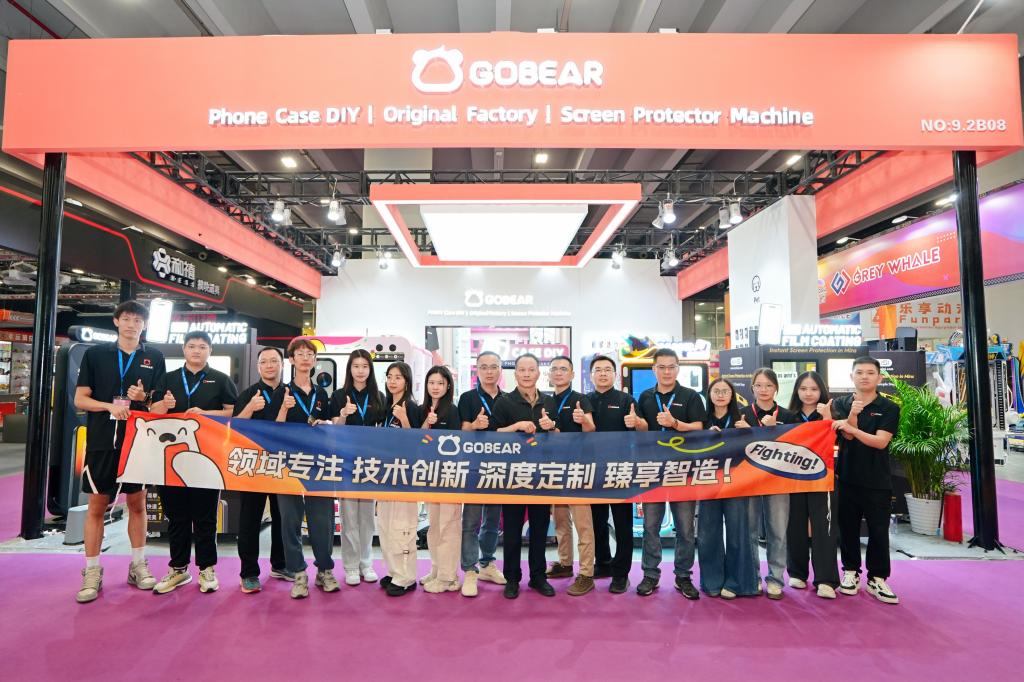
Australian shopping centers in 2026 are stable, experience-focused, and digitally integrated environments. Phone case vending can fit as high-convenience tech fixtures, capitalizing on mobile use and changing visitor patterns.
Australian retail sales are strong, nearing $443 billion and projected to hit $530 billion by 2030. This growth comes from population, jobs, and income increases. Shopping center vacancy rates are dropping below 5%, with almost 60% of centers already at that level. Investment in retail property has recovered strongly, with 2025 volumes at record highs. Institutional buyers show renewed interest.
Neighbourhood centers delivered +9.4% annual returns over the last decade, driven by strong rent growth. For phone case vending machines, this means robust, stable foot traffic. Space is more valuable due to high occupancy and strong retail turnover, which is good for high-margin, small-footprint vending concepts.
Physical stores now focus on experiences and services, even as in-store purchases are projected to decline from 45% (2024) to 41% (2026). Retail growth centers on top-performing venues, with tenant mix and experience-led retail driving foot traffic and sales. Phone case vending machines that offer instant availability and convenience fit this repositioning. They work well near tech stores, entrances, food courts, or click-and-collect hubs for impulse buys.
Regional malls consistently show positive re-leasing spreads. They expect around 9% annual investment returns from 2026 to 2028, supported by rent growth. Occupancy costs for fashion and services are about 2.5 percentage points lower than pre-2020, allowing landlords to increase rents at mid-single-digit rates through 2026. Regional centers are high-footfall, high-rent environments where every square meter is carefully managed.
For phone case vending machines, these centers offer maximum exposure. However, they require strong turnover productivity per square meter, alignment with the center’s experience-oriented approach, and clear data on conversion and sales to justify space. Neighbourhood centers, the best-performing retail asset class, also track mid-single-digit rent growth. These centers are essential services hubs, providing steady local traffic at lower rents. Machines here can target immediate replacement demand near supermarkets and telco kiosks.
Mall traffic has increased through 2025, with indoor mall visits up 1.8% and visit duration up 3.3% year-on-year. Malls are becoming destinations for entertainment and socialization. Longer dwell times create more impulse purchase opportunities for tech accessories, especially near entertainment precincts, food courts, and transport paths. Vending machines must appear as "on-brand" fixtures: visually clean, well-lit, and digitally integrated.
Retail sales expect growth of about 2.3% in 2026 and 2.6% in 2027 as wages improve. Most retail executives (96%) expect revenue growth, and 81% expect margin expansion. Consumers are selective, value-conscious, and discerning with their spending. Phone case vending offers value through convenience and time-savings. Product and pricing strategy should highlight durability, protection, style, personalization, and transparent material information.
Ecommerce accounts for a large share of Australian retail, reaching $82.6 billion in 2025, a 14% year-on-year increase. It represents 24% of total retail activity. About 9.8 million households shopped online in 2025, and 41% purchase every two weeks. Shoppers use their mobiles frequently in stores, checking social media and marketplaces before buying. This means machines need to support mobile payments like Apple Pay and Google Pay. QR codes or NFC can link shoppers to extended catalogs and compatibility checks. Shopping centers will favor concepts that bridge online and in-center journeys.
Australian consumers in 2026 prioritize relevance, control, and trust. Three-quarters expect personalized shopping experiences, and 60% are frustrated by irrelevant offers. Consumers trust brand-owned environments and established retailers most. Phone case vending in shopping centers needs clear branding. It must offer model-specific recommendations and transparent refund information.
Australian retailers are moving toward unified commerce, integrating POS, ecommerce, mobile apps, and loyalty systems. AI and autonomous agents personalize offers, optimize inventory, and improve efficiency. Retailers also expand into new revenue streams. Vending machines are inherently autonomous retail assets. Shopping center trends favor low-staff, data-rich formats that integrate with center apps. They use dynamic merchandising and AI recommendations. Centers likely respond well to vending operators who share anonymized sales data, supporting wider analytics.
Lower occupancy costs in fashion and services allow landlords to increase rents at mid-single-digit rates through 2026. Property owners focus on tenant mix optimization. Top-performing centers are "managed ecosystems" where each tenant adds category coverage, supports differentiation, and enhances convenience. Space will likely be offered as kiosk or micro-tenancy licenses in high-traffic nodes, or as part of a "digital convenience" cluster. Operators should demonstrate strong sales density, low operational friction, and high aesthetic alignment.
Mixed-use integration in retail properties is a clear trend. Shopping centers are becoming destinations that combine retail, leisure, and services, focusing on "real value" experiences. Mixed-use and longer dwell patterns increase evening and weekend foot traffic. This makes 24/7 vending solutions attractive in transit-linked centers or those connected to residential towers. Phone case vending machines can serve late-night "emergency" needs or tourist demand near transport hubs. Flexible fulfillment, including click-and-collect, is becoming standard. Centers are used as last-mile logistics nodes. Phone case vending machines near click-and-collect counters can capture shoppers needing a case when picking up new devices or those wanting an instant solution.
Phone case printing in 2026 uses advanced UV and smart materials, with vending machines integrating AI and interactive features like dynamic QR codes and NFC.
Australia's phone case vending market has prime location opportunities in high-traffic urban areas, educational precincts, and transport hubs. Strategic placement and operational efficiency are key for success.
| Category | Details (2026) |
|---|---|
| Major Metro Regions | Sydney, Melbourne, Brisbane, Gold Coast, Perth, plus second-tier cities like Adelaide, Canberra, and Hobart. These areas offer high population density and growth. |
| Shopping Centres and Malls | High foot traffic, shoppers already ready to buy, and long dwell times, especially near mobile retailers or fashion zones. |
| Airports and Major Transport Hubs | Attract high-value travelers, frequent device users, and provide strong impulse purchase opportunities, particularly in international terminals and CBD transit stations. |
| Universities and Educational Precincts | Cater to a young, tech-savvy audience with high smartphone dependence and a frequent need for case replacement due to fashion or damage. |
| CBD Office Towers and Co-Working Spaces | Serve professionals who rely heavily on their phones, driving demand for tech accessories. Large corporate sites provide consistent traffic. |
| Tourist Attractions and Entertainment Venues | Visitors often seek souvenirs and custom memorabilia, making these ideal for location-specific case designs. |
| Large Residential Complexes and Student Accommodation | Offer high-density living with 24/7 access needs. Residents frequently upgrade cases for aesthetic or practical reasons. |
| Gyms, Fitness Centres, and Sports Facilities | Attract active users prone to phone drops during workouts, creating demand for durable and protective cases. |
| Hospitals and Medical Centres | Experience constant traffic and long dwell times for patients, visitors, and staff, who may need quick phone protection. |
Operating phone case vending machines in Australia comes with clear hurdles. Operators face pressure from high costs, rapid product changes, tough competition, and constant need for reliable tech and site access.
High upfront capital costs are a big barrier. Smart, automated vending systems use expensive hardware, payment modules, and connectivity. Industry reports show these high installation costs limit intelligent vending machine adoption.
Ongoing maintenance and service costs are also significant. Vending success depends on machine uptime, quick replenishment, and fast fault resolution. Australian operator guidance stresses keeping machines running, maintaining service logs, and having clear issue-resolution processes.
Vandalism and theft remain a real challenge. This is especially true for unattended machines in high-traffic or poorly monitored spots. Reports on intelligent vending specifically flag security theft and vandalism as a major market constraint.
Cashless-payment reliability is essential. The market is moving toward contactless and cashless transactions. Payment failures, connectivity issues, or slow refunds quickly damage trust and stop repeat use. Global vending research points to inconsistent cashless performance as a common consumer pain point.
Site acquisition and landlord approval can be tough. Phone case vending machines need specific locations. Profitable placement usually means access to airports, malls, transport hubs, offices, or universities, or other high-footfall sites. Australian operator guidance emphasizes strong site agreements before launch.
Energy consumption and operating efficiency affect profits. This is true especially for smart vending machines with digital displays, connectivity, or cooling features. Industry reports identify high maintenance and energy consumption costs as market constraints.
Insurance and loss exposure can be higher than in staffed retail. Unattended machines concentrate cashless equipment, inventory, and sometimes cameras in public spaces. This increases the need for theft, damage, and liability controls.
Product fit and inventory risk are especially important for phone case vending. A phone case is not a universal consumption item like snacks or drinks. Demand varies by phone model, design, and price. Operators face a higher risk of mismatched stock, slow-moving inventory, and limited rotation compared with other vending categories.
Rapid device-model turnover increases obsolescence risk. Phone cases are highly device-specific. Inventory becomes unsellable when new handset models dominate demand. This forces operators to refresh assortments often.
Consumer preference shifts toward sustainability and quality limit sales if the assortment is generic or low-quality. Australian vending market analysis notes pressure to adapt to changing consumer preferences, including healthier and more sustainable offerings. For phone cases, this means demand for durable, attractive, and potentially eco-friendly materials.
Pricing transparency and consumer protection compliance matter. Australian Consumer Law applies to vending. This requires clear product descriptions, pricing, and complaint handling. Operator guidance also recommends visible contact details and straightforward refund processes.
Privacy and surveillance compliance becomes relevant if machines use cameras or capture customer data through cashless systems. Operators may need a privacy policy and must understand surveillance-consent rules.
Regulatory compliance adds complexity. This includes Australian product safety rules, licensing requirements, consumer law obligations, and food-handling rules for any bundled or promotional items.
Market competition from alternative retail channels is a practical challenge. Phone cases are available through kiosks, electronics stores, convenience stores, marketplaces, and online delivery. Vending must compete on immediacy, convenience, and location, not just price.
Urban concentration of demand limits expansion. Vending growth is strongest in high-traffic urban and semi-urban areas. Lower-density locations often have weaker demand and slower payback periods.
Consumer trust issues reduce repeat usage if prices are unclear, product information is limited, or refund handling is slow. These pain points are common in vending market research. They are especially important for premium accessory purchases like phone cases.
Technology obsolescence is an ongoing risk. Smart vending features, payment systems, and telemetry need periodic upgrades to stay competitive. Australia’s vending market is advancing technologically, but that also increases the cost of staying current.
Macro market growth does not remove local execution risk. The Australian vending market will grow from USD 445.8 million in 2025 to USD 631.3 million by 2034 at a 3.82% CAGR. But market-level growth does not eliminate the unit-level challenges for niche accessory vending operators.
Phone case vending will see gradual niche growth through 2030. Success relies on smart operations, strategic placement, and curated product mixes.
Phone case vending machines should experience gradual niche growth through 2030. This growth will align with Australia’s broader vending market expansion, not as a mass-market channel.
Exception-based servicing and data-led replenishment are becoming vital in 2026 vending operations. This benefits small-accessory vending where SKU accuracy and stock visibility are key.
Best locations include airports, train stations, shopping centres, universities, hospitals, office precincts, hotels, and entertainment venues. These high-convenience environments are central to core vending.
A curated selection of high-turnover phone cases, possibly with screen protectors, charging cables, adapters, and SIM accessories, will likely perform best. This reflects demand for diverse product variety and specialty offerings.
By 2030, successful machines will likely need cashless payment, anti-theft design, live inventory monitoring, and touch-based product selection. This aligns with broader smart-vending trends and the need to reduce servicing costs.
Demand for personalized phone cases in Australia is increasing, driven by rising smartphone penetration, fashion-oriented consumers, youth preference for unique designs, and the growth of local and global print-on-demand (POD) services targeting the Australian market.
Australia’s best-opportunity cities for phone case vending machines in 2026 are the largest, densest, and most foot-traffic-heavy metros: Sydney, Melbourne, Brisbane, Perth, and Adelaide, with tourist-focused precincts and transport hubs offering the strongest site economics inside those cities.
Australia’s phone case vending machine market in 2026 is tightly linked to shopping-centre locations, but shopping centres are no longer the only or universally “best” sites. They remain high-performing anchor locations, while transport hubs, universities, CBD mixed‑use precincts, and lifestyle destinations are emerging as equally attractive or better for specific target segments.
Cashless payments are critical to revenue, customer uptake, and operational efficiency for phone case vending machines in Australia by 2026, and are effectively a baseline requirement rather than an optional feature.
Consumers in Australia in 2026 are driving phone case vending machine sales through a combination of on‑the‑go convenience, personalization, smartphone ubiquity, and strong adoption of smart, cashless vending technology, especially in high‑traffic urban locations.
Australian customers show clear willingness to pay premium prices for phone cases, particularly when purchases are convenient, branded, personalized, and aligned with device-protection needs in high-traffic environments such as phone case vending machines.
AI-driven customization is becoming a core differentiator for phone case vending machines in Australia by enabling real-time design generation, personalization at scale, dynamic merchandising, and data-driven optimization of locations and product mixes by 2026.
Australia’s phone case vending machine market in 2026 is experiencing increasing competitive intensity, driven by overall vending market growth, rising smart/contactless machine penetration, and more operators and retailers entering automated phone accessory retail.
The most important machine features for phone case vending machines in Australia in 2026 cluster into four domains: revenue‑driving functionality, user experience, operator efficiency, and compliance/operational risk control.
A phone case vending machine in Australia typically sells a mix of core protection accessories, charging/power products, and add‑on personalisation or gifting items alongside phone cases, with assortments optimised for high‑traffic retail, transport, tourism, and entertainment locations.
Phone case vending machine operators in Australia in 2026 can typically reach break-even within 12–18 months and consistent profitability within 18–24 months, with top-performing locations achieving payback in as little as ~12 months.
The long-term outlook for Australia’s phone case vending machine market is positive but moderate, with growth likely to track the broader Australian vending machine market rather than expand explosively on its own. Australia’s overall vending machine market is projected to rise from USD 445.8 million in 2025 to USD 631.3 million by 2034, implying a 3.82% CAGR from 2026 to 2034; this suggests a steadily expanding base for niche vending formats such as phone case machines.
Entering Australia's phone case vending market presents clear growth opportunities, but consistent success is not accidental. High capital costs, rapid inventory changes, and fierce competition demand a strategic, data-driven approach beyond just placing machines. A tested operational framework is your best defense against capital waste and missed market potential. Protect your investment by refining your strategy. We can help translate this market intelligence into a concrete operational plan for your specific locations. Contact us to discuss a strategic review and map out your path to profitable expansion.
Share your business vision with us. Our automated retail experts will craft a tailored strategy and a comprehensive profitability report to unlock your next revenue stream.