Is the Phone Case Market Growing in Mexico
The question, 'is the phone case market growing in Mexico?', demands a strategic answer. Despite clear growth, fierce competition and rapid product cycles create operational bottlenecks, squeezing margins for distributors.
This analysis details Mexico's market trajectory. It projects mobile accessories will reach $2.224 billion by 2034, with protective cases capturing a significant share. We evaluate critical factors like 35% consumer price sensitivity and rapid model turnover, ensuring your strategy delivers scalable results.
Overview of Mexico's Smartphone Market
Mexico's smartphone market is large and growing, driven by widespread adoption and fierce vendor competition. This creates a strong foundation for phone case and mobile accessory sales.
Market Trajectory and Widespread Adoption
Mexico’s smartphone market shows strong, steady growth. Shipments are forecast to hit 23.5 million units in 2025, then climb to 30.5 million units by 2034. That's a compound annual growth rate of 2.86% from 2026 to 2034.
Smartphone ownership is widespread, with about 80% of Mexicans owning a smartphone. It's Latin America's second-largest mobile market after Brazil. The market has good short-term momentum. Q2 2024 saw smartphone sales increase 26% year-on-year, marking four straight quarters of growth.
Mexicans spend over 4.8 hours daily on their smartphones for internet, social media, messaging, entertainment, and photography. This heavy use means more wear and tear, boosting demand for protective and aesthetic cases. Young users’ focus on social apps also fuels demand for fashion-oriented cases.
Vendor Competition and Device Ecosystem
The Mexican smartphone market is highly competitive. Q2 2024 vendor shares show Samsung at 21%, Xiaomi at 18%, Motorola at 14%, OPPO at 11%, and ZTE at 10%. This intense competition results in frequent product launches.
Android overwhelmingly dominates the OS landscape, holding 88-91% of the market. iOS typically accounts for 5-9% of share. This dominance means a need for wide model coverage across many Android brands for case manufacturers. But, the iOS segment offers a profitable niche for premium accessories.
Market growth is driven by demand for cost-effective, feature-rich mid-range and affordable smartphones. For phone cases, this implies high unit demand for affordable cases and screen protection for budget and mid-range devices. It also presents a rising opportunity for higher-end cases as consumers increasingly value advanced features and premium aesthetics.
Size of the Phone Accessories Industry
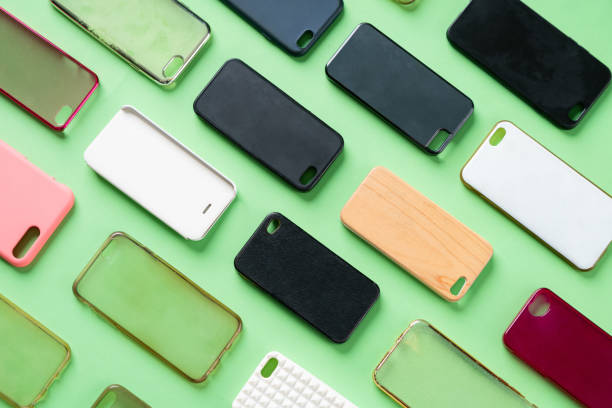
The global phone accessories market should hit $101-109 billion by 2026, then $139-190 billion by 2032-2035. Growth is steady, with protective cases leading. Mexico's market is also expanding fast.
Global Market Valuation and Growth Projections
The global phone accessories market is on track to reach about US$ 101 billion to US$ 109 billion in 2026. This shows a market that keeps growing.
Analysts predict more growth. The market will expand to between US$ 139.2 billion and US$ 190.09 billion by 2032-2035.
This industry maintains a strong compound annual growth rate (CAGR), forecast at 4.9% to 6.4% from 2026.
Protective cases are a big market segment. They are expected to grow at a 6.5% CAGR through 2035. This confirms their ongoing demand.
Key Growth Catalysts and Mexico's Market Dynamics
More people buying smartphones globally increases demand for accessories. These items are vital for device protection and making phones unique.
New accessory technology and wider e-commerce reach boost market growth. Consumers also find it easier to get these products.
Core accessory products include protective cases, charging solutions, cables, audio devices, portable power banks, and screen protectors. Protective cases hold the top spot.
In Mexico, the market shows strong business growth. One company saw a 500% revenue increase over four years. This points to solid local expansion.
Mexico's market follows global trends. High smartphone use and frequent online accessory purchases fuel this growth.
The phone case market in Mexico benefits from the overall accessory industry's growth. Fashion trends, competitive prices, and the basic need for device security all play a part.
Boost Profits: Custom Phone Cases, 30-Day Payback.
Achieve rapid ROI with our AI-powered vending machines, designed for high-traffic locations. Benefit from robust Epson printheads, 3-year warranty, and cloud management with no monthly fees.
Calculate Your Profit Now →
Growth of Personalized Phone Cases

Personalized phone cases drive significant growth in Mexico's mobile accessories market, offering strong margins through unique designs and e-commerce.
Market Landscape and Growth Factors by 2026
Mexico's mobile accessories market is expanding, and personalized phone cases are a core part of that growth. By 2026, we see clear drivers.
- The Mexican mobile accessories market is on track to reach $2,224.0 million by 2034, with a 4.47% CAGR from 2026.
- Personalization, including unique colors and designs, directly fuels market expansion.
- E-commerce channels support growth, offering wider selection and efficient delivery.
- Cases are now fashion accessories, not just protective gear.
- More smartphone users and consumer preference for visual identity, especially among young buyers, accelerates this trend.
Key Strategic Opportunities for Personalized Cases
Personalized cases offer distinct advantages, including higher profitability and specific market evaluation needs.
- Personalized cases often deliver better profit margins. Customers value unique options more than generic ones.
- The business model works well because production costs are relatively low, but final prices are higher.
- Evaluating the market involves looking at smartphone user numbers, online sales channels, and your ability to make your products stand out.
- Operational success comes down to quick delivery, good material quality, and print durability.
Key Consumer Buying Trends
Consumers want phone cases that protect, express their style, and offer value. Online platforms and personalization drive purchase decisions, alongside emerging tech and eco-conscious trends.
Evolving Consumer Motivations: Balancing Protection with Style and Value
Protection is a fundamental need. Users see phones as expensive and vulnerable, so they often look for robust solutions.
Protective features, such as shockproof and drop-resistant designs, are widely sought, especially for flagship devices.
Cases also function as fashion and lifestyle accessories. They reflect personal identity and signal status.
Consumers frequently purchase multiple cases to match outfits, moods, or specific contexts.
Price significantly influences purchase decisions. Consumers weigh cost against protection, design, and durability.
Silicone/TPU is a dominant material choice because of its grip, shock absorption, wide variety, and affordability.
Other popular form factors include ultra-thin, wallet/folio, rugged, and transparent cases. These cater to diverse user needs.
Digitalization and Emerging Trends Shaping Purchase Decisions
Online platforms are a major growth driver. They offer extensive design variety and easy customization tools.
Social media, like Instagram and TikTok, serves as a primary channel for product discovery and direct sales.
Personalization, through custom printing of names, photos, or logos, is a significant trend. It supports identity expression and gift-giving.
Technology integration, like MagSafe compatibility, is increasingly sought by premium device owners for enhanced functionality.
Demand exists for cases supporting wireless charging and featuring raised bezels for camera protection.
Eco-friendly and sustainable materials, while niche, represent a growing segment for urban, conscious consumers.
The market shows both strong online growth and continued reliance on offline retail for impulse buys and immediate protection needs.
Best Sales Channels in Mexico
Mexico's phone case market offers various viable sales channels. No single channel dominates, allowing diverse strategies from wholesale plazas to direct-to-consumer online brands.
Primary Sales Channels and Their Characteristics
The phone case market in Mexico uses several main channels, each with a distinct role. We see a mix of physical and digital routes, serving different price points and customer segments.
- Physical Retail Markets and Specialized Plazas: In major cities, "plazas de tecnología" are central. They serve as both sourcing hubs for small retailers and direct retail points for consumers looking for low prices and wide variety. Places like Plaza de la Tecnología in Monterrey or Plaza Teresa in Mexico City are packed with case sellers. These locations are crucial because they offer wholesale tiers and centralize logistics for importers, simplifying access for smaller merchants.
- Importers and Wholesale Distributors: Many small stores buy directly from key importers. These importers bring phone cases from Asia, then resell them to merchants in plazas or online. Building relationships with these players is vital for getting low costs, high variety, and new models quickly. Some large Mexican wholesalers also specialize in providing cases for smaller shops.
- Traditional Brick-and-Mortar Retail and Chains: This includes dedicated phone case chains, mobile operator stores, electronics chains, and repair shops.
- Dedicated Chains: Companies like La Casa de las Carcasas operate in malls, emphasizing design variety and personal style. They cater to fashion-oriented consumers and rely on both physical presence and online stores.
- Operator/Electronics Stores and Repair Shops: These outlets often stock cases for upselling. They capture sales when a consumer is buying a new device or getting one repaired, capitalizing on proximity and immediate need.
- E-commerce Marketplaces (B2C): Online platforms are a primary growth driver. Mercado Libre and Amazon Mexico offer wide assortments, price comparisons, user reviews, and nationwide delivery. They are effective for niche designs and specific phone models. Dropshipping models are also common here.
- Direct-to-Consumer (DTC) Online Stores: Brands like Burga MX operate their own websites to control branding, offer exclusive designs, and capture higher margins. These sites typically focus on mid- to high-end segments, emphasizing lifestyle and design. Conversion practices include mobile-optimized storefronts, local payment options, and fast shipping.
- Social Commerce and Live Selling: TikTok, Instagram, and Facebook are big for discovery and sales. Influencers and micro-sellers promote trendy designs, and many wholesale suppliers use these platforms to recruit resellers, often via groups or WhatsApp catalogs. This channel is powerful for new entrepreneurs with low initial capital.
Strategic Channel Selection and Operational Insights
Choosing the right sales channels depends on your business model and target audience. Understanding channel-specific operational considerations is just as important as identifying the channels themselves.
Here are some strategic approaches:
- Low-Cost / Volume Strategy: Target price-sensitive consumers and small resellers.
- Channels: Physical technology plazas, Facebook Marketplace, and WhatsApp.
- Operations: Source from local importers and wholesalers to ensure low costs. Focus on popular mid-range Android and iPhone models with broad appeal. Sell via kiosks, repair shops, or social media posts with local pickup.
- Fashion & Personalization Strategy: Target consumers willing to pay more for design and brand.
- Channels: Mall-based specialty chains like La Casa de las Carcasas, brand DTC websites such as Burga MX, and heavy use of Instagram/TikTok for branding.
- Operations: Emphasize design, branding, and storytelling. Introduce limited editions, collaborations, and seasonal launches. Utilize strong in-store merchandising and high-quality online visuals.
- Hybrid Marketplace + DTC Model: Maximize reach while building a brand.
- Channels: Marketplaces for volume and reach (especially for niche models and generic SKUs), combined with a DTC website for brand building and higher-margin items. Social media drives acquisition.
- Operations: Use marketplaces to test products and generate cash flow. Develop a strong brand identity and encourage repeat buyers to the DTC store. Consider dropshipping or local 3PLs to manage inventory risk.
- B2B Focus (Supplying Retailers and Repair Shops): Aim for stable, recurring orders from small retailers.
- Channels: Wholesale presence in technology plazas, social media (TikTok, Facebook groups) for reseller recruitment, and direct outreach to repair shops.
- Operations: Sell in lots, with minimum order values (e.g., 3,000 MXN+). Provide updated online catalogs and offer assortment packs to simplify purchasing for resellers.
Operational considerations in Mexico also play a big part. Increased control over imports, like requiring an RFC for shipments from platforms such as AliExpress, push many small sellers to buy from local importers. Consumer expectations include wide model coverage, an emphasis on personalization, and reasonable shipping times. The market is fragmented, with many micro-sellers alongside national brands, so differentiation comes from design, quality, and reliability.
For new entrants with limited capital, combining wholesale sourcing from local importers with social commerce is smart. Growing brands should add marketplace presence and a DTC website. Established players could expand mall-based stores or develop B2B wholesale programs. All strategies need strong alignment with smartphone release cycles and current aesthetics, using data from marketplaces and social platforms to refine product priorities.
Opportunities for Entrepreneurs
Developing Distinctive Product Offerings
Entrepreneurs can create unique products by focusing on personalized designs, eco-friendly materials, and feature-rich cases tailored to specific user needs in Mexico.
To succeed, entrepreneurs need to create products that stand out. Consider personalization, sustainability, and functionality to meet diverse consumer demands.
Niche Design and Personalization
Customization is a big growth area in phone cases. In Mexico, there is clear demand for distinct designs and colors. This presents opportunities for you to offer unique products.
- Print-on-demand cases: Use local themes like Mexican culture, regional teams, slang, or local artists.
- User-generated designs: Allow creators or influencers to host their designs and earn commissions.
- Small-batch limited editions: Use scarcity to justify higher prices.
Eco-Friendly and Sustainable Cases
Global trends show growing eco-consciousness, with demand for plant-based, leather alternatives, and recyclable plastics. Mexico's urban, younger consumers are starting to respond to sustainability arguments.
- Brand positioning: Build around "fundas sostenibles" with clear material claims.
- Take-back/recycling programs: Offer options for old cases.
- Partnerships: Work with eco retail stores, zero-waste shops, and green online communities.
Function-Rich and Lifestyle-Integrated Products
Demand for accessories with multifunctionality and smart integration is increasing. Think about features that solve specific user problems.
- Rugged/military-grade drop protection: Target construction workers, field staff, or motorcyclists.
- Wallet cases: Optimize for Mexican IDs, transport cards, or corporate badges.
- Magnetic/MagSafe-compatible cases: Capture this market as iPhone penetration increases.
- Content creator cases: Add mounts or grips for selfie sticks, tripods, and stabilizers.
Targeting Specific Segments
Consider attractive micro-segments in Mexico. Each group has specific needs you can address with tailored offerings.
- Students: Offer affordable but stylish and customizable cases.
- Gamers: Provide heat-dissipation, grip-enhancing, or trigger-friendly cases.
- Corporate clients: Secure bulk orders of branded cases for employees or promotions.
- Tourism hubs: Sell locally themed cases at airports, souvenir shops, or online targeting visitors.
Executing Strategic Market Entry and Business Models
Successfully enter the market by leveraging online-first strategies, exploring hybrid online/offline models, and targeting B2B opportunities for diverse distribution and consistent revenue.
Effective market entry and a solid business model are crucial. Mexico offers multiple avenues for distribution and sales, ranging from digital to physical, and B2B channels.
Online-First Strategies
Online channels show strong growth for accessories. Mexico's rapid e-commerce growth enables you to test products with minimal inventory and reach customers nationwide.
- Start with top marketplaces and a direct-to-consumer web store to build your brand.
- Use A/B testing on product titles, main images, and pricing to improve conversions.
- Leverage performance advertising platforms like Meta, TikTok, and Google, with creatives tied to specific phone models and use cases.
Offline and Hybrid Opportunities
Offline still accounts for a large share of accessory sales globally. In Mexico, significant volume moves through traditional channels. You can use these alongside online efforts.
- Open kiosks or pop-up stands in high-traffic malls and near universities.
- Supply phone repair shops, which often bundle case purchases post-repair.
- Arrange consignment with convenience stores and gadget shops.
B2B and Corporate Channels
Cases are widely used as corporate promotional items. Companies seeking branded giveaways or employee protection for corporate smartphones represent high-volume, predictable orders. This lets you standardize SKUs and optimize production.
Channel Combinations for Different Business Models
Consider these strategies depending on your goals:
- Low-cost/Volume Strategy: Target price-sensitive consumers and small resellers. Focus on physical technology plazas and markets, and use social media for neighborhood sales. Source from importers/wholesalers for low cost and variety.
- Fashion & Personalization Strategy: Target consumers paying more for design and brand. Use mall-based specialty chains and your brand's DTC website. Emphasize design, branding, and storytelling.
- Hybrid Marketplace + DTC Model: Maximize reach while building a brand. Use marketplaces for volume and your DTC site for brand-building and higher margins. Social media is your acquisition engine.
- B2B Focus: Secure stable recurring orders from small retailers. Have a wholesale presence in technology plazas and central markets. Use social media like TikTok and Facebook groups to recruit resellers.
Operational Considerations
Understand specific operational factors in Mexico:
- Regulation and Imports: Controls on direct small-parcel imports mean many sellers buy from local importers or make multiple small direct purchases.
- Consumer Expectations: Offer wide model coverage for Android and Apple devices, emphasize personalization, and provide reasonable shipping times.
- Competitive Landscape: Differentiate through design, quality, and reliability in a fragmented market.
Challenges New Businesses Face
New phone case businesses in Mexico wrestle with intense competition, short product cycles, and complex inventory management. They need strong brands and high sales volume to succeed in this fragmented market.
Desafíos Estratégicos y de Mercado
- Competencia intensa y muy fragmentada, con productos altamente comoditizados.
- Adaptación continua a tendencias de moda y diseño, con ciclo de vida corto de muchos modelos de fundas.
- Desafíos para incorporar sostenibilidad de forma rentable y creíble.
- Necesidad de construir marca y confianza en un mercado donde muchos jugadores compiten solo por precio.
- Segmentación y adaptación a la realidad socioeconómica y cultural mexicana, equilibrando precio, diseño y canal de venta.
Retos Operativos y Financieros
- Necesidad de manejar una gran variedad de modelos de celulares, complicando inventario y compras.
- Márgenes unitarios generalmente bajos, que obligan a buscar altos volúmenes de venta para que el negocio sea rentable.
- Retos de posicionamiento en comercio electrónico (visibilidad, reseñas, logística) y en canales físicos (costos, espacio limitado).
- Dependencia de importaciones y gestión de cadena de suministro internacional.
Market Outlook
Mexico's phone case market grows at 4.5–4.7% CAGR, driven by smartphone adoption, device cost, and personalization. Online channels are crucial, especially for premium and custom cases.
Market Fundamentals and Key Drivers
- The phone case market in Mexico is expanding, part of a mobile accessories market projected to grow at about 4.5–4.7% CAGR toward 2033–2034.
- Rising smartphone penetration and usage significantly contribute to this growth.
- Increased device prices and fragility create a strong incentive for consumers to invest in protective cases.
- Consumer desire for personalization, fashion, and customization drives demand and more frequent purchases.
- Online platforms and omnichannel retail are crucial for market expansion, offering broad selection and accessibility.
- Phone cases represent a large, core, and growing segment, making up around one-third of the mobile accessories market value.
Product Mix, Channels, and Future Outlook
- Affordable plastic and silicone back covers will continue to form the market's core volume.
- Faster growth is expected in premium, rugged, and designer/custom cases, particularly in online channels.
- Online marketplaces and direct-to-consumer webshops are gaining market share from traditional retail outlets.
- High competition exists in the low-price generic case segment. Opportunities for differentiation come from design, branding, functionality, and sustainability.
- Strategic considerations include precise model coverage and quick launches following new device releases.
- Key risks include intense price competition, the need for continuous design adaptation due to device changes, and macroeconomic impacts on consumer spending.
Final Thoughts
Mexico's phone case market clearly offers strong growth opportunities, but focusing solely on generic, low-cost imports brings intense competition and thin margins. Safeguard your business reputation and profitability by choosing curated products that deliver on quality, distinctive design, and specific consumer needs.
This approach lets you capture value beyond basic protection. Ready to secure your share of this expanding market? Our team can help you identify high-margin product lines and optimize your distribution strategy. Contact us today to discuss a tailored partnership that leverages market insights for your success.