GTI China Expo 2025 Benefits for Amusement Suppliers - GOBEAR
Attend GTI China Expo 2025 for global exposure, networking, and access to China's growing amusement market and manufactu...

I'm the COO of GOBEAR. We help entrepreneurs, mall operators, 3C mobile stores, event venues, and campus retailers tap into high-margin, low-maintenance vending models.
Starting a vending business is often marketed as the ultimate passive income stream. But before you buy your first machine, you face a critical legal question: Do you need an LLC?
The short answer is: No, you are not legally required to form an LLC to buy and operate a vending machine. You can start today as a sole proprietor.
However, the smart answer is: Yes, you almost certainly should. Operating without one exposes your personal assets to unnecessary risk. If your business faces a lawsuit or debt, your home, car, and personal savings could be taken to pay for it.
In this guide, we will break down the legal reality of the vending industry. We will also analyze how to build a business model profitable enough to justify the cost of legal protection.
When you start without filing paperwork, you are a sole proprietor. You and the business are the same person.
Pros: It’s free and instant.
Cons: If a machine tips over on a customer, you are being sued, not the company. Your personal bank account is fair game for settlements.
An LLC (Limited Liability Company) creates a legal barrier between you and the business.
Pros: If the business is sued or goes bankrupt, your personal assets are generally protected.
Cons: It costs money to set up. Filing fees and annual franchise taxes vary significantly by state.
Many new operators underestimate the liability in automated retail. It’s not just about selling chips. You are placing a heavy electrical appliance in a public space. Common risks include:
Physical Injury: A machine could tip over, or a customer could cut their hand on a retrieval door.
Product Liability: Expired food or foreign objects in a package can lead to illness claims.
Lease Requirements: High-traffic venues like malls and airports often require you to be an LLC. They will not sign a lease with a private individual. Operating as a sole proprietor limits you to lower-tier locations.
Here is the problem most new vendors face: The cost of protection eats their profits.
If you run a traditional low-volume snack machine, state fees can wipe out a significant portion of your earnings. For example, in states like California, the annual franchise tax alone is $800. This is a heavy burden for a machine selling low-cost items. It creates a "risk trap." Operators stay as sole proprietors simply because they can't afford to be legitimate businesses.
The Solution? Don't lower your protection; raise your revenue.
To build a scalable, legally protected business, you need to move beyond "penny profit" vending. You need a machine that generates high ticket values. This means turning micro-transactions into premium retail sales.
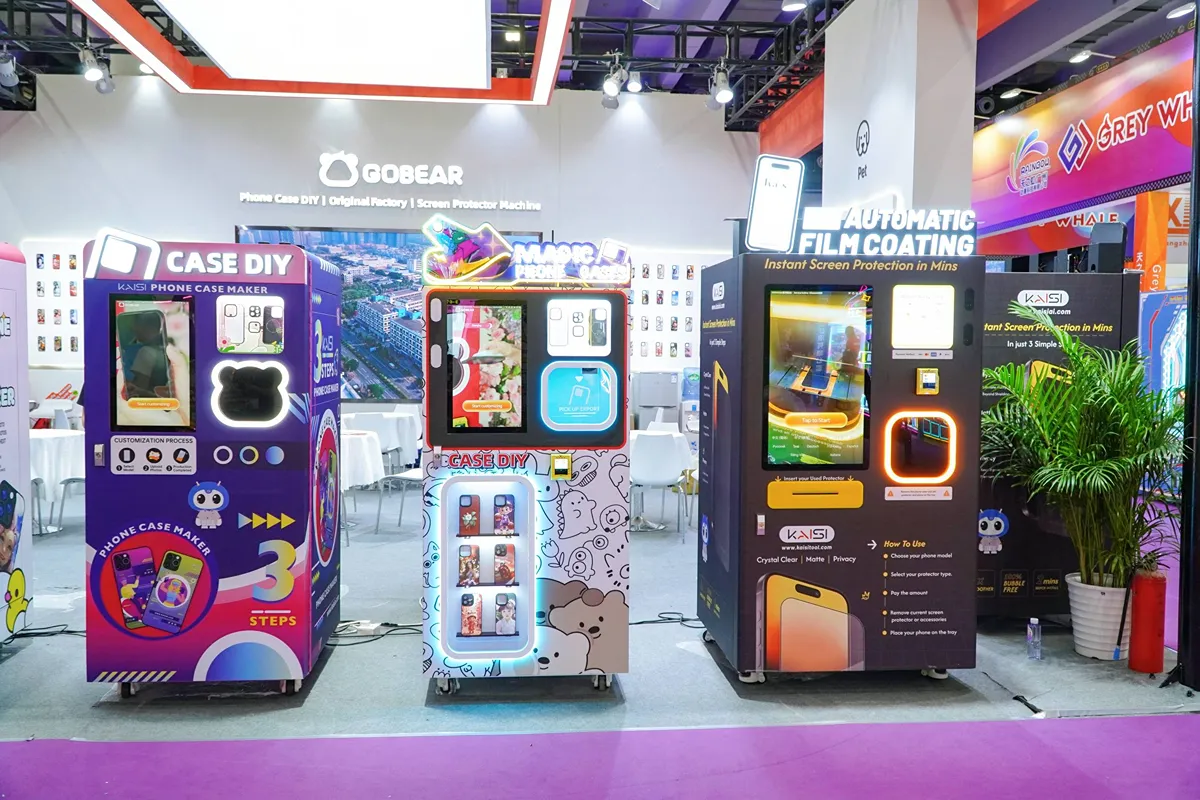
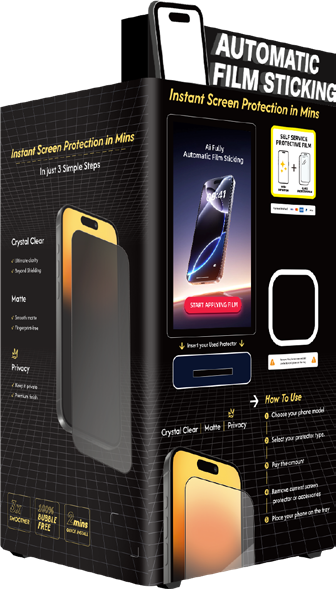
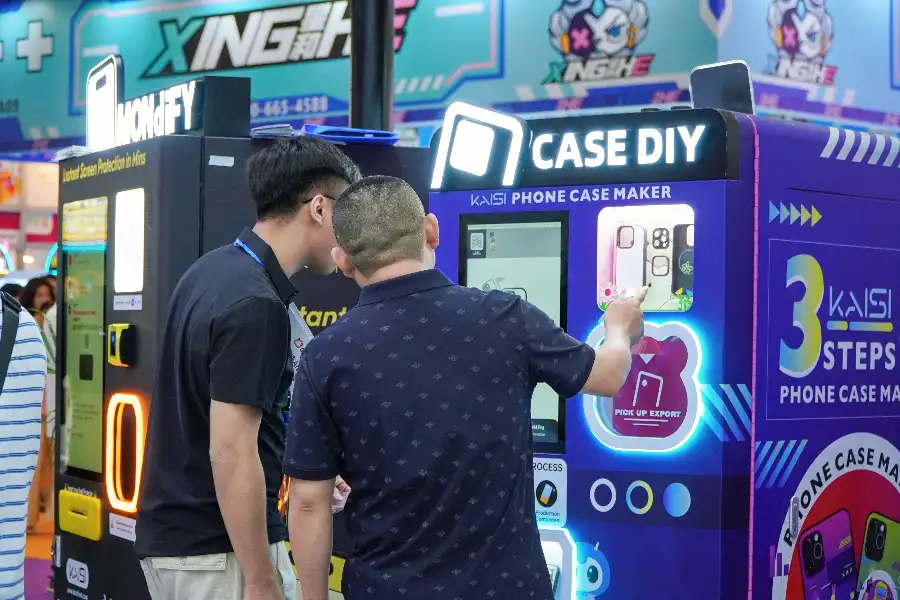
This is where next-generation automated retail, like GOBEAR’s lineup of custom phone case vending machines and screen protector vending machines, changes the math. By shifting your focus from low-cost snacks to high-value tech accessories, you create a revenue stream that easily absorbs legal and operational overheads.
Integrating high-end vending machines solves the LLC cost dilemma by drastically increasing your average ticket value (ATV).
Traditional vending competes on price. If you raise the price of a standard snack too high, people walk away.
In contrast, GOBEAR machines operate in the "custom retail" sector. You aren't selling a commodity. You are selling a personalized experience.
Traditional Vending: Relies on high volume to compensate for thin margins. Operators also face losses from expired food and strict health regulations.
GOBEAR Vending Machines: Capitalizes on the high perceived value of personalized tech accessories. Since phone cases and screen protectors don't expire, you eliminate spoilage costs and food safety liability entirely.
Selling a single personalized item can generate the same net profit as a high volume of snack transactions. This robust cash flow easily covers your LLC overhead and insurance costs, allowing you to operate safely.
Why are customers willing to pay a premium? Because of the AI design assistant.
Standard vending is passive, but GOBEAR machines are active. The built-in AI tools let customers with no design skills create professional, unique phone cases in minutes.
The Upsell: People value what they create. A standard accessory commands a basic price. However, a product they designed with their pet's photo or AI-generated art commands a premium.
The Experience: The machine guides users through a simple 6-step journey. It culminates in a rapid UV printing process that is entertaining to watch.
An LLC protects your assets, but smart cloud management protects your time.
One of the biggest risks for sole proprietors is burnout. Trying to manually check inventory for multiple machines is exhausting. GOBEAR’s IoT-enabled platform allows you to:
Manage Remotely: Update pricing, check ink and material levels, and monitor sales from your phone.
Zero Cash Risks: Integrated cashless POS systems reduce the risk of theft and vandalism associated with coin-operated machines. This further lowers your liability profile.
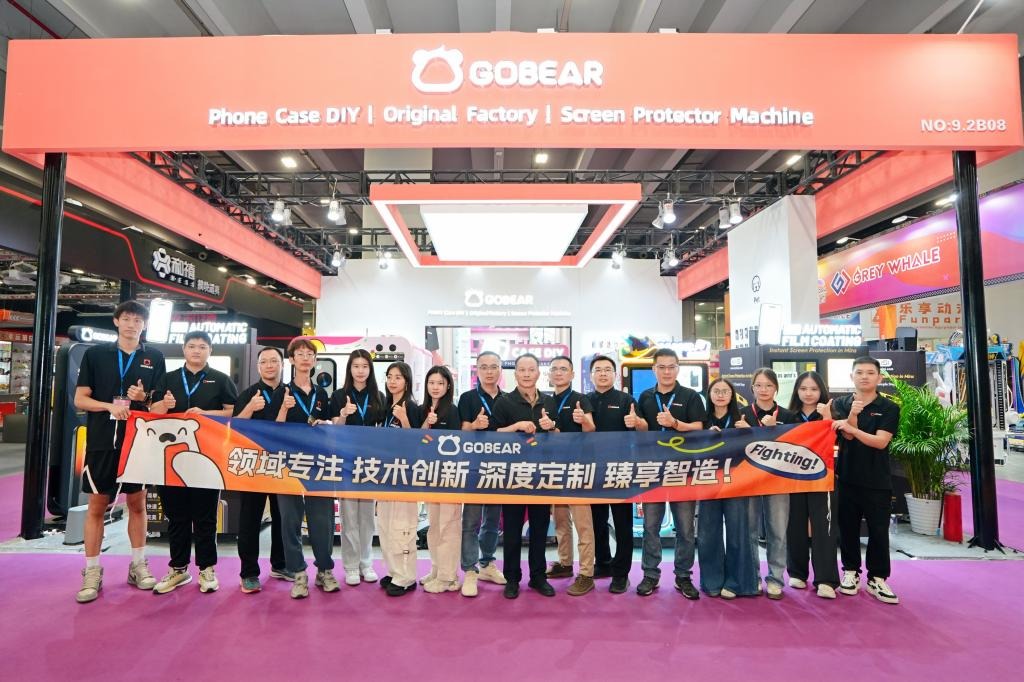
So, do you need an LLC? Yes. If you are serious about this business, you cannot afford to risk your personal future over a lawsuit. Furthermore, you will need an LLC to secure the best high-traffic locations.
But equally important: Do not start a business that can't support its own legal structure.
By choosing a high-margin vehicle like GOBEAR instead of a low-margin snack route, you solve the financial headache of "going legal." You build a business that is not only protected by an LLC but also funded by premium sales.
Ready to build a vending business that makes sense?
Contact us today to request a profitability analysis. We’ll show you how a GOBEAR solution can cover your startup costs and generate real, scalable ROI.
Yes. Think of the LLC as your business's "identity" and the license as your "permission slip." The good news? Selling non-food items like phone cases typically faces fewer health department hurdles than selling snacks, making compliance much easier.
Absolutely. Thanks to tax codes like Section 179 in the US, you can often write off the entire purchase price of equipment in year one. It’s a massive deduction that can offset startup costs and lower your taxable income immediately.
Premium spots like malls usually demand a $1 million general liability policy. Don't worry—insurers prefer covering LLCs over individuals, so being a proper business actually makes getting approved for these high-traffic venues much easier.
Yes, it's non-negotiable. If you mix personal cash with business revenue, you break your liability protection (known as "piercing the corporate veil"). Open a business checking account on day one to keep your personal assets safe.
You can, but it’s a logistical nightmare. You’d have to transfer every contract, lease, and insurance policy to the new name. It is far smarter to set up your LLC first so you can scale without drowning in paperwork later.
Tell us about your business goals, and our experts will provide a tailored solution and a detailed profitability report. Let's start building your new revenue stream together.