GTI China Expo 2025 Highlights for Amusement Industry - GOBEAR
Explore key innovations and top exhibitors shaping growth at GTI China Expo 2025 in the amusement industry.

I'm the COO of GOBEAR. We help entrepreneurs, mall operators, 3C mobile stores, event venues, and campus retailers tap into high-margin, low-maintenance vending models.
If you’re considering investing in a vending machine, one of the first questions you might ask is how long will it last? The lifespan of a vending machine affects your return on investment, maintenance planning, and long-term profitability. In this guide, you’ll learn how long vending machines typically last and what factors can extend or shorten their service life.
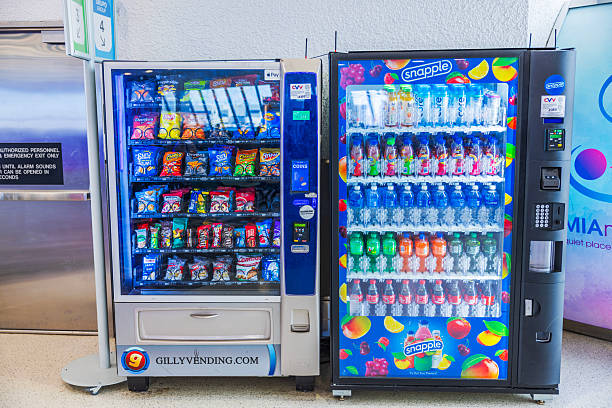
Most vending machines operate for 10 to 15 years before requiring full replacement. However, the actual lifespan depends on machine type, internal component quality, and maintenance frequency. During their lifecycle, vending machines typically go through three operational stages.
During the first few years of operation, machines usually experience minimal mechanical failures. Most service needs involve basic maintenance such as cleaning internal mechanisms, calibrating payment systems, or restocking adjustments.
As machines age, mechanical components such as dispensing motors, belts, and payment validators begin to experience normal wear. Preventive maintenance becomes increasingly important during this stage to maintain reliability and avoid unexpected breakdowns.
Machines approaching ten years of operation may require replacement of major components such as compressors, control boards, or touch displays. Operators often begin evaluating whether repairs are financially justified compared to purchasing new equipment.
Typical lifespan ranges for common vending machines include:
|
Machine Type |
Typical Lifespan |
Key Reason |
|---|---|---|
|
Snack vending machines |
10–15 years |
Simple mechanical systems |
|
Refrigerated drink machines |
8–12 years |
Continuous compressor use |
|
Combo vending machines |
7–12 years |
More mechanical complexity |
|
Mechanical vending machines |
15+ years |
Minimal electronics |
Machines that rely on refrigeration systems generally have shorter lifespans because compressors operate continuously.
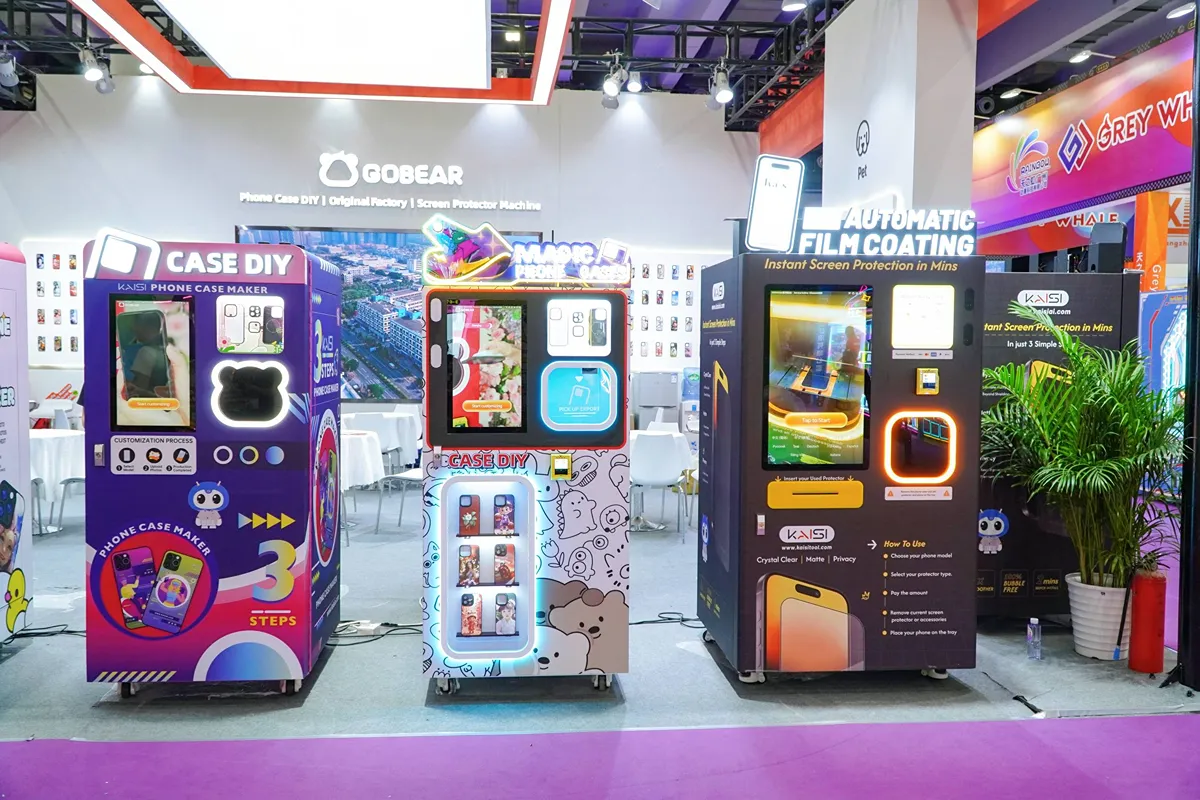
Snack vending machines typically last 10 to 15 years. Because they do not require refrigeration, their internal systems are simpler and experience less mechanical strain. Most maintenance involves replacing smaller components such as dispensing motors or payment devices, rather than major mechanical systems.
Refrigerated beverage machines generally last 8 to 12 years. Their compressors operate continuously to maintain internal temperatures, which gradually wear down cooling components. Over time, compressors may experience reduced efficiency or failure. Replacing a compressor can extend machine life, but once multiple cooling components fail, replacement may become more cost-effective.
Combo machines combine snack and beverage dispensing functions within a single unit. Due to their higher mechanical complexity, they typically last 7 to 12 years. While they offer space efficiency and product variety, their combined systems increase the likelihood of component wear.
Modern smart vending machines can physically last 10 to 15 years, similar to traditional machines. However, their digital components may require updates throughout their lifecycle.
Technology upgrades may include touchscreen replacements, payment terminal upgrades, communication module updates, and software improvements that help keep the machine compatible with modern retail systems.
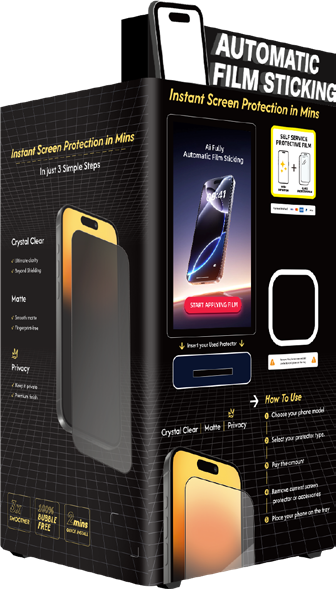
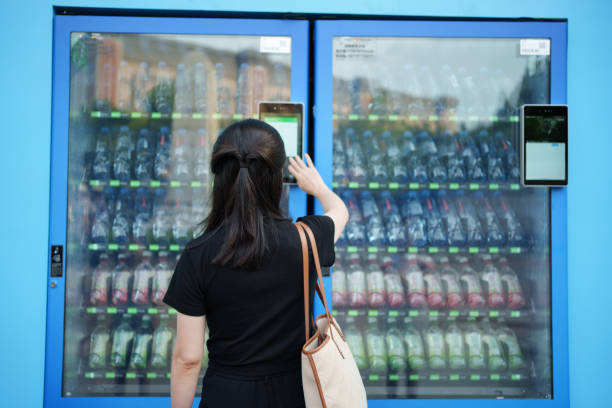
Two popular examples include DIY phone case vending machines and automatic screen protector machines. These smart vending solutions use interactive touch screens to let customers design personalized phone cases or instantly cut screen protectors for different phone models, delivering fast, on-demand customization in retail environments.
A vending machine’s lifespan is not determined by age alone. Two machines installed in the same year may perform very differently after ten years of operation. The difference usually comes down to four key factors. These include environment, usage intensity, maintenance habits, and component quality. When you understand these factors, you can protect your investment and keep your machines running reliably for many years.
The location of your vending machine has a strong influence on how long it will last. Machines placed indoors benefit from stable temperatures and lower humidity. Dust exposure is also lower. These conditions help protect electronic components and reduce corrosion inside the machine. Refrigeration systems also operate more efficiently in controlled environments.
Outdoor machines face a much tougher situation. Rain, heat, and sudden temperature changes place extra stress on compressors and power systems. Over time, this constant exposure can shorten the machine’s working life.
If you want your equipment to last longer, installing it in a protected indoor location is one of the most effective decisions you can make.
Every purchase puts a small amount of mechanical stress on the machine. When a customer buys a product, several components activate at the same time. Dispensing motors rotate. Payment systems process the transaction. Sensors detect the product drop.
In a quiet office building, a machine may handle only 30 to 50 transactions each day. In a busy airport or university, the number can easily exceed 200 or even 300 purchases per day.
High traffic locations are profitable, but they also increase wear on important components. These include dispensing motors, spiral mechanisms, and payment devices. Because of this, machines in busy areas usually require more frequent servicing.
Maintenance is the most controllable factor affecting machine lifespan. Machines that receive regular inspections often run smoothly for many years. Neglected machines tend to develop small issues that eventually turn into major repairs.
Simple tasks can make a big difference. Cleaning ventilation fans helps prevent compressors from overheating. Checking dispensing motors can reveal early signs of wear before a breakdown occurs. A typical maintenance routine includes several basic tasks. Operators inspect electrical connections. They clean internal components. They test payment systems. They also check refrigeration performance.
When you address small problems early, you greatly reduce the risk of expensive failures later.
The quality of internal components plays a major role in long-term reliability. Machines built with commercial-grade motors and durable metal cabinets tend to handle heavy use more effectively. Strong internal structures also protect electronic systems from vibration and wear.
Another advantage of high-quality machines is serviceability. Well-designed equipment allows technicians to replace individual parts easily. Instead of replacing the entire machine, you can simply change a worn component and continue operating.
Over time, this flexibility can add several extra years to the machine’s useful life while keeping maintenance costs under control.
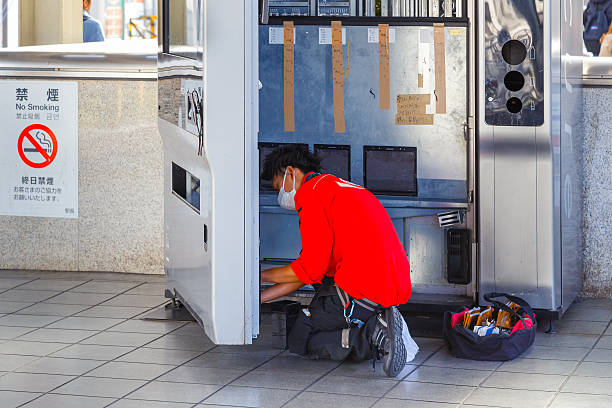
If you operate vending machines, understanding which parts fail first helps you plan maintenance and avoid unexpected downtime. In most machines, the earliest wear usually appears in the refrigeration system, dispensing motors, and payment mechanisms.
For snack and beverage machines, the refrigeration system is often the most stressed component. The compressor runs continuously to keep products at a safe temperature. This constant workload slowly reduces its efficiency. Dust buildup around ventilation areas can make the problem worse. When airflow becomes restricted, the compressor has to work harder to maintain cooling.
Over time, this strain can lead to overheating, refrigerant leaks, or compressor failure. That is why cooling systems are one of the most common major repairs in vending machines. Regularly cleaning air vents and ensuring proper airflow can significantly extend the life of the refrigeration unit.
Dispensing mechanisms handle the physical delivery of products. Every time a customer makes a purchase, motors rotate, and spiral coils move items toward the drop tray. In high traffic locations, these motors may operate hundreds of times each day. That constant movement creates mechanical wear on gears, belts, and rotating shafts.
Eventually, the motor may lose torque or fail completely. When this happens, products may get stuck or fail to drop after payment. Routine inspection and occasional motor replacement help you prevent these small issues from turning into lost sales and customer frustration.
Payment components also experience heavy daily use. Coin mechanisms, bill validators, and card readers process every transaction your machine handles.
Over time, dust buildup, worn sensors, and repeated mechanical contact can reduce accuracy. Coin mechanisms may start to jam after years of use. Bill validators may also begin rejecting perfectly valid banknotes as their sensors become dirty or worn.
Card readers face a different challenge. They rely on electronic communication with payment networks. As technology evolves, older readers may struggle to maintain compatibility with newer payment systems. Keeping payment systems clean and regularly updated helps ensure smooth transactions. It also protects your revenue by preventing failed payments and frustrated customers.
The machine’s control board acts as its central nervous system. It manages inventory sensors, payment processing, and motor control. Although these components do not move physically, they are sensitive to heat, humidity, and power fluctuations. Poor ventilation or unstable electrical supply can shorten their lifespan.
When control boards begin to fail, machines may display errors, stop dispensing products, or lose communication with payment systems. Using surge protection and maintaining stable operating conditions can greatly improve the reliability of these electronic components.
A vending machine can operate for more than a decade, but only when it receives consistent maintenance. Small issues such as dust buildup, loose connections, or worn motors often start quietly and become expensive repairs if they are ignored.
The following table shows a practical maintenance schedule you can follow to keep your vending machine running smoothly and extend its lifespan.
|
Maintenance Frequency |
Key Tasks |
Purpose |
|---|---|---|
|
Weekly |
Test a few purchases to confirm products dispense correctly. Clean the touch screen and exterior surfaces. Check inventory levels and refill products. |
Ensures the machine functions properly and maintains a clean, professional appearance for customers. |
|
Monthly |
Inspect internal mechanical parts such as motors and belts. Clean ventilation fans and air vents. Check bill validators and coin mechanisms for dust or jams. |
Prevents overheating, improves payment accuracy, and identifies early signs of mechanical wear. |
|
Quarterly |
Test refrigeration performance and monitor compressor operation. Inspect sensors, wiring, and control boards. Review diagnostic alerts if the machine uses remote monitoring. |
Detects aging components and prevents unexpected equipment failures. |
|
Annually |
Perform a full technical inspection. Evaluate refrigeration systems, electrical wiring, and cabinet structure. Replace worn motors or payment components. Update payment firmware and software systems if necessary. |
Extends overall machine lifespan and ensures compatibility with modern payment technologies. |
Regular maintenance may seem simple, but it has a major impact on long-term reliability. When you follow a structured schedule, you reduce unexpected breakdowns and keep your vending machines generating revenue consistently.
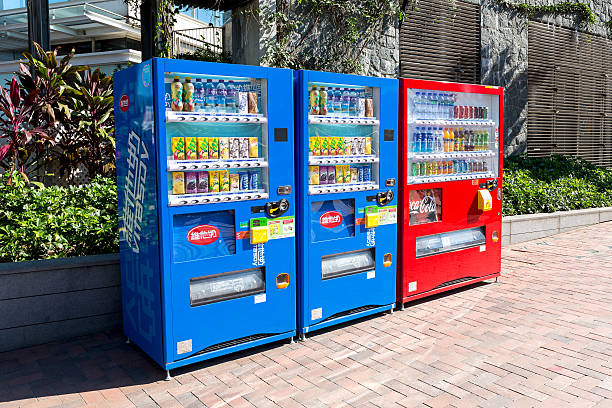
Occasional repairs are normal for any vending machine. However, frequent service calls can quickly reduce your profit margins. If you find yourself replacing motors, fixing payment systems, and servicing cooling units every few months, the maintenance costs may eventually exceed the value of the machine. A common rule used by many operators is simple. If a major repair costs 40 to 50 percent of the price of a new machine, replacement often becomes the smarter investment.
Some parts are relatively inexpensive to replace, such as dispensing motors or payment modules. Other components are far more costly. The refrigeration compressor is one of the most expensive parts inside a vending machine. When it fails on an older machine, the repair cost can be high. At that point, investing in a new machine may provide better long-term value. Repeated failures in core systems such as compressors, control boards, or power units often signal that the machine is nearing the end of its operational life.
Technology inside vending machines evolves quickly. Payment systems, user interfaces, and management software continue to improve every few years. Older machines may struggle to support modern cashless payments or mobile wallets. They may also lack remote monitoring features that help operators track sales and machine health. Upgrading to a newer machine allows you to take advantage of digital payments, real-time inventory tracking, and cloud-based management tools. These features can improve efficiency and increase revenue over time.
Sometimes the biggest signal comes from your customers. Slow response times, frequent payment errors, or product delivery problems can damage the user experience. If customers start avoiding the machine because it feels outdated or unreliable, the lost sales can outweigh the cost of replacement. A newer machine with a responsive touch screen, modern payment options, and reliable dispensing can restore customer confidence and improve overall performance.
Most vending machines can operate for 10 to 15 years, but their real lifespan depends on how well you maintain them and when you choose to upgrade. Paying attention to component wear, usage intensity, and technology updates helps you avoid costly downtime and keep your machines profitable. Companies like GOBEAR focus on modern automated retail solutions such as phone case vending machines and automatic screen protector machines built for long-term commercial use.
Contact us today to explore reliable vending solutions that can support your business for years to come.
Tell us about your business goals, and our experts will provide a tailored solution and a detailed profitability report. Let's start building your new revenue stream together.