Phone Case Vending Machine VS Traditional Vending Machines: Which is Better? - GOBEAR
Phone Case Vending Machine VS Traditional Vending Machines: Which is Better? Phone case vending machines offer higher pr...

I'm the COO of GOBEAR. We help entrepreneurs, mall operators, 3C mobile stores, event venues, and campus retailers tap into high-margin, low-maintenance vending models.
Whether you need a specific vending machine licence in the UK depends entirely on two factors: where the machine is located and what products you are selling.
The short answer is: No, you typically do not need a trading licence for machines on private property. However, operating on public land requires a strict council permit. Additionally, if you sell food or drink, you must register as a food business—a requirement you can happily skip if you are vending non-food items like phone cases.
This guide outlines the critical rules for public vs. private land, mandatory business registrations, and the specific compliance differences between selling snacks vs. selling electronics, ensuring you operate legally and avoid costly fines.

Your first and most important consideration is land ownership. This single detail determines whether you need a formal council permit or just a simple commercial agreement.
Placing a vending machine on private land is the most straightforward approach and accounts for the majority of profitable locations in the UK. This category covers sites such as offices, gyms, shopping centres, and universities.
Requirement: You do not need a council trading licence.
Action: You simply need written permission from the property owner or facilities manager. This is a private commercial contract or a "Licence to Occupy" that outlines revenue sharing or ground rent.
⚠️ The "Forecourt" Trap: Be careful with machines placed outside shops on private forecourts. Under the London Local Authorities Act and similar UK bylaws, if your machine is on private land but sits within 7 metres of the public highway, some councils may still legally require a Street Trading Licence. Always double-check this with your local planning office.
Operating a machine on public highways, pavements, or council-owned parks is far more complex. The UK government classifies this as Street Trading.
Requirement: You must obtain a Street Trading Licence from the local council. Operating without one is a criminal offense and can lead to the seizure of your machine and fines up to £1,000.
Action: You must apply directly to the local authority. Be aware that many councils have designated "prohibited streets" where no trading is allowed at all.
Planning Permission: For permanent outdoor machines, you may also need planning permission, especially if the unit is illuminated or exceeds certain size dimensions.
While you might skip the trading licence on private land, you must still comply with national business regulations. However, regulatory requirements vary significantly depending on what you sell.
Under UK law, if you sell any item intended for human consumption, including pre-packaged crisps, canned sodas, or coffee, you are classified as a food retailer.
The Rule: You must register your business with the environmental health department of your local authority at least 28 days before trading.
Exemption for Non-Food Items: If your machine sells only non-food items such as phone cases, electronics, or beauty products, you are exempt from this registration. This is a significant advantage, as it saves you from hygiene inspections and food safety paperwork.
Regardless of what you sell, you must register with HM Revenue and Customs (HMRC) for tax purposes. You can operate as a Sole Trader or a Limited Company.
VAT Threshold: You only must register if your turnover exceeds £90,000. Until then, you don't need to charge customers VAT.
Pro Tip (Voluntary Registration): Many vending operators choose to register for VAT voluntarily before hitting the £90k threshold. Why? Because it allows you to reclaim the 20% VAT you pay when purchasing your expensive machine hardware. This can put thousands of pounds back into your cash flow at startup.
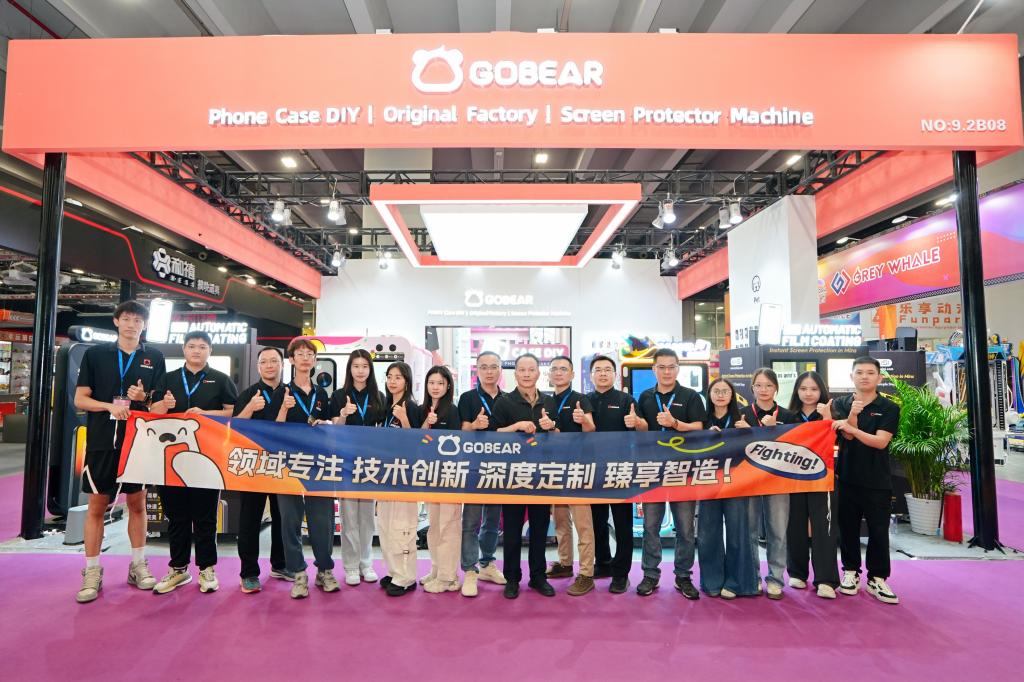
Our AI-powered kiosks print custom phone cases on-demand in about 120 seconds. With a simple operational model, no monthly software fees, and a robust 3-year warranty, you can offer a high-margin product in any high-traffic location. Explore the hardware built for rapid returns.
The rules become significantly stricter if you intend to sell age-restricted products. Standard vending operations typically avoid these due to the high regulatory barrier.
Selling alcohol from a vending machine is legal in the UK but requires the same licensing as a pub or off-licence.
Premises Licence: The physical location of the machine must be licensed for alcohol sales.
Personal Licence: You or your designated manager must hold a Personal Licence.
Age Verification: This is the critical hurdle. You must have a robust, technology-driven age verification system such as ID scanners or AI face estimation to prevent underage sales. Failure to do so can result in unlimited fines and prison sentences.
Since October 2011, it has been illegal to sell tobacco products directly from vending machines to the public in England, Wales, Northern Ireland, and Scotland. Do not attempt to sell cigarettes via vending machines anywhere in the UK.

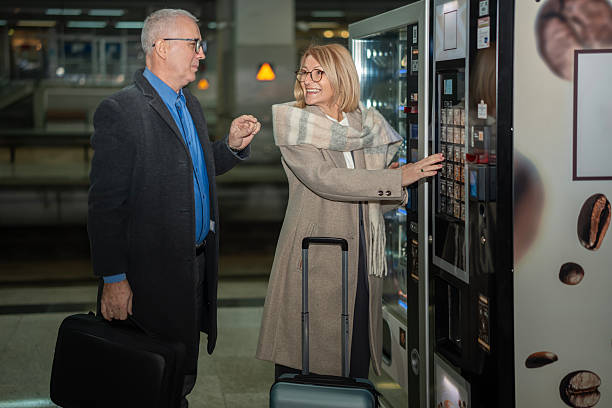
While insurance is not a government licence, it is a commercial necessity. Most landlords will refuse to host your machine without proof of valid coverage.
This is essential for any physical machine placed in a public or semi-public space. It covers legal costs and compensation if a member of the public is injured by your machine, such as tripping over a cable or the unit tipping over. While £2 million used to be standard, major venues (like Westfield or transport hubs) now increasingly demand £5 million to £10 million in coverage.
This covers you if the dispensed product causes illness, injury, or damage. For food vendors, this is critical for issues like food poisoning. For non-food vendors selling phone cases or electronics, it covers potential damage caused by a defective product, such as a case that doesn't fit correctly or damages the phone.
If you hire any staff, even casual or part-time restockers, this is a strict legal requirement in the UK. You must have this coverage the moment you employ someone. You can be fined £2,500 for every day you are not insured, making it a non-negotiable cost for scaling businesses.
If you have decided to place your machine on public land, follow this standard application process:
Contact Your Local Council: Find the specific Licensing Department for the borough where the machine will operate.
Submit Documentation: You will typically need a site map showing the exact location, photos or dimensions of the machine, and proof of Public Liability Insurance.
Pay the Fee: Application fees vary wildly by council, ranging from £100 to over £1,000, depending on the location's foot traffic and borough prestige.
Wait for Consultation: The council allows time for objections from nearby shops or the highways agency. This process usually takes 21 to 28 days.
Generally, no. Standalone vending machines are usually not considered "rateable hereditaments" for Business Rates purposes because they are not permanent structures and can be moved. However, if you build a fixed structure around the machine or secure a "Fixed Kiosk" licence in a train station, you may be liable. Always clarify this in your contract with the landowner to ensure they are not passing their rates liability onto you.
PAT (Portable Appliance Testing) is the examination of electrical appliances to ensure they are safe to use. While not explicitly a "legal requirement" in a single statute, legislation requires that you ensure all electrical equipment is maintained in a safe condition. Most commercial landlords will demand a valid PAT test sticker on your machine before allowing you to plug it in. It is best practice to have this done annually.
On private land, no. On public land, yes, you still need a street trading licence because you are conducting business on the street. The major advantage of selling non-food vending machine items like phone cases is that you bypass the Food Business Registration and hygiene inspections, significantly simplifying your ongoing compliance workload compared to snack vending.
Yes, but only from the owner. You need a private contract with the landlord. You do not need a council street trading licence.
Yes. While airports are accessible to the public, they are privately managed entities. You apply through their internal commercial tender process rather than a local council. However, safety standards like PAT Testing and accessibility compliance under the Equality Act 2010 are rigorously enforced in these high-security zones.
Navigating UK regulations is less about one single vending licence and more about location strategy. For most beginners, sticking to private property like offices and malls is the fastest route to profit because it bypasses complex council red tape.
Regardless of your location, ensuring your business is registered with HMRC is non-negotiable, though non-food businesses enjoy a much lighter regulatory burden.
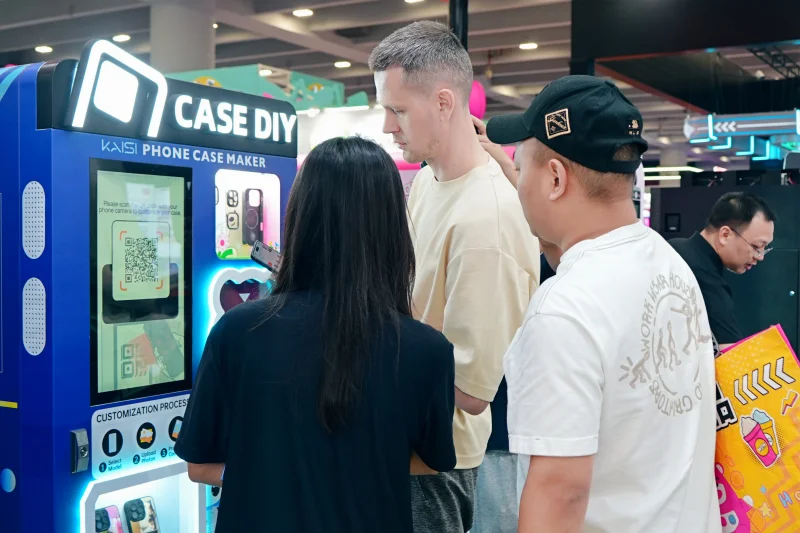
Gobear offers the smartest route to compliance: by choosing our DIY phone case printing machines or automatic screen protector vending machines, you bypass Food Business Registration and hygiene inspections entirely. We provide industrial Epson hardware and AI software for superior product quality, backed by the safety compliance standards needed to operate in top-tier private locations. With a 3-year warranty and zero franchise fees, partner with us today to launch your high-margin business.
Tell us about your business goals, and our experts will provide a tailored solution and a detailed profitability report. Let's start building your new revenue stream together.