Phone Case Vending Machine VS Traditional Vending Machines: Which is Better? - GOBEAR
Phone Case Vending Machine VS Traditional Vending Machines: Which is Better? Phone case vending machines offer higher pr...

I'm the COO of GOBEAR. We help entrepreneurs, mall operators, 3C mobile stores, event venues, and campus retailers tap into high-margin, low-maintenance vending models.
Placing a vending machine in a hospital unlocks steady, around-the-clock revenue. Yet, getting approved is rarely simple. You cannot just pick an empty hallway and plug in your equipment. Hospitals operate under strict health, safety, and administrative controls. These tight regulations dictate exactly how you install and run your machines. In this guide, you will learn exactly what is allowed, the permits you need, and how to build a highly profitable hospital route.
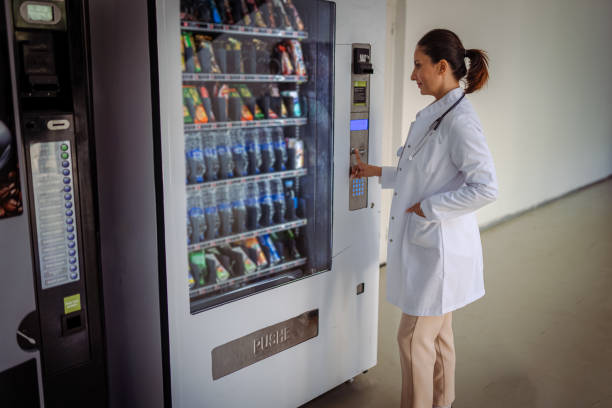
Yes, you can put a vending machine in a hospital, but only with proper approvals and strict compliance.
Hospitals require vendors to obtain permission from facility management, meet rigorous health and safety regulations, and follow carefully approved product guidelines. In most cases, you will need a formal agreement with the hospital, valid business licenses, and specific health permits if you plan to sell food or beverages.
While the process can be more complex than dealing with other commercial locations, the long-term payoff is undeniable. Once approved, hospitals offer a highly stable and consistent customer base that simply cannot be found anywhere else.
Hospital administrators control all vendor access. You cannot simply roll a machine through the front doors. Instead, you must submit a formal proposal detailing your machine's exact size, power requirements, and product categories. Your approval often depends heavily on how well your offering aligns with the hospital's patient care standards and staff wellness goals. If you can prove that your machine makes life easier for their nurses, you are halfway to a signed contract.
Depending on your local municipality, the paperwork can be extensive. At a minimum, you will need a general business license and a seller’s permit for tax purposes. If your machines dispense food or beverages, local health departments will require specific retail food permits. Additionally, hospitals will almost always ask for proof of commercial liability insurance to protect themselves before granting you access.
Hospitals will not accept outdated or unsafe hardware. Your machines must meet strict safety and sanitation standards, including certified food-safe materials like NAMA or NSF certifications. If you are selling perishable items, automated temperature control systems are non-negotiable. Finally, your equipment must strictly adhere to local fire safety and electrical compliance codes to operate in clinical corridors.
Hospitals enforce much higher hygiene standards than typical commercial locations because infection control is their ultimate priority. A vending machine in a busy corridor is touched by hundreds of hands every single day, making proper sanitation completely non-negotiable. Operators must maintain clinical-level cleanliness. This requires your route drivers to use hospital-grade cleaners on payment keypads, coin slots, and dispensing doors to eliminate potential contaminants during every restock visit.
Beyond surface cleaning, internal machine safety is strictly regulated. You must utilize remote temperature monitoring for any perishable items. If the hospital experiences a power fluctuation, your machine must automatically lock down. This critical safety feature ensures that spoiled or warm food never accidentally reaches a consumer. You also need to perform routine physical maintenance checks to prevent any internal moisture buildup or bacterial growth inside the refrigeration units.
Finally, compliance extends directly to how you present your products to the public. Many healthcare facilities require your machines to display clear nutritional labeling right on the glass or digital interface. This transparency ensures that patients and visitors know exactly what they are consuming. Meeting these strict FDA and institutional wellness mandates is often a mandatory requirement to keep your hospital contract active year after year.
It is easy to assume that massive transit hubs generate the most money. However, hospitals operate 24/7. This creates a unique environment of consistent demand from staff, patients, and visitors.
Unlike shopping malls or office buildings, hospitals never close their doors. Medical staff working exhausting 12-hour night shifts and families staying for extended overnight periods rely heavily on vending machines. When the main cafeteria closes at 8 PM, your machine becomes their only lifeline for quick access to food and essentials.
A significant portion of hospital users are medical staff who will use your machine multiple times a week. Once a nurse knows your machine reliably stocks their favorite energy bar or drink, they will return every shift. This creates a highly stable and predictable revenue stream that doesn't fluctuate wildly with the seasons.
Purchases in a hospital are rarely driven by impulse. They are driven by genuine need. A tired doctor needs caffeine to stay awake, and an anxious family member needs a quick meal without leaving the waiting room. This intent-driven buying behavior leads to much more consistent and reliable sales over time.
Strategic placement directly impacts your performance. Here are places where dwell times are highest and where people naturally gather during stressful moments.
These areas guarantee frequent, daily use by the exact same returning customers. Placing a machine near a nursing station serves medical personnel who simply cannot stray far from their critical posts to grab a bite to eat.
The emergency room is a high-stress, 24/7 environment. Families often sit in these waiting areas for hours on end. Because they are hesitant to leave and miss an update from the doctor, machines placed in these high-density zones tend to generate massive, consistent revenue.
Outpatient clinics see a steady, daily flow of patients arriving for routine appointments. Placing a machine in these wide corridors captures foot traffic from people who might need a quick drink or snack right after a blood test or physical therapy session.
Standard candy bars and greasy chips belong in the past. Today, modern hospitals prioritize healthier, practical options and will often mandate what you can and cannot sell.
Drinks make up the bulk of hospital vending sales. Facilities often mandate that bottled water and unflavored seltzers be placed on the highly visible top rows. You should also stock low-sugar drinks, zero-calorie sodas, and electrolyte beverages to support physical therapy patients and active staff.
Instead of traditional junk food, hospitals want you to provide substantial energy for their staff. High-quality protein bars, mixed nuts, seeds, and dried fruits perform exceptionally well. Low-calorie packaged snacks that meet the hospital's specific wellness guidelines will ensure your contract gets renewed year after year.
For the 24-hour crowd, a snack isn't enough. Fresh salads, deli sandwiches, yogurt, and ready-to-eat meals are highly profitable. Offering these balanced, health-conscious products serves the late-night staff perfectly and aligns with the institution's long-term health policies.
Placing a vending machine in a hospital unlocks a highly profitable, 24/7 captive audience. However, traditional operators constantly battle short food expiration dates, strict health permits, and rigorous sanitation protocols. To truly scale your hospital route without these headaches, you need a high-margin product mix that completely eliminates daily operational friction.
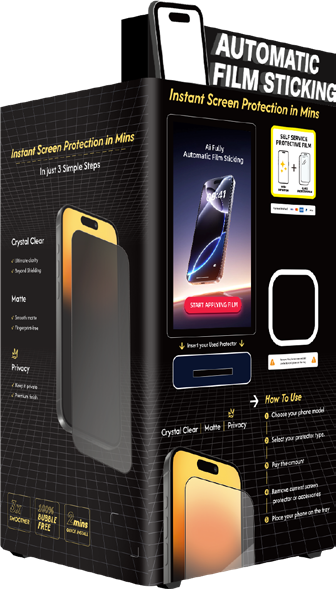
Smart operators are actively diversifying with zero-perishability tech accessories. Patients and visitors constantly drop their devices in stressful hospital waiting rooms. As a specialized manufacturer of DIY phone case vending machines and automatic screen protector machines, GOBEAR provides the perfect frictionless amenity. Partner with us to deploy GOBEAR's innovative vending solutions and scale effortlessly.
Tell us about your business goals, and our experts will provide a tailored solution and a detailed profitability report. Let's start building your new revenue stream together.