Phone Case Vending Machine VS Traditional Vending Machines: Which is Better? - GOBEAR
Phone Case Vending Machine VS Traditional Vending Machines: Which is Better? Phone case vending machines offer higher pr...

I'm the COO of GOBEAR. We help entrepreneurs, mall operators, 3C mobile stores, event venues, and campus retailers tap into high-margin, low-maintenance vending models.
Retail is changing faster than ever in 2026. Between rising labor costs and the growing demand for 24/7 convenience, you are likely looking for smarter ways to stay profitable without the operational headaches of traditional staffing. Unmanned retail has moved beyond being a "futuristic concept"—it is now a practical strategy that can significantly reduce daily operating expenses.
Whether you are curious about how AI-powered smart stores work or you are looking for specific, high-margin solutions like automated kiosks, you are in the right place. This guide breaks down the most effective technologies and market trends to help you decide which model actually fits your business goals.
Unmanned retail refers to a technology-driven retail environment that utilizes sensors, computer vision, AI, and IoT to automate key functions such as entry, product recognition, pricing, checkout, and inventory.
In most formats you will encounter, the system uses sensor fusion to track item movement with high precision. This technology combines weight sensors and AI cameras so that every transaction is recorded accurately.
Customers identify themselves at entry, pick their products, and leave while the system automatically processes the transaction in the background.
A critical but often overlooked component is the cloud-based management dashboard. This allows you to monitor inventory levels and equipment health in real-time. By accessing data from a phone or laptop, you ensure that "unmanned" does not mean "unmanaged." These systems use IoT connectivity to push automatic alerts for restocking or maintenance needs before they impact sales.
The goal is to remove "friction" from the buying process. By eliminating the need for manual scanning at a checkout counter, you allow customers to complete their journey in seconds. This speed is what differentiates modern automated retail from traditional vending machines.
To help you navigate this shifting landscape, I have put together a comparison of the primary automated retail solutions shaping the industry today. This table includes the operational metrics you need to evaluate for a 2026 strategy.
|
Category |
Core Strategic Strength |
Key Operational Metrics |
Ideal For |
Tech Complexity |
|---|---|---|---|---|
|
Smart Vending & AI Cabinets |
Security & Speed: Virtually zero shrinkage and true "grab-and-go" convenience. |
>95% vision accuracy; 40-80 SKUs per unit; 24/7 uptime. |
High-traffic micro-locations like hospitals and transit hubs. |
Low to Medium |
|
Micro Markets |
Variety & Experience: Open-shelf browsing that encourages fresh food sales. |
200-500 SKUs; 30-50% higher ticket vs traditional vending. |
Semi-closed environments like corporate offices. |
Medium |
|
Autonomous Smart Stores |
Scale & Efficiency: Frictionless shopping with zero checkout lines. |
High sales per m²; 70-80% labor savings; heat mapping. |
High-density urban residential areas and airports. |
High |
|
Automated Lockers & Kiosks |
Niche Personalization: 24/7 specialized services and on-demand interactive products. |
Low footprint (1-2 m²); interactive engagement; fast ROI. |
Retail malls, tech shops, and custom service centers. |
Low to Medium |
|
Robotic Cafés |
Consistency: Zero barista costs with 100% recipe standardization. |
Low overhead; requires only 2-5 m²; exact brewing precision. |
Building lobbies and high-density tourist areas. |
Medium to High |
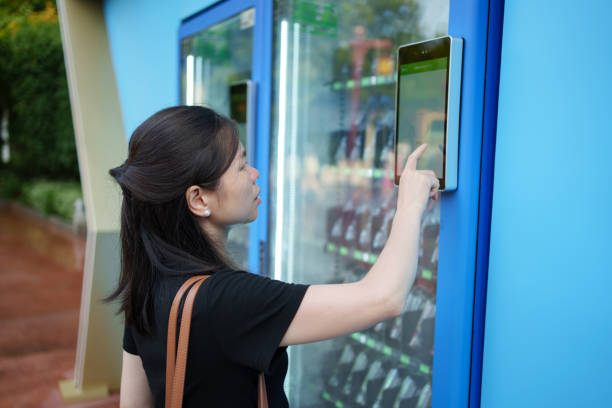
If you are looking for a reliable, standalone solution, smart vending machines are networked kiosks that sell goods without on-site staff. These units prioritize efficiency and offer versatile product capacities. You can maintain high uptime through remote monitoring and proactive maintenance from a central office.
The AI computer-vision vending cabinet represents a significant step forward. These locked units use cameras to identify items automatically as they are removed. This reduces hardware complexity compared to older shelf-weighing systems. Most importantly, it virtually eliminates shrinkage by linking every item removed to a verified payment method.
In the B2B sector, industrial vending uses these secure machines to dispense tools and MRO parts on factory floors. The focus here is on inventory control and downtime reduction. These systems integrate directly with an ERP platform to optimize consumption.
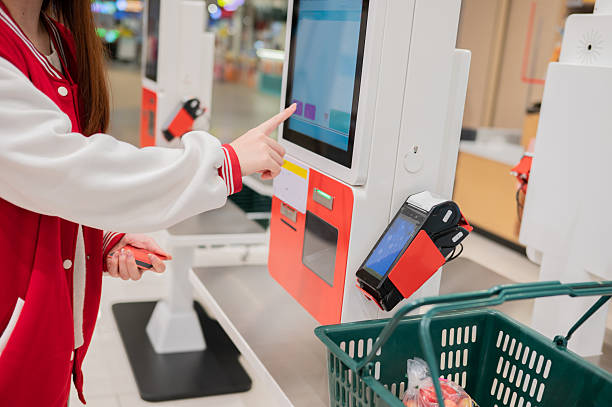
You might find that micro-market vending is the best fit for semi-closed environments. These systems combine open-shelf displays, smart coolers, and a self-checkout kiosk to offer several advantages:
Unlike traditional machines, micro markets allow for the sale of fresh salads and premium beverages. This shift toward healthy options is a primary driver for employee satisfaction. It is especially effective in modern corporate breakrooms and co-working spaces.
Expanded variety: You can host hundreds of SKUs to provide a mini-supermarket experience for customers.
Higher ticket size: Because customers can touch and inspect products, they typically spend more than they would at a traditional vending machine.
Fast ROI: With no full-time staff and low overhead, many operators achieve a full return on investment within a few years.
Minimal labor: The team only needs to worry about periodic restocking and remote monitoring via cloud platforms.
Unmanned convenience stores are small-format shops that integrate vending and smart shelves. This model is perfect if you want to bridge the gap between a simple machine and a full supermarket.
By utilizing advanced AI, you can eliminate checkout lines entirely for shoppers. This makes a store ideal for high-pressure environments like airports and hospitals, where speed is the top priority.
You might consider a hybrid model for your retail business. The store is staffed during peak daytime hours for restocking, then switches to a fully unmanned mode at night. This allows stores to capture "night-time economy" revenue without the high cost of graveyard-shift wages.
Automated lockers provide customers with 24/7 self-service access for pickups and purchases. By using RFID and app-based authentication, these systems significantly reduce labor costs. Many operators use these in last-mile delivery to ensure secure, contactless operations.
Autonomous kiosks are self-service terminals with interactive touch or voice interfaces. Beyond simple transactions, modern kiosks in 2026 are used for on-demand customization. Customers can interact with products digitally before a physical purchase is made, which boosts brand loyalty.
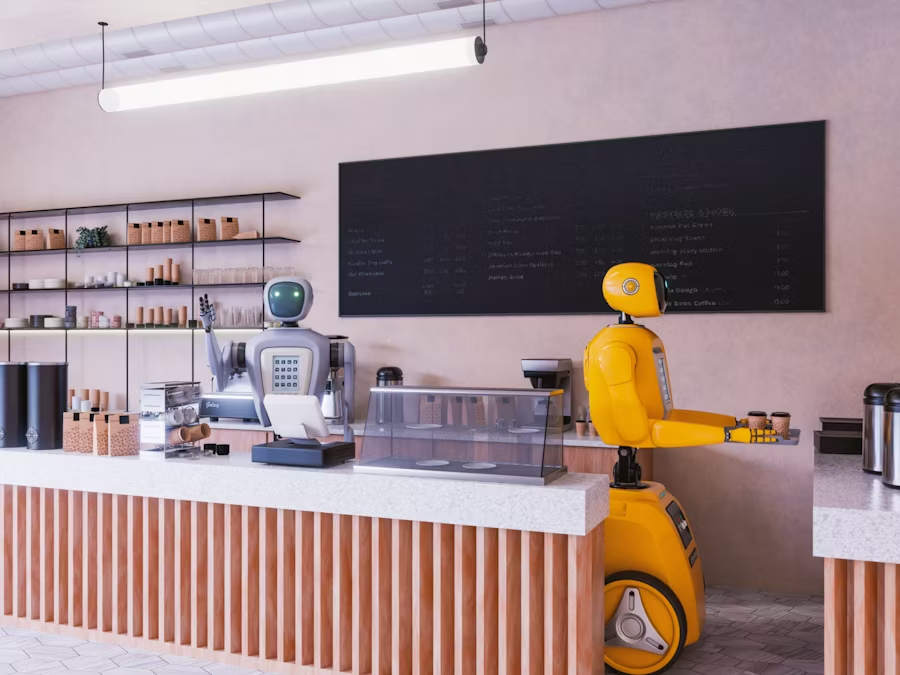
If you are entering the food and beverage industry, unmanned cafés allow you to operate without baristas through automated brewing systems. This trend helps you focus on high-speed and high-consistency service.
A major advantage of robotic cafés is the standardization of quality. The automated system executes the exact same recipe every time. This eliminates the risk of human error in measurements or temperature control that could hurt a reputation.
This trend is prominent in high-density urban areas. You can place units in very small footprints, such as building lobbies. These locations would otherwise be too expensive to run a traditional staffed café.
The acceleration of retail automation this year is driven by a shift toward high-efficiency, data-centric operations. In 2026, the market is moving beyond simple transactions toward three high-value strategic pillars:
High urban rents and the demand for 24/7 access have made large storefronts less efficient. The market is shifting toward a micro-retail model. These low-rent, high-density footprints allow you to deploy services in subway stations or luxury lobbies in days rather than months. This agility lets you follow foot traffic patterns in real-time.
Automation is moving into experiential retail. Modern consumers want interactive services rather than just "buying a product." Specialized machines, such as DIY phone case vending machines, turn a simple purchase into a high-margin interactive experience. This added value increases engagement and allows for premium pricing.
In 2026, your hardware acts as a sophisticated data sensor. Beyond tracking sales, you gain interaction analytics:
Browse-to-buy ratios: You can see which products customers interact with before purchasing, providing "online-style" insights for physical locations.
Surgical inventory precision: AI-driven data allows for just-in-time logistics. You only restock exactly what is needed, which lowers transportation and waste costs.
Dynamic optimization: You can remotely adjust promotions across an entire fleet of machines instantly based on live performance data.
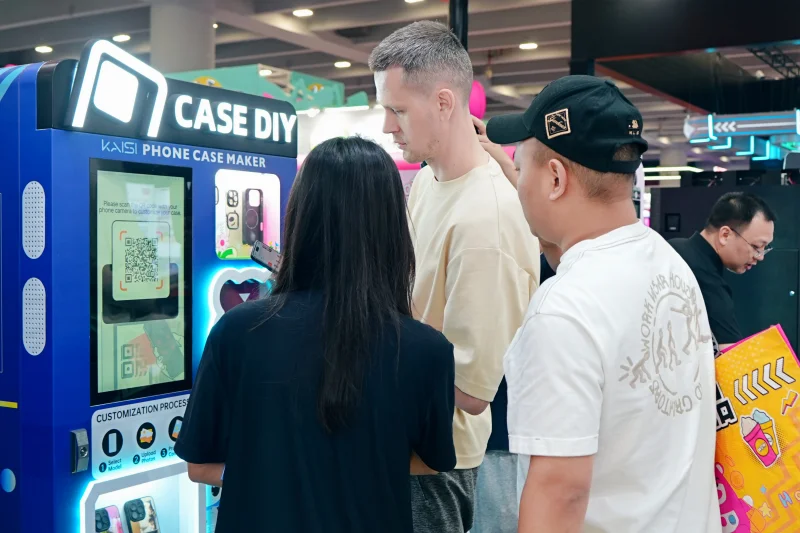
Adapting to the unmanned retail shift in 2026 is about securing your competitive advantage. While large-scale autonomous stores capture headlines, the real opportunity for your business may lie in experience-led automated kiosks.
At Gobear, we focus on the intersection of personalization and convenience, exactly where you need to be. We specialize in niche, high-demand solutions like DIY phone case vending machines and automatic screen protector machines. These tools help you enter the unmanned space with lower entry costs and a faster path to ROI.
These machines provide customers with a 24/7 interactive service that traditional vending cannot replicate. Your future in retail depends on hardware that combines these interactive experiences with robust reliability. If you are ready to explore how specialized automation can transform your business, contact us today to find the perfect fit for your specific market.
Tell us about your business goals, and our experts will provide a tailored solution and a detailed profitability report. Let's start building your new revenue stream together.