Top 5 Places Your DIY Machine for Maximum Profit - GOBEAR
Top 5 places your DIY machine for maximum profit in 2025: airports, hospitals, malls, offices, and schools for the best ...

I'm the COO of GOBEAR. We help entrepreneurs, mall operators, 3C mobile stores, event venues, and campus retailers tap into high-margin, low-maintenance vending models.
Choosing a phone case material might seem like a small detail at first. However, the decision actually carries a lot of weight, affecting everything from how the phone feels in your hand to how well it holds its value over time. For wholesalers and vending operators, this choice is even more significant because it directly impacts customer satisfaction and your bottom line.
In this guide, we are going to look past the marketing jargon. We’ll compare how TPU and silicone phone cases actually perform in the real world, so you can decide which one fits your specific needs or your next inventory order.
Before diving into the technical details, this comparison matrix highlights the key differences that matter most to both everyday users and business buyers.
|
Comparison Point |
TPU Phone Case |
Silicone Phone Case |
|---|---|---|
|
Tactile Feel |
Smooth, firm, and easy to slide |
Soft, "skin-like," and high-grip |
|
Drop Protection |
Excellent: High shock absorption |
Good: Soft cushioning effect |
|
Visual Longevity |
Clear cases may yellow over time |
Maintains color; naturally anti-yellow |
|
Maintenance |
Resists lint/oil; easy to wipe clean |
Attracts pocket lint and dust |
|
Structural Fit |
Holds shape perfectly for years |
May stretch or loosen with heavy use |
|
Design Options |
Best for HD printing and patterns |
Best for solid colors & 3D textures |
|
Customization |
High (supports IMD/IML printing) |
Moderate (limited to specific inks) |
|
Manufacturing |
Fast production; cost-effective |
Slower process; premium positioning |
|
Sustainability |
Recyclable thermoplastic polymer |
Chemically Stable but harder to recycle |
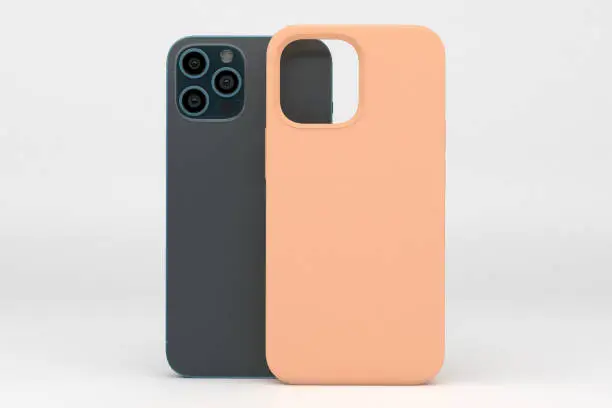
We all spend hours holding our phones, so the texture of the case is something you notice constantly. You might prefer a surface that sticks to your hand, or perhaps you want something that slides easily into your jeans. Both materials have very different personalities when it comes to touch.
When preventing accidental slips is the top priority, a silicone phone case is often the clear winner. Its unique molecular structure creates a high-friction, rubbery texture that feels incredibly secure. From our experience with vending machine sales, customers are often drawn to silicone for its reassuring, tactile feel. It offers a cushioned surface that makes holding a phone for long periods more pleasant, and the material’s softness ensures that buttons are always easy to press.
On the other hand, a TPU phone case offers a more practical solution for those who want a slim profile. While the raw material isn't as naturally "sticky" as silicone, it is far better at sliding in and out of tight pockets without snagging. TPU provides a soft yet firm grip that feels substantial without being bulky. For many users, this is the perfect middle ground: it feels secure enough to hold but smooth enough for daily convenience.
One often overlooked difference is cleanliness. Silicone, due to its high-friction surface, tends to act like a magnet for pocket lint and dust. In contrast, the smoother surface of a TPU phone case remains cleaner for longer and is much easier to wipe down, which is a major plus for anyone who hates a "dusty" looking phone.
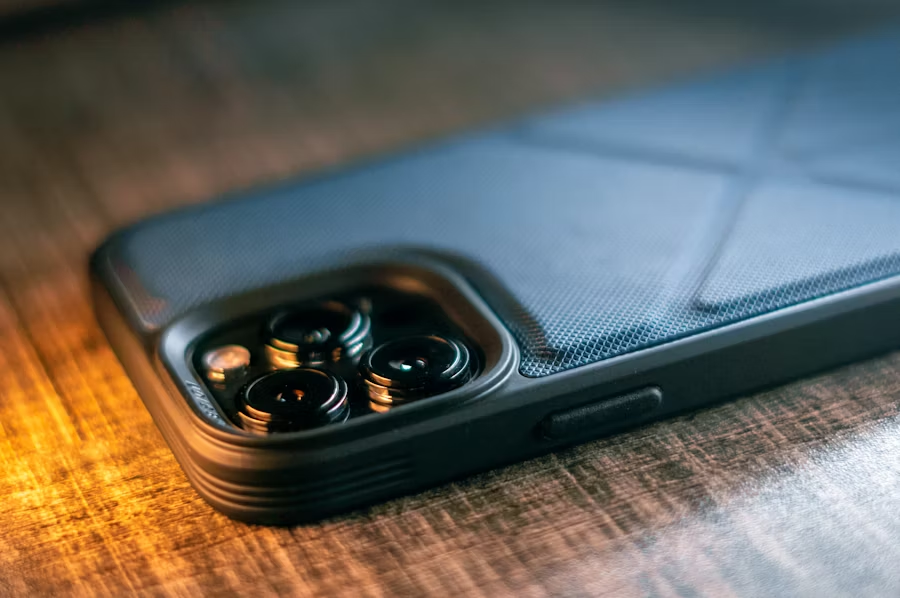
TPU (Thermoplastic Polyurethane) is a hybrid polymer that blends the flexibility of rubber with the structural strength of plastic. Its molecular structure contains alternating hard and soft segments, which is the secret to its protection. When a phone hits the ground, a TPU phone case effectively absorbs and disperses the impact energy, protecting delicate internal components without needing a thick, heavy profile.
While TPU is king of impact dispersal, silicone phone cases excel at "pre-impact" protection—essentially preventing the drop from happening in the first place. The natural elasticity of silicone provides excellent vibration damping, and its high-grip surface means your phone is less likely to slide off a dashboard or out of a wet hand.
A brand-new case always looks great, but the real test begins after a few months of daily wear. You’ve likely seen clear cases that start to look dirty or brown after a while. This usually comes down to how the material reacts to the world around it, especially when it comes to UV light and heat.
A common question we hear is why clear cases lose their clarity. Most TPU phone cases are susceptible to UV radiation and heat, which can cause a chemical reaction known as degradation. This results in a yellow or tea-colored tint over time. While high-end TPU compounds are now engineered with UV stabilizers to slow this process down, it remains a factor to consider if you want a crystal-clear look for years.
Silicone is chemically incredibly stable, thanks to its strong silicon-oxygen backbone. However, because it is so soft, it can suffer from "stretching" after repeated removal and installation. Over time, a lower-quality silicone phone case might lose its snug fit. TPU, with its superior "shape memory," generally maintains its tight, protective fit for much longer.
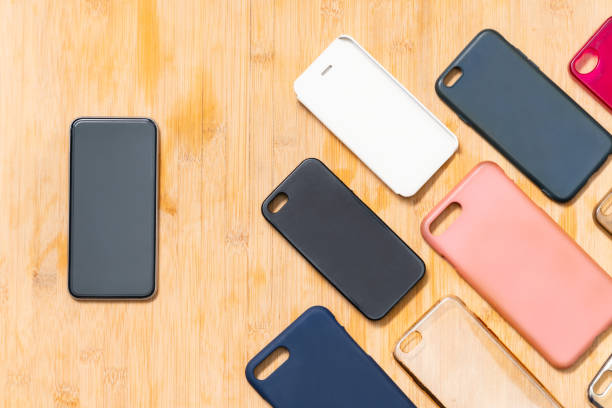
From a production standpoint, TPU offers significant advantages. It is compatible with high-speed injection molding, allowing for efficient, high-volume manufacturing with consistent quality. Silicone phone cases, particularly those made from Liquid Silicone Rubber (LSR), often require more complex compression molding and longer curing times. This often leads to higher per-unit costs but allows for a more "premium" market positioning.
If your goal is to offer vibrant designs, TPU is the undisputed leader. Its non-porous surface is perfect for high-resolution printing that won't fade or peel. While printing on a silicone phone case is possible, the designs are often less detailed and require specialized inks to bond properly with the material.
For any business stocking inventory, ensuring material safety is non-negotiable. Both high-quality TPU and silicone phone cases should meet REACH and RoHS standards, ensuring they are free from harmful chemicals like phthalates or lead. Silicone is particularly noted for being chemically inert and non-toxic, often reaching food-grade standards.
TPU holds a distinct advantage in sustainability. As a thermoplastic, it is fully recyclable and can be melted down to create new products. Furthermore, many suppliers now offer biodegradable TPU variants. Silicone, while non-toxic, is not biodegradable and requires specialized, high-heat facilities for recycling, meaning most silicone cases eventually end up in landfills.
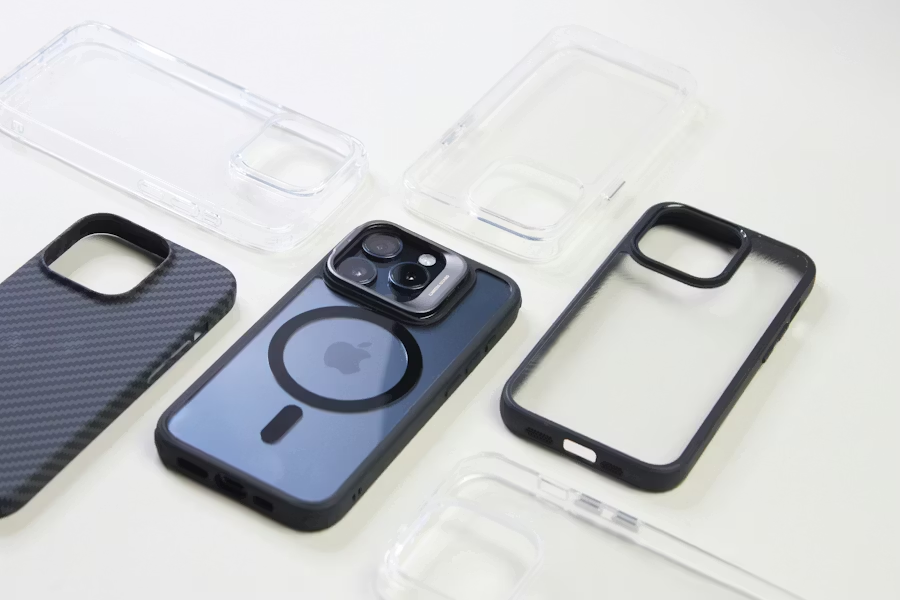
There is no single "perfect" material that works for everyone. Usually, the right pick depends on what you value most—whether that’s a rugged, long-lasting build or a premium, soft-touch experience.
If you are looking for a durable, slim, and practical case that stays clean and offers endless design possibilities, TPU is the smartest move. Its structural integrity and resistance to daily wear make it a more reliable commercial investment for wholesalers, leading to fewer returns and a longer shelf life.
Choose silicone if the tactile experience is your primary goal. It is the perfect choice for users who prioritize a soft, luxurious feel and maximum grip above all else. For brands targeting a niche that values comfort and minimalist aesthetics, silicone remains a top-tier option.
At Gobear, we believe that selecting the right material is only the first half of a successful business strategy. The second half is how you deliver those products to your customers. As specialists in the manufacturing of phone case vending machines and automatic screen protector machines, we help brands bridge the gap between high-quality materials and modern, automated retail.
Whether you decide to stock durable TPU cases or premium silicone options, our automated solutions ensure your inventory is presented professionally and dispensed reliably 24/7. Contact us today to explore our innovative machine technology and find out how we can help you modernize your retail presence and scale your operations.
It’s all about the "lip". While TPU absorbs shock better, silicone cases often have thicker raised edges. Because silicone is naturally "grippy," it also keeps your phone from sliding face-down on flat surfaces, adding an extra layer of safety for your screen.
Absolutely! Both work perfectly with wireless charging. However, since TPU is usually thinner and more rigid, it often provides a snappier, more secure magnetic connection for MagSafe accessories compared to some thicker silicone options.
To be honest, once silicone stretches out, it’s tough to shrink it back. The molecular structure just doesn't work that way. That’s why we always recommend choosing high-quality silicone with a rigid inner frame to keep that snug fit for the long haul.
TPU is the clear winner here. Its non-porous surface is perfect for high-res UV printing and IMD designs. Silicone is trickier—it requires special primers and specific inks to make sure the artwork doesn't peel off over time.
Yes, you're good to go! TPU is tough and handles alcohol sanitizing with ease. For silicone, just be a bit gentler—avoid heavy scrubbing if your case has a special soft-touch coating, as it might wear down the finish over time.
Tell us about your business goals, and our experts will provide a tailored solution and a detailed profitability report. Let's start building your new revenue stream together.