Phone Case Vending Machine VS Traditional Vending Machines: Which is Better? - GOBEAR
Phone Case Vending Machine VS Traditional Vending Machines: Which is Better? Phone case vending machines offer higher pr...

I'm the COO of GOBEAR. We help entrepreneurs, mall operators, 3C mobile stores, event venues, and campus retailers tap into high-margin, low-maintenance vending models.
Automated screen protector vending machines are a proven way to generate reliable retail income, but the upfront cost is a major roadblock for many new operators. Dropping around $12,000 on a premium unit can quickly drain your working capital, yet settling for a cheap manual machine will only limit your long-term profits.
Fortunately, you don't have to empty your savings account to launch. From flexible equipment leases and traditional bank loans to creative revenue-share partnerships, there are smart ways to fund your business. This guide breaks down exactly how to finance your vending fleet so you can protect your cash flow and start generating returns faster.
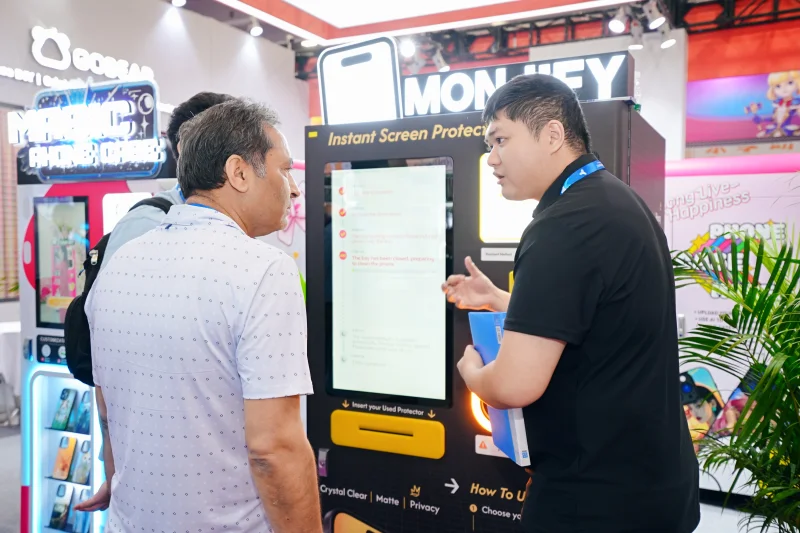
Traditional bank loans require strong credit and a solid business plan. Operators leverage the specific financial metrics of automated retail to present a compelling case to commercial lenders.
Commercial lenders scrutinize your financial history before approving capital for a vending route. Banks typically require a minimum credit score of 680, though 700 and above secures the best interest rates. You must provide clean personal and business financial records to demonstrate your ability to manage commercial debt.
Small Business Administration (SBA) loans offer a highly favorable route for retail equipment purchases. The SBA 7(a) and SBA Express programs back a portion of the loan, which actively reduces the risk for the bank. This government backing makes lenders more willing to finance your machines, provided you bring a 10% to 20% down payment.
To secure approval, you need a targeted business plan. Lenders want to see exactly where you will place the units. Detail your proposed high-traffic commercial locations, such as shopping malls and cinemas. Provide foot traffic data and draft placement agreements to prove your revenue projections are realistic.
When asking a bank for the capital required to set up a premium screen protector vending machine, you must frame the request around risk mitigation and steady cash flow. Build your loan package using the exact financial metrics of the equipment.
Break-Even Point: Highlight the monthly unit sales threshold required to cover both the loan payment and consumable inventory.
ROI Timeline: Present a projected 6-to-12-month return on investment under optimal high-traffic conditions.
Asset Protection: Emphasize standard 3-year equipment warranties, which heavily reduce the lender's risk on the physical asset.
Banks heavily scrutinize operating expenses. Automated systems eliminate the need for full-time on-site staff, which drastically improves your profit margins. You can use the machine's automated cloud management features in your business plan to validate your monthly cash flow projections, giving the lender absolute confidence in your operational oversight.
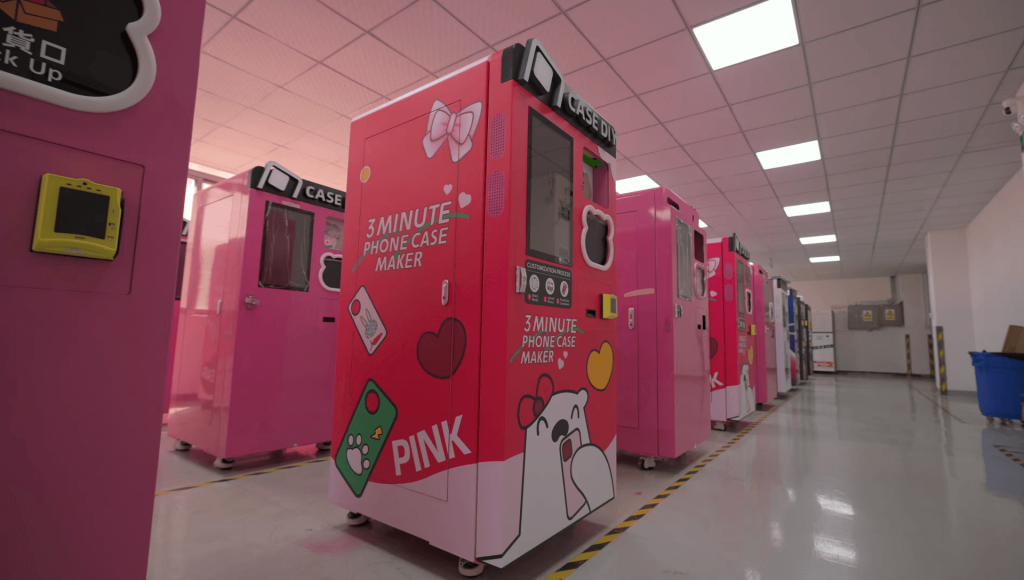
Equipment leasing and business credit let operators acquire vending machines while preserving cash. Structured monthly payments align capital expenses directly with the revenue your machines generate.
Operators rely on two primary financing pathways to fund new equipment: in-house programs and third-party lenders. The optimal route depends entirely on your business structure, available cash reserves, and deployment timeline.
In-house financing: Manufacturers often offer direct financing options. Business purchasers typically must provide a 20% to 25% minimum down payment to secure these agreements.
Third-party lenders: Financial platforms give individual operators rapid approval options. These lenders provide instant monthly payment estimates directly at the point of purchase.
Lenders build lease agreements based on your operational capacity and growth trajectory. Providers customize financing structures to match payment schedules with your expected hardware return on investment.
Flexible terms: Providers build customizable lease programs with payment schedules extending from 12 to 48 months.
Evaluation criteria: Approval departments analyze specific operational metrics. They look closely at your business tenure, available monthly budget, and whether you are buying a single machine or scaling across multiple locations.
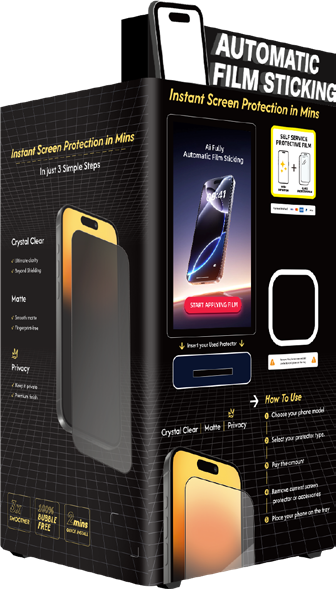
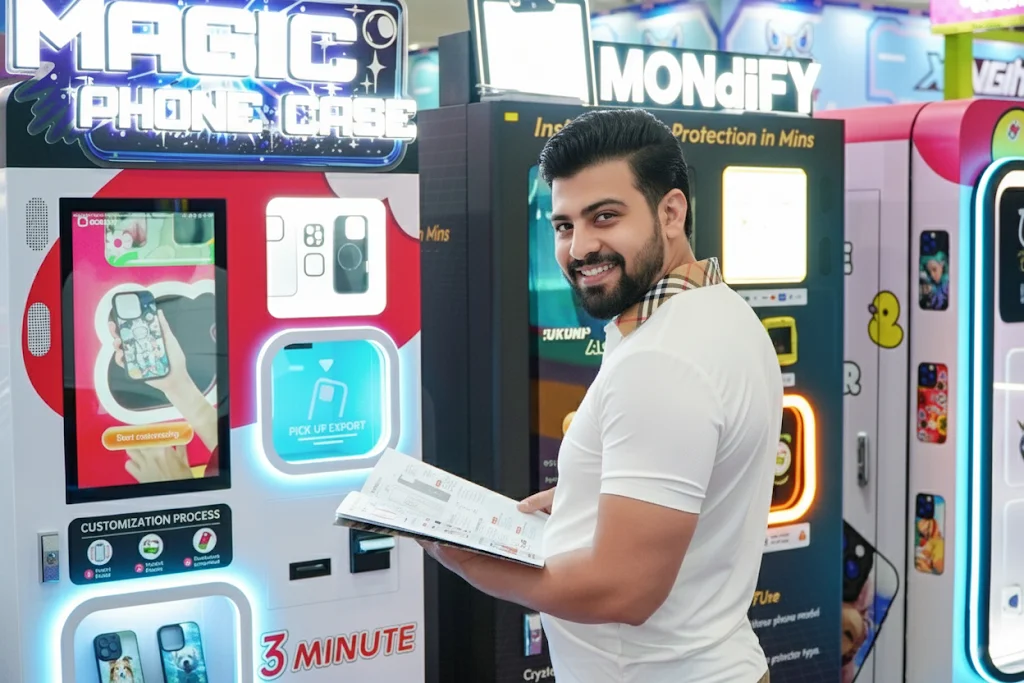
Partnership models like revenue-sharing and co-branding let operators and property owners deploy automated retail machines with shared capital risk, creating passive income streams with minimal overhead.
Manufacturers and distributors frequently collaborate with operators through revenue-sharing agreements. This structure immediately lowers the initial capital expenditure required to get machines on the ground. It allows retailers and commercial property owners to deploy hardware without absorbing the full upfront cost.
Established operators take these machines and partner directly with property owners to deploy fleets across high-traffic environments. Ideal partnership targets include:
Retail Chains and Malls: High daily foot traffic ensures consistent transaction volume.
Universities and Airports: Captive audiences in waiting areas generate steady passive income.
Phone Repair Shops: Store owners expand their service margins without adding labor.
Commercial Properties: Building managers monetize empty lobby space.
Instead of buying machines outright, operators can secure funding from private investors or property owners in exchange for a split of the monthly profits. This model lowers your initial capital expenditure and aligns the financial incentives of both parties.
Managing a shared-revenue fleet requires accurate data and total transparency. Smart cloud management systems provide remote monitoring capabilities. This technology gives all investing partners real-time access to inventory levels and revenue tracking across the entire network.
Because premium machines only require periodic visits for restocking and routine maintenance rather than daily staffing, these joint ventures remain highly attractive. The minimization of staffing expenses makes this model ideal for investors seeking predictable capital recovery.
Vendor financing preserves capital but carries ongoing interest costs. Direct purchasing requires a higher upfront investment but eliminates debt and accelerates your overall profitability.
Vendor financing lets you deploy machines quickly without draining your upfront capital reserves. Providers typically structure flexible payment terms spanning up to 48 months, which preserves your business liquidity for other operational needs like inventory and location fees.
The downside centers on cost transparency and approval requirements. Financing agreements often obscure the total interest costs over the life of the lease. Lenders also enforce strict qualification rules that routinely block new operators lacking an established business history or strong personal credit.
Buying the equipment outright requires you to absorb the full financial burden on day one. You skip the approval process and completely eliminate debt from your operational overhead.
Based on premium market specifications, the direct purchase model breaks down into these core metrics:
Initial Investment: Demands significant upfront capital, averaging $12,000 per automated unit, depending on exact specifications.
Return on Investment: Delivers healthy returns, with well-placed operators typically recovering their initial hardware cost within 6 to 12 months.
Operational Margins: Operates with zero ongoing financing fees and minimizes labor costs to maximize monthly net profits.
Match your capital to the right machine tier—from manual testing units to fully automated systems built for high-traffic operations.
|
Equipment Tier |
Price Range |
Automation Level |
Best Use Case |
|---|---|---|---|
|
Entry-Level |
Under $500 |
Manual |
Low-volume market validation |
|
Mid-Range |
$4,250 - $8,000 |
Semi-Automatic |
Repair shops adding supplementary services |
|
Premium |
$12,000 - $15,000+ |
Fully Automatic |
High-traffic locations minimizing staff needs |
Beyond the machine sticker price, operators must calculate hidden deployment costs to ensure profitability. You need to factor in logistics, working capital for consumable screen protector inventory, and location rent.
Landlords typically charge either a $100 to $300 flat monthly fee or demand a 10% to 20% revenue share. Choosing the right equipment tier depends heavily on whether you have the remaining cash reserves to cover these initial soft costs and location fees alongside the hardware purchase.
Premium automated machines require a larger upfront investment but drastically reduce your daily operational burden. These units eliminate full-time staffing expenses through self-service designs, requiring you only to perform scheduled restocking and basic maintenance.
To maximize this investment, you should target high-traffic commercial spaces. High-capacity consumable storage allows these machines to run continuously while you monitor the entire fleet remotely. Smart cloud management platforms let you track daily revenue and inventory levels from anywhere, ensuring you only dispatch staff when a machine actually needs service.
Whether you choose bank loans, equipment leasing, or revenue-sharing models, securing the right financing allows you to scale your automated retail business without depleting your working capital. The key is matching your funding strategy to your operational goals.
To maximize your investment, you need reliable hardware. GOBEAR specializes in fully automated, AI-driven DIY phone case vending machines and screen protector vending machines with smart cloud management and a 3-year warranty. Ready to launch a profitable, low-maintenance fleet? Partner with us today to explore our customizable deployment solutions.
Yes, but it takes some creativity! While traditional banks might pass, you can explore revenue-based financing, which ties payments to your daily sales instead of credit scores. Bringing on a co-signer can also give your application a huge boost.
Not always, but it's highly recommended! Some online lenders accept sole proprietors, but banks usually require an LLC. Plus, setting up an LLC protects your personal savings and makes you look much more professional to landlords.
Absolutely! Thanks to IRS Section 179, you can often deduct the entire purchase price of your machine in the first year, even if you’re financing it. It’s a fantastic way to lower your tax bill—just consult your CPA!
It depends on the lender. Traditional bank or SBA loans can take a few weeks to process. However, if you use third-party equipment leasing platforms or in-house vendor financing, you can often get that green light in just 24 to 48 hours.
You’re still on the hook for those monthly payments! That’s exactly why buying premium hardware is crucial. Always look for machines backed by a solid 3-year warranty so you aren't stuck paying for unexpected repairs out of pocket.
Tell us about your business goals, and our experts will provide a tailored solution and a detailed profitability report. Let's start building your new revenue stream together.