Best Locations for a Screen Protector Vending Machine in 2026
Discover the best locations for a screen protector vending machine. Maximize profits in high-traffic spots. Scale your b...

I'm the COO of GOBEAR. We help entrepreneurs, mall operators, 3C mobile stores, event venues, and campus retailers tap into high-margin, low-maintenance vending models.
Identifying the trends that truly matter is critical. If you are managing a budget or planning a product roadmap for 2026, you cannot afford to rely on guesswork. You need to know which technologies are fleeting hype and which ones act as the traffic engine for real revenue growth.
This guide focuses on the five most impactful shifts in autonomous systems. We analyze how advancements in AI, robotics, and retail automation are moving from experimental phases to becoming essential drivers of operational efficiency.
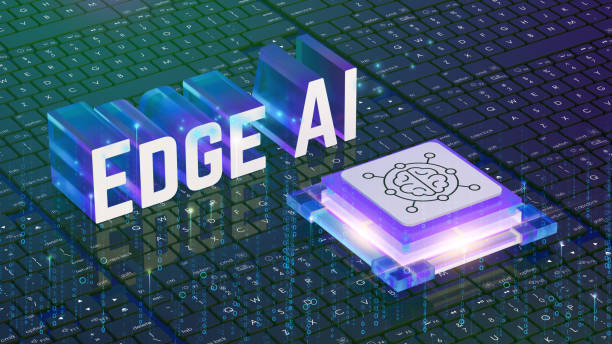
By 2026, the primary metric for AI success is efficiency. The industry is shifting its focus toward AI inference efficiency. For businesses, this means reducing the "cost per query." Relying on raw computational power is no longer sustainable; the goal is to lower the operational cost of every automated interaction.
Before we talk about profit, let's define the tech. Traditionally, AI works by sending data to a giant "brain" in the cloud, waiting for an answer, and sending it back. Edge AI changes this. It puts the brain directly inside the local device.
Think of it like a reflex. When you touch a hot stove, your hand pulls back instantly without waiting for your brain to analyze the temperature. Edge AI allows your machines to "think" locally, processing data on the spot without needing a constant, expensive connection to the cloud.
This drive for cost reduction is accelerating the adoption of Edge AI. Instead of transmitting data to a centralized cloud server, which incurs latency and high bandwidth costs, Edge AI processes information directly on the local device.
Advanced "Model Compression" techniques allow sophisticated models to run on smaller, cheaper hardware without sacrificing essential accuracy.
Lower Infrastructure Costs: Eliminates the need for massive, expensive server dependencies to run daily operations.
Instant Response: Self-service kiosks and local devices respond immediately, ensuring a seamless user experience.
Offline Reliability: Critical systems continue to function even without a constant internet connection.
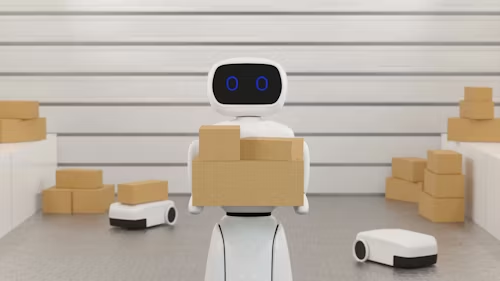
The market for autonomous mobile robots (AMR) is maturing rapidly. We are seeing a decisive shift as businesses move from testing pilot programs to deploying fully integrated fleets.
This growth is driven by a simple economic reality: businesses need a reliable, scalable solution to handle repetitive physical tasks, and the technology has finally reached a point where the ROI is clear.
Commercial service robots are becoming standard infrastructure in logistics, healthcare, and hospitality. In regions facing labor shortages, these robots are essential for maintaining operational continuity, particularly in "last-mile" delivery and facility maintenance.
Intelligent Fleets: Integration with AI and IoT allows these robots to communicate with each other and optimize routes dynamically, rather than just following a fixed path.
Robotics-as-a-Service (RaaS): This model converts high upfront capital expenditures into manageable operating costs, allowing businesses to scale automation up or down based on demand.
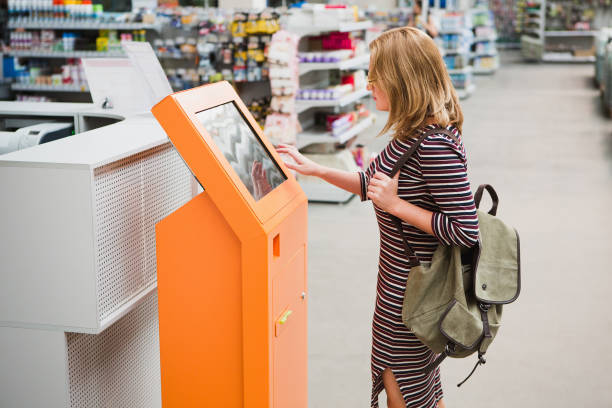
In the sector of unmanned retail, "Cashless" is becoming the industry standard for 2026. This trend is not merely about payment methods; it is about adopting contactless payment solutions to maximize transaction speed and security.
Modern systems integrate diverse digital wallets and QR code scanning directly into the checkout workflow. This seamless integration resolves key operational pain points.
Operational Efficiency: Eliminating cash handling removes the labor costs associated with counting, reconciling, and transporting money.
Remote Management: Cloud-based platforms provide real-time visibility into sales data and inventory levels, allowing operators to manage hundreds of machines from a single dashboard.
Customer Experience: Removing physical payment barriers reduces transaction time, directly increasing throughput during peak hours.
Advanced cashless solutions create a win-win scenario, enhancing the experience for the end-user while streamlining operations for the business owner. The benefits are clear and directly impact both revenue and customer satisfaction.
| For Operators | For Customers |
|---|---|
| ✅ Eliminates labor costs tied to cash management and counting. | ✅ Offers a quick, simple, and familiar payment process. |
| ✅ Provides valuable sales analytics for better business decisions. | ✅ Enhances security with encrypted digital transactions. |
| ✅ Simplifies remote inventory tracking and financial reporting. | ✅ Improves the overall self-service experience with less friction. |
Our AI-powered kiosks print custom phone cases in 120 seconds, offering a high-margin product with minimal overhead. With a robust 3-year warranty, no monthly software fees, and remote management, operators can target a payback period of around 30 days in high-traffic venues. Explore the hardware built for reliable, automated revenue.
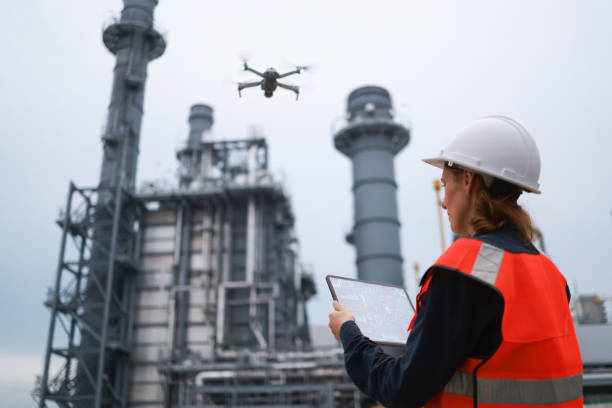
A key driver for the commercial drone market is the shift in defense procurement strategies. Defense sectors globally are increasing their investment in unmanned systems, shifting focus from high-cost, specialized platforms to affordable, mass-producible hardware. This strategic shift accelerates the development of reliable, lower-cost components, effectively reducing the R&D burden for the private sector.
This maturation of technology is enabling the commercial UAV (Unmanned Aerial Vehicle) market to expand into BVLOS Operations (Beyond Visual Line of Sight). By 2026, the standard for industrial inspection will be autonomous flight. Drones will monitor infrastructure such as pipelines, power grids, and shipping lanes without requiring a pilot to be physically present.
AI-Driven Inspection: Onboard AI analyzes thousands of aerial images in real-time to automatically identify anomalies like structural cracks or thermal leaks.
Extended Connectivity: Innovations in communication allow drones to operate securely in remote areas, acting as mobile data relays to maintain connection over vast distances.
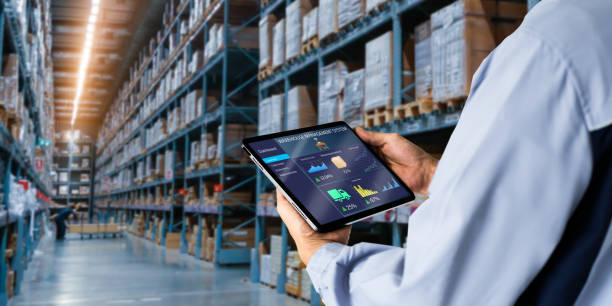
Traditional inventory management relies on historical data, which means ordering stock based on what sold last month. Retail automation in 2026 is defined by "Predictive Stocking."
AI inventory management utilizes real-time data streams to predict immediate demand. Instead of looking backward, the system analyzes live signals, such as local events, weather patterns, and real-time sales velocity, to optimize stock levels dynamically.
Cost Reduction: Retailers significantly reduce capital tied up in excess stock and minimize waste from perishable goods.
Precision Logistics: Major retailers are leveraging this technology to customize distribution. Algorithms analyze store-level data to pack delivery trucks with the precise inventory needed for that specific location, preventing stockouts of high-demand items.
Major companies like Walmart use this model in their massive distribution centers. AI and robotics work together to analyze live store data and local demand, building "perfect pallets" for each delivery truck.
This process ensures that every shipment is precisely customized for an individual store’s immediate needs. The right products get to the right place at the right time, minimizing both overstock and empty shelves.
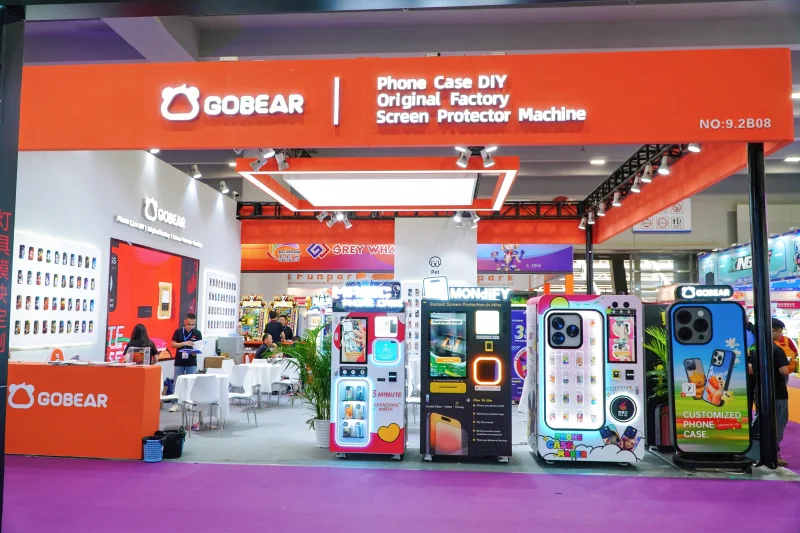
The defining theme for 2026 is intelligent efficiency. Whether it is Edge AI reducing computing costs or unmanned retail systems streamlining transactions, the objective is to build operations that are leaner, faster, and more responsive.
We are already seeing this successfully applied in niche markets. A prime example is Gobear, a manufacturer leading the charge in automated accessory retail. By deploying phone case vending machines and automatic screen protector machines, we demonstrate exactly how businesses can leverage autonomous hardware to offer on-demand customization without the overhead of traditional staff.
The technology has moved beyond the experimental phase. The question for businesses is no longer if they should adopt autonomous systems, but how quickly they can integrate specialized solutions to maintain a competitive advantage.
Contact us today to discuss how our smart retail solutions can help you capture these emerging trends and grow your business!
It’s a mix of digital identity and AI surveillance. Since customers log in via digital wallets, their identity is tied to the transaction. Plus, smart cameras and sensors track product movement in real-time, which is often more effective than a sleepy security guard.
While it varies, most businesses see a return within 12 to 18 months. The math is straightforward: by cutting out labor costs (which are rising) and extending operating hours to 24/7, the margins improve significantly faster than traditional stores.
This is exactly why Edge AI is critical. A good system processes data locally on the machine. This means your kiosk or robot keeps working and accepting transactions even if the cloud connection stutters, syncing the data later when it's back online.
Generally, yes. Modern autonomous hardware is built with open APIs. Whether you use Salesforce, SAP, or a custom ERP, these systems are designed to "plug and play" so your inventory and sales data flow automatically into your existing dashboards.
Actually, it’s easier than older machines. IoT sensors provide predictive maintenance, alerting you to a potential issue before the machine breaks. You fix it on your schedule, preventing costly downtime.
Tell us about your business goals, and our experts will provide a tailored solution and a detailed profitability report. Let's start building your new revenue stream together.