How to Start A Phone Case Vending Machine Business - GOBEAR
Start a phone case vending machine business with low costs, high profits, and tips on setup, legal steps, and choosing t...

I'm the COO of GOBEAR. We help entrepreneurs, mall operators, 3C mobile stores, event venues, and campus retailers tap into high-margin, low-maintenance vending models.
Every day, people pay $15–$30 just to get a clean, bubble‑free screen protector on their phone. A screen protector vending machine lets you capture that demand 24/7 without hiring staff—but only if the costs, pricing, and payback period add up in your favor. In this article, we walk through real‑world hardware costs, shipping, locations, and ROI so you know exactly what you are getting into.
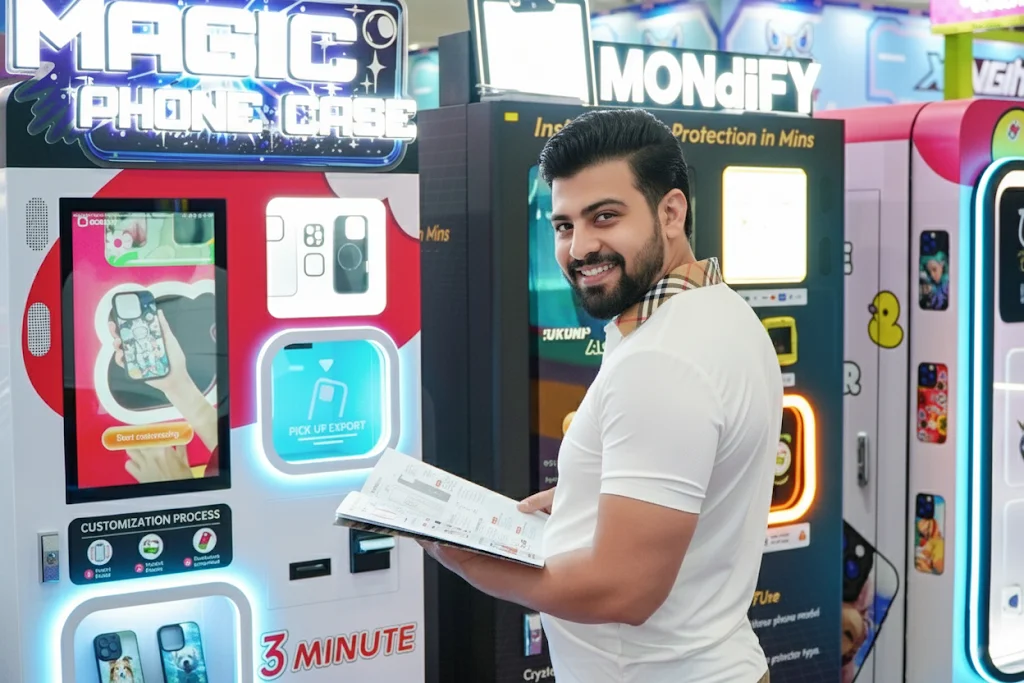
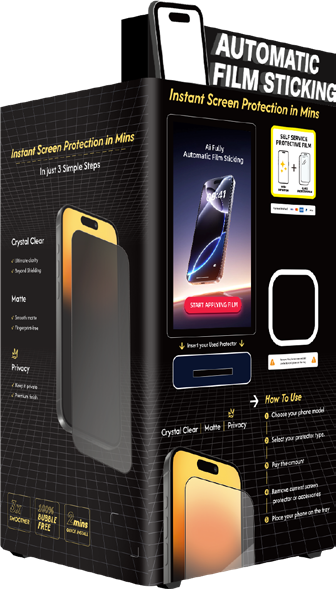
Most commercial screen protector vending machine setups land somewhere between about $8,000 and $12,000 per machine. This usually covers the hardware, a starting batch of inventory, and basic logistics to get the unit ready to operate.
To set a realistic startup budget, break your initial spend into a few clear parts:
Base Hardware: Plan from around $8,000 for the main machine, touch screen, internal cutting system, and basic software. Higher-end models with more features cost more.
Initial Inventory: Many operators start with at least 2,000 screen protector films so they do not run out of stock in the first few weeks.
Logistics and Integration: Set aside budget for international freight, customs duties, and payment gateway setup. These extra charges can add a noticeable percentage on top of the factory price.
For many operators, a budget of around $12,000 per screen protector vending machine is a common starting point for a serious, turnkey setup. Instead of buying everything separately, this type of package usually includes a ready‑to‑run machine, some film inventory, software access, and basic support.
Turnkey Setup: A full package often comes in at about $12,000 per machine, though some deals are a bit lower or higher depending on options and order size.
Units Needed to Pay Back: With typical pricing and costs, many operators make back their investment after roughly 600–650 installations, but the exact number changes with rent, fees, and selling price.
Time to Break Even: In very busy locations, some machines break even in around 30 days. More commonly, operators should plan for a payback time in the 3–6 month range.
Warranty and Remote Control: Turnkey machines usually include cloud management and a multi‑year warranty, so you have fewer surprise repair bills and can monitor performance from your phone or laptop.
Use these figures as guides, not promises. Your actual results depend heavily on location quality, foot traffic, and your pricing strategy.
Shipping, customs, and regular restocking are key parts of your true screen protector vending machine cost. Ignoring these numbers is one of the most common reasons operators miss their break-even targets.
When you ask about the screen protector vending machine price, do not look only at the factory quote. You should also ask for a “door‑to‑door” or “landed” price that includes:
Machine price
Export and import paperwork
International freight and insurance
Customs duties and taxes
If you only budget based on the base machine price, you may be surprised by extra invoices at the port or from your freight forwarder. Many suppliers now bundle shipping, taxes, and a starter inventory into a single package price, which makes your startup cost easier to plan and reduces the risk of hidden fees.
Once the machine is running, you will also pay for regular inventory restocks and the time it takes to service each location. In many markets, wholesale screen protector films cost roughly $1.50–$3.00 per unit, depending on film quality, supplier, and order volume, with some operators achieving lower prices through large orders or local stock.
Besides the film itself, you also need to think about:
Shipping cost on each restock
How long does the film take to arrive
How far do you have to drive to refill machines
Time spent on-site, topping up stock, and checking the machine
If your locations are spread out or hard to reach, travel and time can quietly push your real costs up and extend your payback time.
Most operators spend around $100–$600 to install each screen protector vending machine, mainly depending on local labor rates and how complex the site is. This covers getting the machine into place, connecting power, finishing basic configuration, and making sure payments work smoothly.
When you plan your screen protector vending machine budget, separate installation and site costs into clear pieces:
Infrastructure Setup: Electrical work, new outlets if needed, and any protection or wiring changes required by the site.
Location Leasing: Monthly rent or revenue‑share fees at malls, airports, train stations, cinemas, or other high‑traffic spots. Some locations charge a flat fee, others take a percentage of sales.
Digital Setup: One‑time configuration of card readers, mobile payments, merchant accounts, and internet connection (Wi‑Fi or 4G/5G) so your screen protector vending machine can go online.
Newer screen protector vending machines are designed to be as plug‑and‑play as possible. After the machine is in place and powered on, operators log into a cloud dashboard to:
Set prices and promotions
Turn payment methods on or off
Map each machine to its physical location
View live sales and inventory data
Because software and phone templates update over the air, you do not need a technician on‑site every time a new phone model comes out. This helps keep maintenance simple and reduces downtime.
One of the biggest advantages of a screen protector vending machine business is the low monthly operating cost compared to a staffed phone accessory shop. For most operators, a typical machine costs around $50–$250 per month to keep running, depending mainly on rent, restocks, and data plans.
Most ongoing costs fall into two main groups:
Location Fees: Many venues charge about $50–$200 per month in fixed rent, or take around 10–20% of your sales as a commission. Better locations with higher foot traffic usually ask for more.
Consumables and Maintenance: Film refills and basic maintenance supplies often add another $20–$50 per month for each machine, assuming moderate to strong sales.
Because these machines use little power and only small amounts of mobile data, they are often cheaper to run each month than food and drink vending machines or a staffed retail kiosk.
Labor is usually the highest cost in traditional retail, but screen protector vending machines use automation and IoT to keep this down. Operators use a cloud dashboard to check:
Today’s sales for each machine
Remaining film stock by model
Error alerts and downtime
With this live data, you only visit a location when you know it needs film or a quick check. Many operators find that high‑traffic machines only need to be refilled once every 7–10 days, which keeps travel time under control.
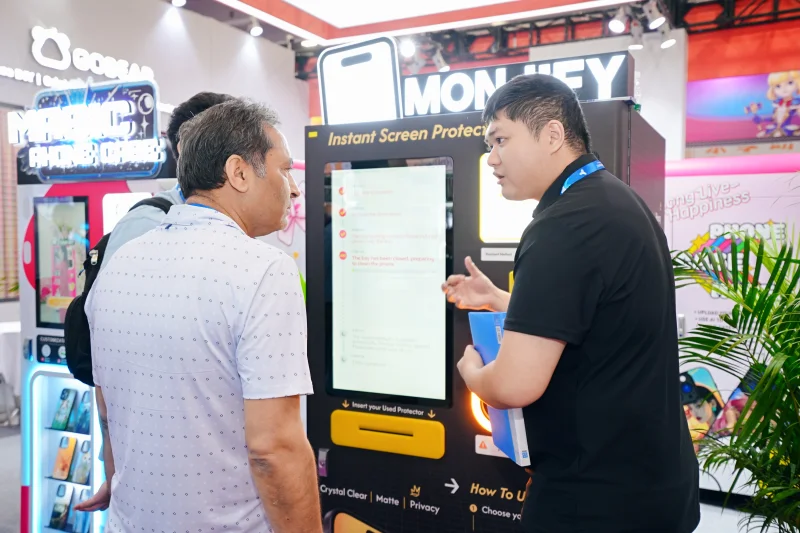
Most commercial screen protector vending machine setups start around $8,000 for a basic machine and go up to roughly $12,000 or more for a full, turnkey configuration. Because the cost of each film is low and the selling price is much higher, operators often aim for 40–60% gross margin on sales, and sometimes more in very strong locations.
|
Scenario |
Initial Investment |
Gross Margin Target |
Estimated ROI |
|---|---|---|---|
|
Entry-Level Configuration |
Starts around $8,000 |
Variable |
Strongly location dependent |
|
Full-Service Deployment |
~ $12,000 (All‑in) |
40% – 60% |
Around 3–4 weeks in top locations |
Real‑world ROI changes by location, selling price, rent, transaction fees, and uptime, so you should treat these numbers as examples, not fixed promises.
An entry‑level screen protector vending machine setup usually needs about $8,000 in starting capital. This gives you the main hardware and basic software needed to begin operating. With this path, the operator often handles their own freight, customs, and payment setup, which can save on package pricing but requires more hands‑on work, especially in the early months.
A full‑service setup bundles the machine, payment integration, freight, customs, and a first batch of film into a single package. The profit model is based on the gap between your film cost and your selling price:
Example Film Cost: Around $1.35 per unit, when buying in bulk and optimizing logistics.
Typical Selling Price: Many operators charge somewhere between $15 and $30 per installation, often landing in the $17–$25 range depending on country and venue.
Example Monthly Profit Potential: In a very busy, high‑traffic location, monthly gross profit can reach roughly $10,000–$12,000, assuming high daily transaction volume and good uptime.
Because a single sale can produce a healthy profit margin, a well‑placed machine can pay for itself fairly quickly. In top‑tier locations, some operators see payback in about one month, but most should plan for a 3–6 month payback period as a more realistic target.
A well‑placed screen protector vending machine can deliver solid margins with very little daily work. To get there, you need a clear picture of your real costs, your selling price, and how long it will likely take to break even.
GOBEAR is a factory‑based manufacturer focused on automatic screen protector machines, offering integrated hardware, software, and cloud tools for operators. If you are ready to model your own locations and see a realistic cost and ROI range, contact us today to discuss a machine setup tailored to your business.
Most operators invest about $8,000–$12,000 per machine, including hardware, basic software, and starter film. The final cost depends on whether shipping, customs, installation, and payment setup are bundled in.
In top locations, some machines break even in about 30 days, but 3–6 months is a more realistic target. Actual payback depends on daily sales, rent or commission, and your average selling price.
Profit usually starts to feel meaningful at around 10–15 paid installations per day. At lower‑traffic sites with 5–8 sales daily, machines can still work, but profits are smaller, and payback takes longer.
Expect to spend roughly $50–$250 per month per machine, mainly on rent or commission, film refills, payment fees, and data. Higher‑rent locations cost more but often generate stronger overall profit.
Great locations combine heavy foot traffic with people already using their phones—malls, airports, transit hubs, cinemas, and phone shops. Areas where people wait, like food courts, also tend to drive more impulse installs.
Tell us about your business goals, and our experts will provide a tailored solution and a detailed profitability report. Let's start building your new revenue stream together.