Latest Phone Case Design Trends: What Customers Want in 2025 - GOBEAR
Latest Phone Case Design Trends for 2025 include bold colors, eco-friendly materials, smart features, and customizable s...

I'm the COO of GOBEAR. We help entrepreneurs, mall operators, 3C mobile stores, event venues, and campus retailers tap into high-margin, low-maintenance vending models.
A screen protector vending machine looks simple from the outside, but inside it relies on multiple hardware systems working together in precise sequence. From inventory storage and film selection to automatic installation and payment processing, every component plays a role in delivering a fast and accurate service.
In this guide, we break down the key hardware components inside a modern screen protector vending machine and explain how each system supports reliable automated operation.
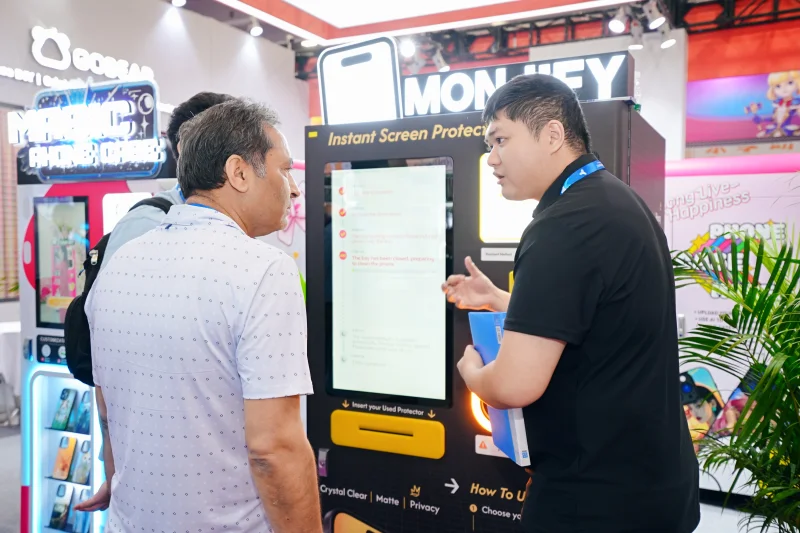
An automatic screen protector vending machine combines inventory management, precision installation hardware, and smart payment technology.
The following table summarizes the core hardware systems typically found inside these machines.
|
Hardware Component |
Primary Function |
|---|---|
|
Main Control Board |
Coordinates all electronic systems and motors |
|
Film Storage System |
Stores thousands of screen protectors |
|
Film Selection Mechanism |
Retrieves the correct protector for each device |
|
Cleaning Module |
Prepares the phone screen before installation |
|
Application System |
Installs the screen protector automatically |
|
Payment Module |
Processes transactions and manages revenue |
|
Touch Display |
Provides the user interface and device selection |
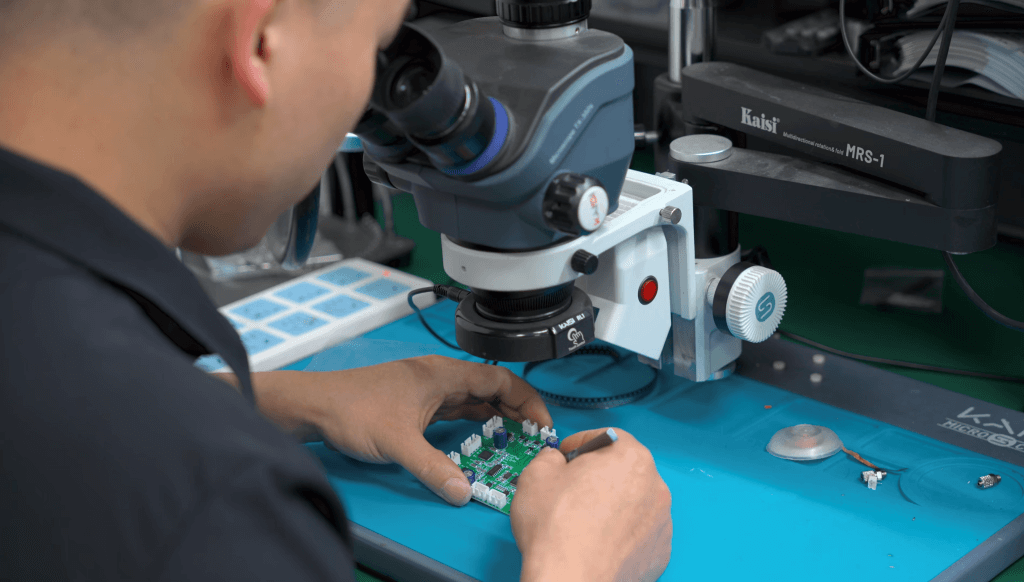
The main control board acts as the central processing hub of the vending machine. It manages communication between sensors, motors, displays, and payment systems to ensure the entire installation process runs smoothly.
Because the machine must coordinate multiple mechanical actions in sequence, the controller constantly monitors system status and synchronizes each hardware component.
Typical responsibilities of the control board include:
Processing user inputs from the touch display
Activating the motors that move the film retrieval system
Monitoring alignment sensors during installation
Coordinating payment authorization before dispensing
Managing communication with remote monitoring systems
Industrial-grade control boards typically rely on microcontroller units (MCUs) with multiple input and output channels. These processors support communication protocols such as I2C and SPI, allowing them to manage displays, sensors, and payment devices simultaneously.
Stable power regulation circuits, decoupling capacitors, and protection diodes are also integrated into the board to maintain reliable operation under continuous retail usage.
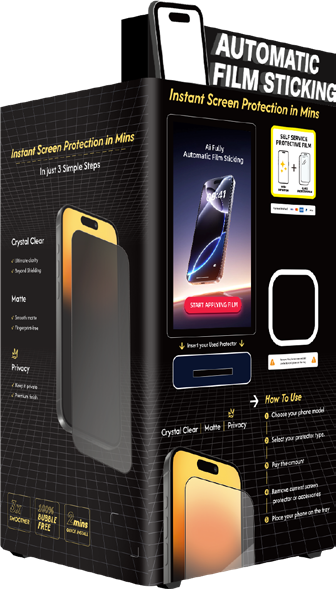
These systems manage high volume inventory through modular lanes holding up to 5,400 blanks, using laser guided feeds to align protectors with 0.1mm accuracy inside HEPA filtered chambers.
Operators require dense inventory management to maximize machine uptime. Modern screen protector vending machines use modular cargo lane systems to organize consumable stock. These physical structures hold up to 5,400 individual blanks within a single machine footprint.
This high capacity allows operators to run true multi-SKU operations. The internal storage supports over 2,000 distinct device profiles simultaneously. The hardware automatically pulls the exact required blank, which reduces manual restocking trips and prevents missed sales from out of stock scenarios.
Once the system selects a blank, the mechanical delivery feed takes over. Dust and poor alignment ruin screen protector applications, so the hardware executes the entire process inside a heavily controlled internal environment.
The delivery architecture relies on specific mechanical sensors and environmental controls to ensure a clean application:
Alignment Accuracy: Laser sensors guide the film during the feed process to achieve a strict 0.1mm placement tolerance.
Contamination Control: Built-in HEPA filtered air chambers and UV sterilization modules eliminate 99.97 percent of dust particles before the film touches the device.
Cycle Speed: The mechanism completes the entire storage-to-application routine in exactly 120 seconds.
Waste Management: The feed system strips the protective backing material and mechanically directs it into a dedicated recyclable waste bin.
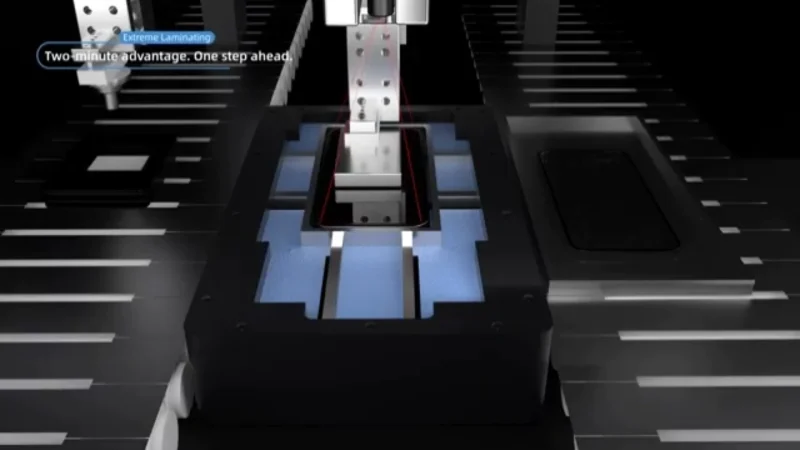
The automatic installation module is the most technically sophisticated component of the vending machine. This system aligns the screen protector with the smartphone display and applies it with consistent pressure.
The installation process typically involves several stages:
The protector is positioned above the screen using mechanical guides.
Sensors verify alignment with the edges of the phone display.
A controlled press mechanism applies the protector evenly.
Hardware used in this system commonly includes:
Vacuum positioning systems to hold the protector in place
Optical alignment sensors for accurate positioning
Roller press mechanisms that apply uniform pressure
Bubble removal rollers that push trapped air outward
These technologies allow the machine to perform a professional-quality installation automatically in just a few minutes.
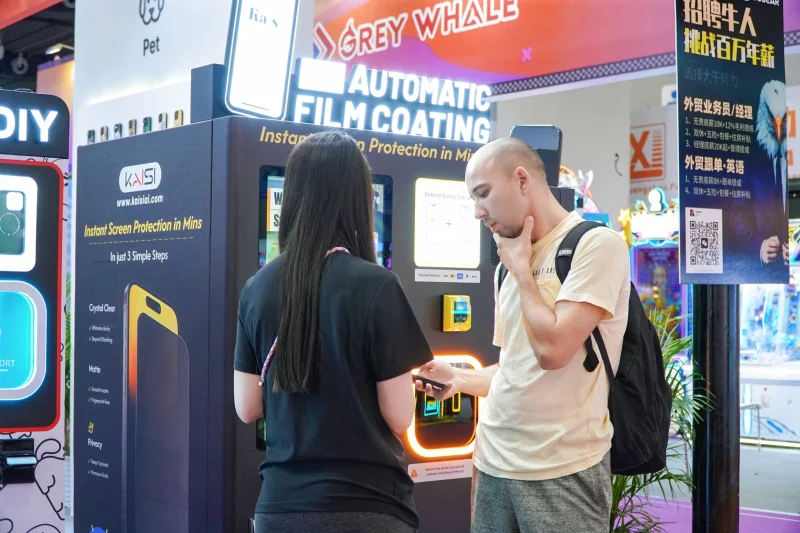
The payment system processes transactions and authorizes the vending machine to dispense a screen protector. Because vending machines operate in different retail environments, modern systems support multiple payment options to accommodate different customer preferences.
The table below shows the most common payment methods integrated into screen protector vending machines.
|
Payment Method |
Description |
Key Benefit |
|---|---|---|
|
Credit and Debit Card Payments |
Integrated card readers process standard bank card transactions. |
Widely accepted payment option used by most customers |
|
Contactless NFC Payments |
Supports tap-to-pay transactions using contactless cards or mobile wallets. |
Faster checkout and improved user convenience |
|
QR Code Mobile Payments |
Built-in scanners allow customers to pay through mobile payment apps. |
Popular payment method in many international markets |
|
Cash and Coin Acceptance |
Some machines include bill validators and coin mechanisms. |
Suitable for locations where cash payments remain common |
Supporting multiple payment methods helps vending machines capture more transactions and provide a smoother purchasing experience for customers in different markets.
High definition touch screens and intuitive software let users select device models, customize designs, and process payments completely unassisted.
Interactive touch displays serve as the primary communication bridge between the consumer and the operating system. These interfaces strip away outdated physical buttons and eliminate the need for manual staff guidance on the retail floor.
The system software guides buyers using step-by-step visual instructions and AI-driven design assistants. This logic makes automated customization highly accessible to everyday consumers. Buyers always view their final product on a large preview screen to verify precise details before they confirm the transaction.
Operators deploy hardware configurations tailored to high traffic environments. Premium units utilize displays up to 21.5 inches, giving users an expansive canvas to execute exact design adjustments.
Screen Real Estate: Displays scale up to 21.5 inches for maximum visibility and input accuracy.
Global Localization: Built-in operating software features multi-language interfaces to capture diverse consumer demographics across international markets.
Database Integration: The user interface connects directly to cloud databases containing precise dimensions for over 2,000 distinct smartphone models.
This exact pairing of oversized display hardware and deep software integration guarantees accurate product selection and zero friction during the purchase cycle.
Reliable hardware is the foundation of a successful screen protector vending business. When storage systems, alignment mechanisms, and payment hardware work together smoothly, you deliver faster service and a better customer experience.
If you are exploring automatic screen protector machines, GOBEAR focuses on designing dependable systems built for real retail environments. Ready to launch your automated screen protector business? Contact us today to get a quote and start your successful vending machine business.
Most machines include a built-in database containing thousands of smartphone models. Users simply select their device on the touchscreen, and the system retrieves the correct screen protector size and installation settings automatically.
Storage capacity varies by machine design. High-capacity models can store thousands of premade screen protectors inside modular inventory slots, allowing operators to support many phone models while reducing the need for frequent restocking.
Payment systems, dispensing mechanisms, touchscreen displays, and cooling components are the most common sources of maintenance issues. The exact failure rate depends on machine quality, usage frequency, and the reliability of the internal hardware design.
Most machines support common screen protector materials such as TPU film, PET film, and tempered glass. Compatibility depends on the machine design and the installation mechanism used to apply the protector.
Most modern machines complete the full process in about one to two minutes. This includes device selection, film preparation, and automatic installation, allowing customers to receive a professionally applied screen protector very quickly.
Tell us about your business goals, and our experts will provide a tailored solution and a detailed profitability report. Let's start building your new revenue stream together.