Best Locations for a Screen Protector Vending Machine in 2026
Discover the best locations for a screen protector vending machine. Maximize profits in high-traffic spots. Scale your b...

I'm the COO of GOBEAR. We help entrepreneurs, mall operators, 3C mobile stores, event venues, and campus retailers tap into high-margin, low-maintenance vending models.
If you do not know which vending machines actually need service today, your routes are probably costing more than they should. Remote monitoring helps operators check inventory, machine status, and faults in real time, so they can restock and service machines based on actual need instead of fixed routines.
That is why telemetry has become an important tool for improving vending machine ROI. In the sections below, we look at how it helps reduce downtime, support smarter replenishment, and improve operating efficiency across a growing fleet.
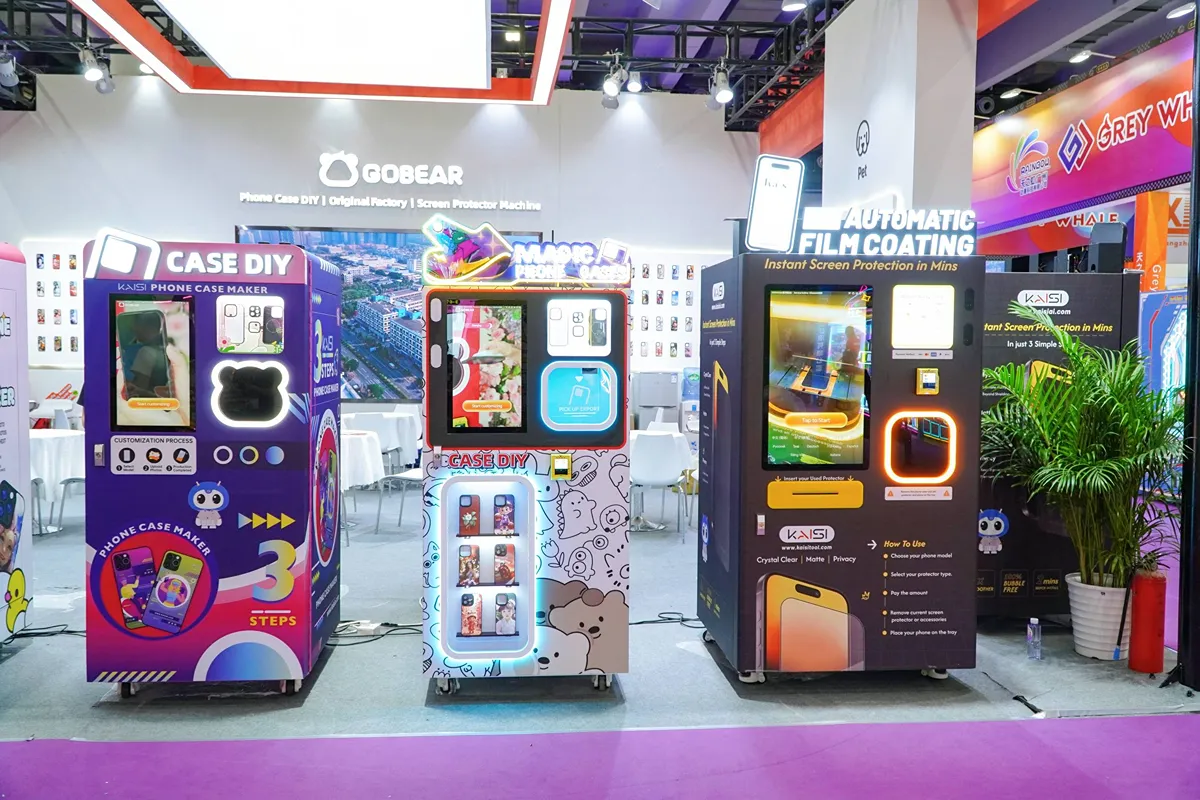
Remote monitoring helps you manage vending operations in a more proactive way. Instead of relying mostly on manual, reactive checks, you can use telemetry hardware, network connectivity, and cloud software to stay informed. With the right setup, you can review inventory levels, machine health, sales activity, and selected alerts without visiting each machine in person.
Telemetry systems generally rely on three core elements to collect and transmit machine data. Together, these components help you monitor machine activity more clearly and respond faster when issues appear.
Microprocessors or telemetry modules: These devices connect to supported machine interfaces and collect operational data such as sales events, inventory signals, and machine status.
Cellular or Wi-Fi connectivity: These networks send machine data to a remote platform. However, transmission speed and stability still depend on the local communications environment.
Cloud-based dashboards: These platforms organize incoming data in one place. This allows you to review machine status, inventory, alerts, and historical performance more easily.
Modern remote monitoring often uses IoT architecture to connect individual vending machines to centralized software. This gives you continuous visibility and supports faster decision-making.
This cloud-based approach can help you monitor sales, track stock levels, review faults, and, in some systems, adjust settings remotely. The exact features still depend on machine compatibility and software functions.
Some platforms also support remote firmware or software updates for connected modules. This can reduce certain on-site service needs. However, available remote functions vary by vendor, hardware generation, and machine interface standards.
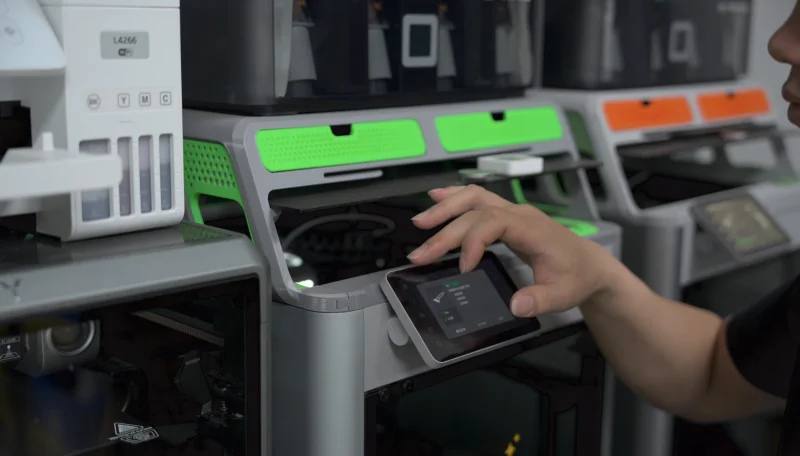
Real-time inventory tracking helps you see what is selling, what is running low, and which machines need attention first. This visibility can reduce unnecessary site visits, lower the risk of stockouts, and improve product planning across multiple locations.
Telemetry and inventory software have reduced the need for manual inventory checks in many modern vending operations. These systems record sales and stock-related data automatically, giving you a clearer view of product movement and replenishment needs.
Key functions include:
Continuous inventory visibility: You can monitor product depletion remotely instead of relying only on scheduled physical checks.
Automated par level alerts: Systems can send notifications when stock falls below defined thresholds. This helps you prioritize replenishment and reduce lost sales from empty selections.
Sales analytics integration: Inventory and transaction data can be reviewed together. This helps you identify faster-moving items and improve assortment decisions by location.
This kind of automation supports a shift away from routine blanket visits and toward more targeted service planning. Instead of sending drivers to every machine on a fixed schedule, you can prioritize the machines that actually need restocking or inspection.
When your telemetry hardware is connected to a cloud platform, you can manage multiple machines from a single dashboard. Depending on the system, you may be able to review revenue trends, inventory status, alerts, and selected machine settings without dispatching a technician for every routine check.
Cloud dashboards can give you a clearer view of day-to-day operations. They also help you make decisions based on actual machine data instead of guesswork.
Remote operational visibility: You can view near real-time sales, machine status, and stock conditions across your fleet.
Built-in data insights: Dashboards can reveal product performance by machine or location. This helps you refine product mix decisions using actual sales patterns.
Longer restocking intervals in some cases: If a machine has enough capacity and sales velocity is predictable, remote tracking may let you extend restocking intervals without increasing stockout risk.
Using actual machine data instead of guesswork can help you protect margins. It improves your chances of keeping high-demand products available while reducing service runs that do not create value.

Fault and alert systems use machine signals and connected software to identify issues earlier and help you respond faster. Compared with purely manual monitoring, this can reduce downtime, improve service prioritization, and support more efficient route planning.
Real-time error detection relies on a mix of machine data points, sensors, and telemetry logic to monitor key operating conditions. When a monitored parameter moves outside its expected range, the system can register the event and notify you.
Commonly monitored conditions may include:
Internal temperature: This is useful for machines that depend on temperature control. It can help you detect cooling issues before they turn into larger service or product-quality problems.
Power status: This can help you identify power loss or electrical interruptions more quickly than a scheduled manual check would.
Mechanical or operational faults: Depending on machine capabilities, systems may flag dispensing issues, communication failures, or door-related events for review.
Once a fault is detected, many platforms can send alerts by email, SMS, or in-app notification. This faster flow of information gives you a better chance to address problems before they lead to prolonged downtime or repeated lost sales.
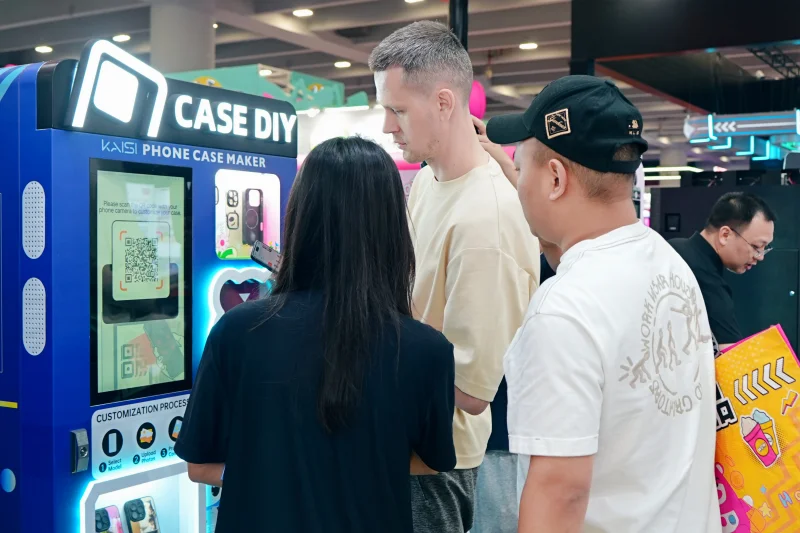
Operators often lose time and money when they visit machines that do not actually require service. Telemetry systems help solve this by monitoring selected data points such as inventory levels, power status, and machine alerts between visits.
Centralized platforms can send notifications when stock drops below target levels or when certain machine errors occur. This makes maintenance and replenishment more targeted and may improve financial performance in several ways.
Instant notifications: Many systems can alert you quickly through email, SMS, or app-based messages when a fault or low-stock condition is detected.
Route optimization: Real-time machine data allows you to focus service schedules on locations that need action instead of treating every stop as equally urgent.
Cost control: Fewer unnecessary trips can reduce fuel use, labor hours, and avoidable route expenses, especially across larger fleets.
Managing a distributed vending fleet requires visibility across many locations, and cloud dashboards are designed to provide that oversight. With connected telemetry, you can monitor performance trends and service needs from one interface instead of depending entirely on on-site review.
Remote capabilities may include:
Financial oversight: You can review sales activity and product velocity by machine or location.
System adjustments: In supported environments, you may be able to change selected settings or update software remotely.
Inventory pacing: Better stock visibility can support more efficient replenishment cycles, though the right schedule still depends on demand, machine capacity, and route economics.

Remote monitoring can improve ROI by reducing avoidable operating costs and helping operators protect sales that might otherwise be lost to stockouts or delayed service.
The strongest financial impact usually comes from better replenishment decisions, faster fault response, and more efficient use of labor across the fleet.
|
Performance Metric |
Likely Impact of Remote Monitoring |
|---|---|
|
Maintenance efficiency |
Can improve through earlier fault visibility and better service prioritization |
|
Service visits |
Can become more targeted because operators no longer need to inspect every machine manually |
|
Stock availability |
Can improve when low-inventory alerts support timely replenishment |
|
Revenue opportunity |
Can improve when popular items stay in stock and downtime is reduced |
Traditional vending operations often depend heavily on fixed routes and periodic manual checks, which can create waste when machine demand varies significantly by location.
Adding telemetry does not guarantee a specific profit outcome, but it can improve ROI when the operational savings and sales gains outweigh the cost of hardware, connectivity, and software.
The financial upside generally comes from two areas:
Cost reduction: Better route planning, fewer unnecessary visits, and earlier fault detection may lower labor, fuel, and service inefficiencies.
Revenue support: Better inventory visibility and location-level sales insights can reduce stockouts and improve product mix decisions, which may increase sell-through over time.
Remote monitoring gives you a clearer way to run and scale your vending business. With better inventory visibility, faster fault response, and fewer unnecessary service trips, you can improve uptime, control operating costs, and strengthen long-term ROI across a growing fleet.
For businesses putting this model into practice, GOBEAR is a specialized manufacturer of DIY phone case vending machines and automatic screen protector vending machines. The company focuses on smart retail automation and remote fleet management for mobile accessory vending.
Ready to build a more efficient vending business? Contact us today to explore the right machine solution for your market.
Tell us about your business goals, and our experts will provide a tailored solution and a detailed profitability report. Let's start building your new revenue stream together.