The Complete Guide to DIY Phone Case Vending Machine ROI in 2025 - GOBEAR
Master ROI calculation for DIY phone case vending machines. Complete 2025 guide covers investment costs, profit margins,...

I'm the COO of GOBEAR. We help entrepreneurs, mall operators, 3C mobile stores, event venues, and campus retailers tap into high-margin, low-maintenance vending models.
If you’ve ever wondered which vending machines actually make the most money, you’re in the right place. The vending industry has evolved far beyond snacks and sodas, and today’s most profitable vending machines combine smart technology, product innovation, and strategic placement to deliver strong returns. In this guide, you’ll discover which vending machines stand out in 2026, why they generate higher profits, and how you can start maximizing your vending machine profit.
Gobear has carved out a distinct niche with its AI-powered mobile phone case customization machines designed for high-traffic commercial environments. These units let you offer personalized products instantly, without the need for on-site staff. The interactive user experience keeps customers engaged and encourages repeat sales. With 120-second UV printing, you can deliver custom designs quickly, while full compatibility with major phone brands expands your market reach.
You can choose from OEM, ODM, or private label models to maintain control over your product design while simplifying production. Backed by 156 patents, a 3-year warranty, and active deployment in more than 50 countries, Gobear helps reduce operational risks and ensures innovation stays consistent. Its cloud-based management system lets you monitor performance remotely, minimizing downtime and keeping inventory optimized. Strategic placement in malls, entertainment venues, or 3C retail stores can help you reach consumers with high discretionary spending and maximize business ROI.
Main Products: customized mobile phone cases
Main Markets: Shopping malls, entertainment venues, retail chains, corporate offices, international markets
Buying Cost: $10,000 – $15,000 (depending on configuration)
Maintenance Cost: Low (Automated cleaning & remote monitoring)
Average Sale: $25 – $45 per case
Profit Margin: 75% – 85%
| What We Love | Things to Consider |
|---|---|
| Advanced AI customization with fast UV printing | Focused niche on mobile phone accessories |
| Low operational costs and automated cloud-based management | Initial investment around $12,000 |
| Strong global presence and extensive patent portfolio | Requires placement in high-footfall areas for best ROI |
Bulk vending machines consistently deliver some of the highest profit margins in the industry, often exceeding 500% ROI per stock refill. Their fully mechanical operation eliminates utility costs, which keeps overhead low and simplifies expansion. These machines perform best in malls, arcades, and family entertainment venues where impulse purchases are frequent.
Because supply chains are simple and maintenance needs are minimal, you can easily scale across multiple locations. However, since product options are limited and individual sales are low in value, securing spots with steady family traffic is key to maintaining strong turnover.
Main Products: Gumballs, toys, collectibles
Main Markets: Family venues, malls, arcades
Buying Cost: $200 – $1,500
Maintenance Cost: Near zero (Mechanical parts)
Average Sale: $0.25 – $2.00
Profit Margin: 500%+ (on product cost)
| What We Love | Things to Consider |
|---|---|
| Extremely high profit margins with low costs | Limited product variety and lower ticket price per sale |
| Minimal maintenance and no utility expenses | Dependence on high foot traffic, family-friendly venues |
| Scalable for multiple locations | Vulnerable to seasonal traffic changes |
Hot food vending machines are meeting growing demand for quick, hot meals such as pizza, ramen, burritos, burgers, and soups, without requiring a staffed kitchen. They perform exceptionally well in airports, universities, and office buildings where convenience justifies premium pricing.
Although the initial cost is higher due to integrated cooking and food safety systems, you can achieve strong margins thanks to higher price points and 24/7 operation. Deploying these machines in busy urban areas helps you stand out in markets dominated by traditional vending. Consistent restocking and service are essential to maintain quality and uptime, both of which are crucial for building customer trust and keeping sales strong.
Main Products: Pizza, ramen, burritos, burgers, soups
Main Markets: Airports, universities, office buildings
Buying Cost: $15,000 – $30,000
Maintenance Cost: High (Daily cleaning & safety compliance)
Average Sale: $8.00 – $15.00
Profit Margin: 40% – 60%
| What We Love | Things to Consider |
|---|---|
| High demand and premium pricing | More complex machine technology and maintenance |
| Fills a growing convenience food market | Requires careful compliance with food safety standards |
| Supports brand differentiation | Needs consistent service to maintain product quality |
Premium coffee and hot drink vending machines remain one of the most reliable income sources for vending operators. They thrive in offices, transit hubs, and universities, where customers appreciate convenience and quality. By offering barista-style beverages with customizable options, you can tap into modern preferences for personalized drinks.
Integration with mobile apps and contactless payment systems aligns with current consumer habits, while steady demand and minimal waste help sustain margins. Regular restocking and tracking competition from nearby cafés can help you maintain consistent sales.
Main Products: Coffee, tea, hot chocolate
Main Markets: Corporate offices, transit stations, educational institutions
Buying Cost: $3,000 – $8,000
Maintenance Cost: Moderate (Weekly cleaning & descaling)
Average Sale: $2.00 – $5.50
Profit Margin: 70% – 80%
| What We Love | Things to Consider |
|---|---|
| High margins with frequent repeat purchases | Requires regular maintenance and restocking |
| Personalization features enhance customer satisfaction | Competition from cafes and coffee shops |
| Customization enhances customer loyalty | Quality perception depends on ingredient sourcing |
Healthy cold food vending machines appeal to today’s wellness-conscious consumers by offering fresh salads, sandwiches, smoothies, and juices in gyms, offices, and healthcare facilities. They support premium pricing and align well with corporate wellness programs that promote healthier eating options.
To maintain profitability, freshness control, and regular restocking are vital. Targeting large office complexes or fitness centers helps offset higher logistics costs and ensures consistent demand. With good inventory management and supplier coordination, you can achieve stable profits despite higher operational complexity.
Main Products: Fresh salads, sandwiches, smoothies, cold-pressed juices, protein bars
Main Markets: Fitness centers, workplaces, health-focused venues
Buying Cost: $5,000 – $12,000
Maintenance Cost: Moderate/High (Freshness & temperature control)
Average Sale: $6.00 – $12.00
Profit Margin: 35% – 50%
| What We Love | Things to Consider |
|---|---|
| Aligns with growing health and wellness trends | Requires strict freshness and quality control |
| Supports premium pricing | Potentially higher operational complexity |
| Targets expanding consumer health market | Product waste risk if demand is misjudged |
Medicinal and health product vending machines serve customers’ immediate needs by providing OTC medicines, first-aid kits, vitamins, and CBD products in accessible, high-traffic environments. They are particularly effective in airports, malls, and gyms, where convenience drives impulse purchases.
Margins can be strong, but full regulatory compliance is essential. You’ll also need to manage secure access, stock stability, and tamper prevention to ensure product safety. By maintaining the right product mix and ensuring availability, you can build consumer trust and create dependable revenue streams.
Main Products: OTC medicines, first-aid supplies, vitamins, CBD oils
Main Markets: Travel hubs, retail centers, fitness venues
Buying Cost: $4,000 – $10,000
Maintenance Cost: Low (Long shelf life products)
Average Sale: $5.00 – $25.00
Profit Margin: 50% – 70%
| What We Love | Things to Consider |
|---|---|
| High product margins and emergency purchase value | Product compliance and regulatory requirements |
| Complements health-focused environments | Necessity for product knowledge and stocking strategy |
| Adds value to convenience-focused environments | Risk of theft or misuse in unsecured locations |
Place CaseDIY’s smart vending machines in busy locations and offer personalized phone cases printed in about two minutes. Harness easy remote management, no software fees, and flexible OEM branding to drive steady sales with a potential one-month payback based on realistic site traffic.
To choose the best investment from the six machines listed above, you must understand the financial tension between gross margin and net profit. While a machine might look profitable on paper due to high markups, the "hidden" operational costs determine how much cash actually stays in your bank account.
Gross margin measures the "space" between your cost and your price. It represents the portion of every dollar you collect that is yours to keep after paying the supplier for the item. Because the item always costs something, your gross margin will always be less than 100%.
For example, if you sell a customized case for $40 and it costs you $6 to make, your gross margin is 85%. That means 85 cents of every dollar earned is available to cover your overhead and profit.
(COGS = Cost of Goods Sold, such as the blank phone case or coffee beans)
Net profit is your actual "take-home" pay. This is what remains after you use your gross margin to pay for your operating expenses (like mall rent, electricity, labor, and machine maintenance).
(Operating Expenses = Rent/Commission, Electricity, Labor, and Maintenance)
The reason we compare these two is to see how efficiently a machine pays off its own bills. Imagine you have a $300 monthly rent for your machine's location. A bulk vending machine has a massive gross margin (500%+), but because it only makes $0.20 profit per sale, you have to sell 1,500 items just to pay the rent before you make a single penny of net profit.
In contrast, a custom phone case machine has a lower margin percentage (80%), but because it makes roughly $30 profit per sale, you only need to sell 10 items to pay the entire month's rent. Everything after the 10th sale is pure net profit. This is called "fixed cost absorption"—it's the reason why high-ticket items like phone cases are often more profitable in reality than high-margin items like gumballs.
|
Vending Machine Type |
Buying Cost |
Avg. Sale Price |
Profit Margin |
Best For |
|---|---|---|---|---|
|
Custom Phone Case |
$10,000 - $15,000 |
$25 - $45 |
75% - 85% |
Malls, Airports |
|
Bulk Vending |
$200 - $1,500 |
$0.25 - $2.00 |
500%+ (COGS) |
Arcades, Play Areas |
|
Hot Food |
$15,000 - $30,000 |
$8.00 - $15.00 |
40% - 60% |
Universities, Hubs |
|
Premium Coffee |
$3,000 - $8,000 |
$2.00 - $5.50 |
70% - 80% |
Offices, Stations |
|
Healthy Cold Food |
$5,000 - $12,000 |
$6.00 - $12.00 |
35% - 50% |
Gyms, Hospitals |
|
Medicinal/Health |
$4,000 - $10,000 |
$5.00 - $25.00 |
50% - 70% |
Travel Hubs |
While every machine on this list has its place, the customized phone case vending machine is the most profitable model in 2026. By leveraging AI to turn a $2 blank case into a $35 personalized product, it achieves the rare combination of high gross margins and high transaction values, resulting in the highest net profit for the operator.
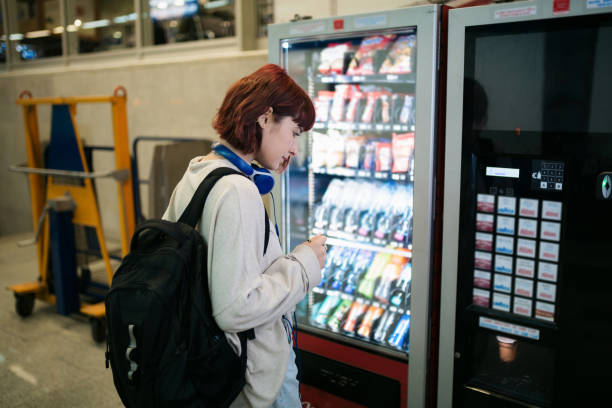
What truly makes these vending machines profitable is their ability to meet everyday needs. Whether it is snacks, drinks, or phone accessories, these machines offer products people buy on impulse and repeatedly. High traffic areas such as schools, offices, and transport hubs create steady turnover, which means consistent income. The key is that these machines rarely sit idle because people always need a quick drink, a bite, or a phone charger when they are on the go.
Another reason these models generate strong profit margins is their relatively low maintenance and restocking requirements. Compared with food service or perishable goods, non-food vending machines, such as electronics or personal care items, need restocking less frequently. This reduces both labor and transportation costs. Even snack and beverage machines benefit from simple refilling routines and standardized products that make operations smoother and more predictable.
Modern vending machines use smart technology that helps you track sales, monitor stock levels, and adjust pricing remotely. According to a global vending machine market report, this shift toward software-centric, automated retail is a primary driver of industry growth through 2027. These tools make operations more efficient while helping you identify which locations or products perform best. Over time, this data-driven approach allows you to make smarter inventory choices and improve your profits without having to expand your machine count.
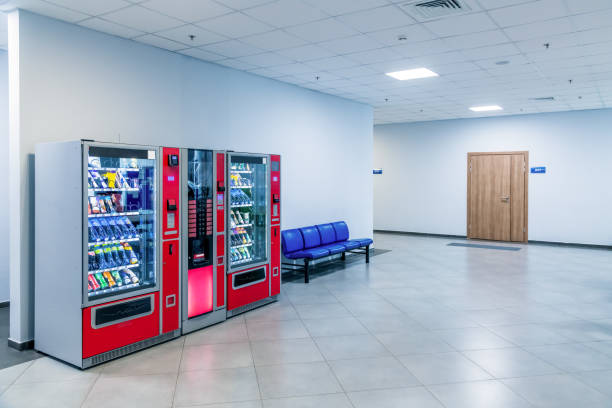
Profit in vending comes down to one word: placement. Even the best machine cannot earn if it sits where no one passes. The most successful operators study foot traffic patterns and understand human behavior. A drink machine near a gym satisfies thirst right after a workout, while a phone accessory machine at an airport targets travelers who often forget chargers. When you choose a location, focus on what people need in that specific moment. You can even run a short test period before signing a long-term agreement to see if sales meet your expectations.
Smart vending machine product selection is the heart of profitability. Your machine’s contents should never stay static because customer preferences change quickly. Use real sales data to guide which items to restock and which to replace. If bottled tea sells faster than soda in one location, adjust your inventory to match local demand. Refresh your mix with seasonal or trending products to spark impulse buys. Treat your vending machine like a living retail space that evolves with your customers rather than a static box of goods.
A clean, well-stocked vending machine does more than look good—it builds trust. Customers are more likely to buy again from a machine that’s tidy and always working. Regular vending machine maintenance prevents costly downtime and protects your reputation. Modern monitoring systems let you track inventory, performance, and even temperature remotely, allowing you to react before small issues become major problems. Combine these insights with routine physical checks, and you’ll keep your machines running efficiently while maximizing profit over time.
The vending industry in 2026 is driven by smart choices, data awareness, and adaptability. Whether you’re managing snack machines in busy office buildings or tech vending machines in airports, long-term profit comes from understanding what your customers want and placing your machines where they’re most likely to buy. With the right mix of product strategy, location insight, and consistent maintenance, even a small vending operation can grow into a dependable income stream.
If you’re considering entering the high-margin tech vending sector, Gobear is a trusted phone case vending machine manufacturer known for reliability and smart design. Their machines combine stylish displays with durable components, making them ideal for malls, airports, and event spaces.
Partner with Gobear to start your vending journey with confidence and bring convenience-driven retail to your customers today.
Margins and foot traffic determine earnings. In top locations, steady daily sales can recover your investment within weeks. Automated operation eliminates labor overhead, ensuring each transaction delivers more net profit and enabling you to scale without increasing payroll.
High-visibility locations drive sales volumes. Aligning product mix and price with local demand maintains steady turnover and healthy margins. Downtime or poor user experience erodes returns fast, so prioritize reliable machines and intuitive customer interaction.
Match your offering to local demographics, focusing on high-demand, convenient goods. Introduce higher-margin novelty or customizable items to stand out and build loyalty. Track competitors and rotate inventory quarterly to keep your product mix optimized.
Yes. Franchises offer brand recognition, training, and established systems that can accelerate success. They also include fees and operational rules that may limit flexibility. Scrutinize terms to ensure alignment with your profit targets and long-term strategy.
Industry data suggests that highly profitable vending machines generate roughly $600 per month in profit. While a standard unit usually earns between $300 and $500 monthly, high-traffic locations like airports or malls can push earnings to $1,000 to $3,000+ per machine in net profit.
Yes. Vending machines have a success rate of over 80%. Profitability is driven by low overhead, 24/7 automated sales, and the ability to scale easily. Success depends on finding the right location where people have limited options or a high need for convenience.
Tell us about your business goals, and our experts will provide a tailored solution and a detailed profitability report. Let's start building your new revenue stream together.