GTI China Expo 2025 Highlights for Amusement Industry - GOBEAR
Explore key innovations and top exhibitors shaping growth at GTI China Expo 2025 in the amusement industry.

I'm the COO of GOBEAR. We help entrepreneurs, mall operators, 3C mobile stores, event venues, and campus retailers tap into high-margin, low-maintenance vending models.
Do you swing for the fences with a futuristic, high-revenue unmanned store, or do you build a scalable network of agile smart vending machines? It’s not just a hardware choice; it’s a business model choice.
This guide cuts through the noise to compare the real costs, operational headaches, and profit potential of both, helping you decide which investment actually fits your goals for 2026.
For distributors and operators, Capital Expenditure (CAPEX) is the gatekeeper. Think of an unmanned store like a heavy infrastructure project. It’s impressive, powerful, but expensive to get off the ground. A single store requires retrofitting a room, installing security gates, and setting up complex AI camera networks.
Smart vending machines are a different ballgame. With an initial investment of $12,000 - $25,000, the barrier to entry is dramatically lower.
The Distributor’s Reality:
Instead of sinking $100k into one location that might flop, smart vending lets you split that capital across 5 to 8 different locations. You are diversifying your risk from day one.
| Metric | Smart Vending Machines | Unmanned Stores |
|---|---|---|
| Cash Upfront | Low. You can launch a small network for the price of one store. | High. Construction and tech costs eat up capital fast. |
|
Monthly Burn |
Minimal. No rent (usually revenue share), no AC bills, no cleaning crew. | Heavy. Fixed rent, utilities, and maintenance staff add up. |
| Payback Time | Fast (12-24 months). Some hot spots hit ROI in <6 months. | Slow. It takes longer to cover that massive initial spend. |
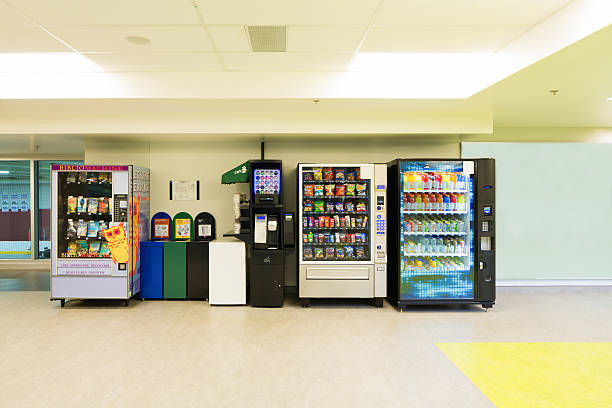
This is the part nobody tells you about until you’re signing the contract: Getting the location.
If you choose the unmanned store route, get ready to become a construction manager. You need a dedicated room (45-300 sq. ft), permits, and a landlord willing to let you drill into their walls. It’s a high-friction sale. Most office managers will hesitate when you say, "I need to renovate your lobby."
Smart vending? It’s the ultimate "Trojan Horse" for entering a property.
Tiny Footprint: It needs 10-20 sq. ft. That’s a dead corner in a hallway or a spot next to the elevator.
Zero Construction: You roll it in, plug it into a standard outlet, and you're live.
Easy "Yes": It’s incredibly easy to convince a gym or office manager to host a machine because it requires zero effort from them.
The Bottom Line: Vending machines open up 10x more potential locations because they fit where stores simply can't.
Here is where the Unmanned Store punches back. We have to be clear: If your goal is strictly raw sales volume per location, unmanned stores are the undisputed heavyweight. However, for a business owner, Revenue is vanity, Profit is sanity. Let's look at the trade-off.
Imagine a customer rushing through a train station. They don't just want a soda. They want a sandwich, a coffee, a bag of chips, and maybe a phone charger.
High Top-Line Revenue: An unmanned store encourages multi-item purchases. Your Average Transaction Value (ATV) jumps from $3 to $15+.
Premium Capabilities: You can sell fresh bakeries, hot meals, or oversized items that simply won't fit in a machine's dispensing slot.
The Catch: To maintain this high revenue, you need high traffic to cover the high rent and electricity.
Vending is a volume game. You won't get $20 transactions, but you keep a larger percentage of every dollar earned.
Low Break-Even: Because your overhead is so low (no rent, no utilities), you might only need 20 sales a day to be profitable.
Hidden Income Stream (Ads): Don't forget the screen. Modern smart vending machines have large touchscreens that act as digital billboards. You can sell ad slots to local businesses, generating pure profit on top of your retail sales—something unmanned stores rarely capitalize on.
Industry Insight: According to the Unmanned Stores Global Market Report 2025, the market is racing toward $202.65 billion. Whether you choose depth (Stores) or width (Vending), the tide is rising.
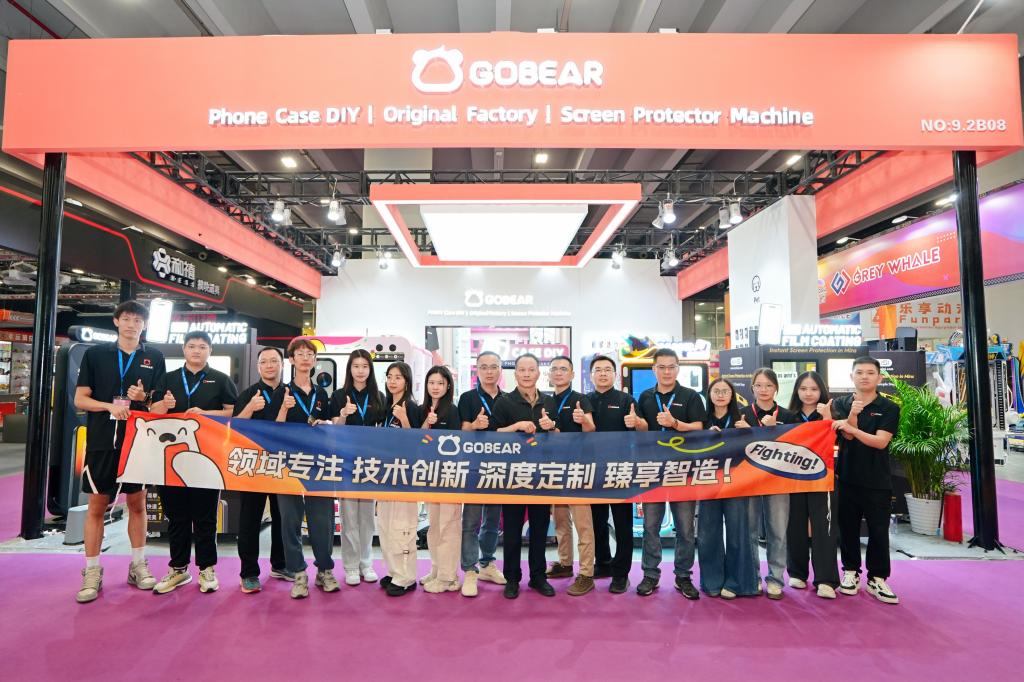
Our AI-powered kiosks print premium, personalized phone cases in about 120 seconds. This turnkey solution offers a strong revenue stream with a compelling payback model, all managed through a cloud platform with no monthly software fees. Explore the hardware built for high-traffic locations and see how it can work for your business.
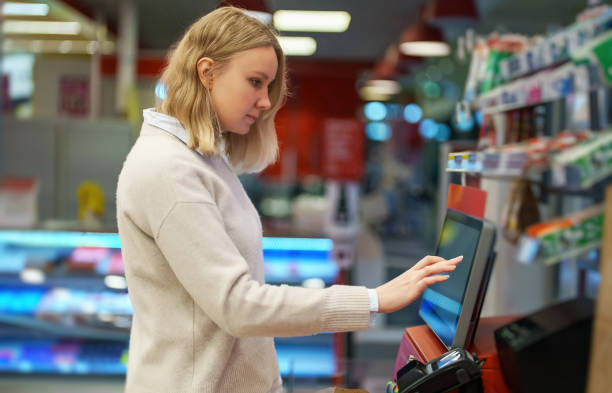
In the B2B world, flexibility is your insurance policy. Comparing these two models reveals a clear trade-off between volume and adaptability. Let's break it down into three key realities.
Here, Unmanned Stores have the upper hand.
Unmanned Stores (Unlimited Variety): You are not limited by slots, coils, or elevator belts. If you want to sell umbrellas when it rains or fresh salads in summer, you just put them on the shelf. You can stock 500-1,000+ SKUs, catering to every customer's need.
Smart Vending (Physics Wins): Even the best machines have physical limits. You are typically limited to 50-60 SKUs that must fit specific dimensions. While smart lockers are solving this, you simply cannot match the sheer inventory depth of a walk-in store.
Think of an unmanned store as a permanent commitment. You sign a 3-year lease. You pay for the renovation. If foot traffic dies six months later? You are in trouble. You can't just "move" the store without losing all that sunk cost.
Smart Vending offers true agility.
A/B Testing: Not sure if that gym lobby is a good spot? Drop a machine there for 3 months. If it doesn't perform, unplug it and move it to a university. Cost? A small moving fee.
Risk Mitigation: Your assets are mobile. You are never trapped in a bad location.
This is the hidden cost that kills profit margins.
Unmanned Stores (Shrinkage Risk): Even with AI cameras, theft happens. In retail, "shrinkage" (theft) can eat up 3-5% of your revenue. Plus, customers create "Shelf Chaos", spilling drinks and messing up displays, which forces you to pay for daily cleaning labor.
Smart Vending (Zero Shrinkage): Products are secured behind glass or steel until paid for. Theft is virtually impossible. Your inventory count is 100% accurate, and the display always looks premium without you lifting a finger.
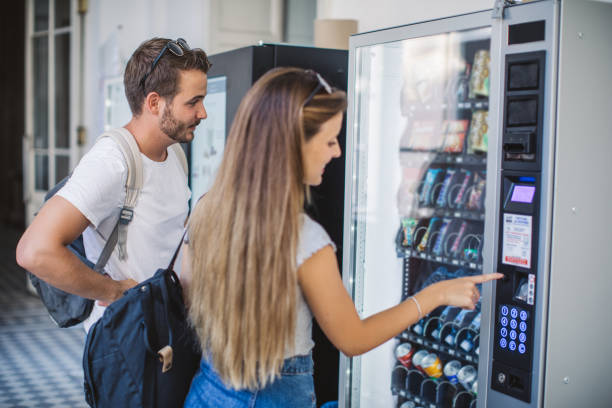
So, back to the core question. Which one is right for you? It comes down to your target environment:
Choose Unmanned Stores If: You have secured a prime, high-density location (like a corporate cafeteria or a massive apartment complex) and you need to replace a full convenience store. The high revenue potential justifies the heavy operational lift.
Choose Smart Vending If: You want to build a scalable, resilient network. If your goal is to dominate a city by covering 50 office buildings rather than managing one mega-store, vending gives you the speed, flexibility, and passive income you’re looking for.
Ready to Start Your Smart Vending Network?
If you decide that smart vending is your path to profitability, the key is choosing hardware that offers high margins and low maintenance.
For a powerful entry point, check out Gobear. As a specialized manufacturer, we move beyond simple snacks to offer high-value phone case vending machines and innovative automatic screen protector machines. These units combine the low footprint of vending with the premium transaction value of a tech store, perfect for operators looking to maximize ROI in 2026.
👉 Partner with us to transform your vending strategy with high-margin, cutting-edge technology today!
Smart Vending. It’s simple math. With a startup cost 5x lower than a store, you typically hit ROI in 12-18 months. Unmanned stores carry such heavy renovation debt that you’re often working for free for the first 3 years.
It’s the silent killer. "Shrinkage" (theft) eats 3-5% of revenue in open-shelf retail. Smart vending? Zero. The product stays locked behind glass until the payment clears. You keep 100% of what you earn.
Vending is 90% passive. Check your app, restock once a week. Done. Unmanned stores are "high maintenance". You are constantly cleaning up spills, organizing messy shelves, and fixing jammed security gates.
Selling cheap soda is dying. Smart automated retail is booming. The money in 2026 isn't in $1 snacks; it's in high-margin niches like electronics, beauty, and accessories—exactly where modern smart machines shine.
Stop thinking "volume" and start thinking "margin." You have to sell 500 sodas to make the same profit as 10 custom phone cases. The secret? High-value merchandise. Swap low-margin snacks for $20+ items like tech accessories. Also, use that touchscreen—sell ad space to local businesses for pure profit.
Tell us about your business goals, and our experts will provide a tailored solution and a detailed profitability report. Let's start building your new revenue stream together.